How to Build a Homebrew System for Craft Beer

How to Build a Homebrew System for Craft Beer
Standard

Introduction to Homebrewing

Homebrewing has grown in popularity as enthusiasts seek to produce their own craft beer from the comfort of their homes. This hobby is not only engaging but also allows for experimentation with various ingredients and methods, providing an opportunity to produce a beer that suits your personal taste. This guide provides essential information on setting up a homebrew system to kickstart your journey in craft beer brewing.

Essential Equipment for Homebrewing

Understanding and acquiring the right equipment is critical to successful homebrewing. Investing in quality gear will enhance your brewing experience and contribute to the production of better beer.

Fermenter: The fermenter is central to the brewing process, serving as the vessel where fermentation occurs. Options include a plastic bucket, a glass carboy, or a stainless-steel conical fermenter. Each type has its advantages. For instance, glass carboys allow for visual monitoring of the fermentation process, while stainless-steel fermenters offer durability and ease of cleaning.

Brew Kettle: The brew kettle is essential for boiling the wort, which is a sweet liquid extracted from the mashing process. This pot should ideally be made of stainless steel for even heat distribution and to prevent unwanted flavors from leaching into the brew. The size of the kettle should align with the volume of beer you plan to make; larger batches require larger kettles.

Hydrometer: A hydrometer is a crucial tool for measuring the specific gravity of your wort before and after fermentation. By tracking these readings, you can monitor fermentation progress and calculate the alcohol content of your finished beer. Mastery of the hydrometer is key for consistent and repeatable brewing results.

Ingredients for Brewing Craft Beer

At the foundation of beer are four primary ingredients: water, malt, hops, and yeast. Each plays a distinct role in the final flavor and quality of the beer.

Water: Given that beer is predominantly water, its quality has a significant impact on the taste. The water should be free from chlorine and other unwanted minerals. Some brewers opt for filtered water, while others may add specific minerals to achieve a water profile similar to those in famous brewing cities known for particular beer styles.

Malt: Malt, most commonly sourced from barley, provides the fermentable sugars needed for fermentation. Different malts, such as those derived from wheat or rye, contribute to diverse flavors, colors, and textures in the beer. Understanding malt varieties can help you tailor your beer to achieve desired characteristics.

Hops: Hops are integral to imparting bitterness, flavor, and aroma to beer. Varieties of hops are abundant, each offering unique flavors ranging from citrus to floral notes. Researching and selecting the right hop varieties allows you to customize your beer’s profile and achieve a balanced flavor.

The Brewing Process

Brewing involves several stages, each requiring attention to detail. These stages form the backbone of a successful brew day and influence the final quality of the beer.

Mashing: This is the stage where malt is combined with hot water, enabling enzymes to convert the starches in the malt into sugars that yeast will later ferment. The mashing process is typically conducted at a temperature range conducive to enzyme activity and lasts between 60 to 90 minutes. Maintaining a consistent temperature is vital for optimal sugar extraction.

Lautering: Following mashing, lautering separates the sweet liquid, known as the wort, from the spent grains. This involves sparging, where the grains are rinsed with hot water to extract additional sugars. Efficiency during this stage ensures maximum sugar extraction, contributing to better fermentation efficacy and alcohol yield.

Boiling: Boiling serves multiple purposes: it sterilizes the wort, removes volatile compounds, and extracts and alters flavors from the hops. A typical boil lasts for about 60 minutes, with hops added at different times to layer flavors and aromas—early additions increase bitterness, while later additions enhance aroma.

Fermentation and Bottling

After boiling, the process enters a critical phase: fermentation. Proper execution of fermentation and bottling leads to a quality final product.

Fermentation: Post-boil, the wort is cooled rapidly and transferred to the fermenter. Yeast is then pitched, marking the beginning of fermentation. This process generally takes one to three weeks, during which yeast consumes sugars, producing alcohol and carbonation. Temperature control during fermentation is essential, as it influences yeast activity and flavor development.

Bottling: Once fermentation is complete, the beer is carefully siphoned into bottles or kegs. Priming sugar is added to each bottle to fuel natural carbonation. This carbonation phase typically lasts one to two weeks in a dark, temperature-stable environment. Proper sanitation and careful handling during bottling prevent contamination and ensure a safe, enjoyable beer.

Conclusion

Embarking on a homebrewing journey involves a measured investment in both equipment and ingredients. As you explore different styles and refine your techniques, you can produce unique beers tailored to your taste preferences. Like any craft, homebrewing requires patience and attention to detail, but the reward is a personalized beer that reflects your skill and creativity. As you continue to practice and experiment, homebrewing can evolve into a deeply satisfying hobby, blending tradition, innovation, and the joy of experimentation.

The Role of Farm Breweries in Craft Beer Innovation

The Role of Farm Breweries in Craft Beer Innovation
Standard

The Role of Farm Breweries in Craft Beer Innovation

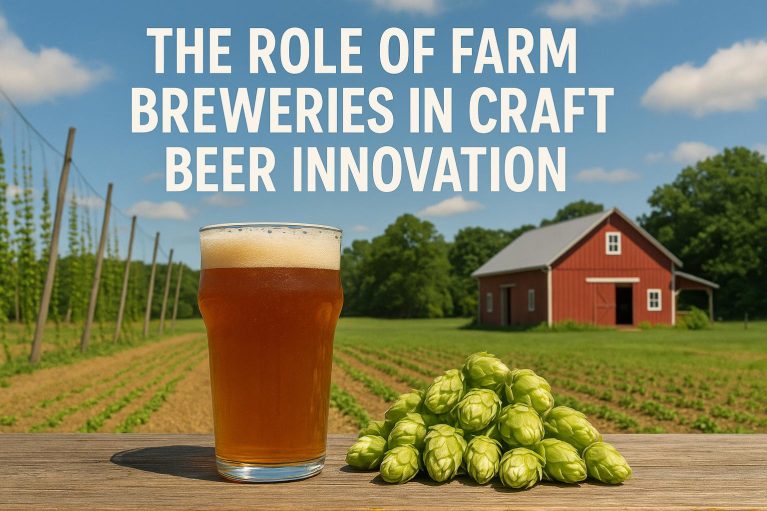
The craft beer industry has experienced substantial growth over the last few years, with farm breweries emerging as a significant force behind this development. These distinctive breweries have introduced a novel approach by integrating agricultural practices directly into the brewing process, thereby redefining what it means to be a craft brewery.

Understanding Farm Breweries

Farm breweries differentiate themselves from traditional breweries in several ways. Primarily, they emphasize the use of ingredients grown on-site or sourced from nearby farms. This local approach has multiple benefits, including the reduction of the carbon footprint usually associated with transporting raw materials over long distances. Additionally, this model fosters a closer connection between brewing and agriculture, offering a more holistic approach to crafting beer.

Innovation Through Local Ingredients

One of the most remarkable contributions of farm breweries to the craft beer industry is their use of locally sourced ingredients. By tapping into native hops, grains, and various botanicals, these breweries manage to create unique flavors that are deeply rooted in their specific geographical locations. This approach allows them to experiment and innovate in ways that often elude larger commercial breweries due to the latter’s broader and less flexible supply chains.

Brewing with Terroir

At the heart of farm brewing is the concept of terroir. This term describes the environmental conditions, including soil and climate, where hops and grains are cultivated and how these factors impact the flavor profile of beer. Farm breweries adeptly leverage their specific environmental characteristics, crafting beers that are truly region-specific and offering consumers a genuine taste of their local landscape.

The terroir-based approach provides a competitive edge by offering exclusive and distinctive flavors that can’t be replicated elsewhere, further fueling the innovation inherent in the craft beer scene.

Sustainability and Environmental Impact

Sustainability stands as a core tenet of farm breweries. By engaging in the cultivation of their ingredients and implementing eco-friendly farming practices, these breweries minimize their environmental footprint. Many adopt organic methods and incorporate renewable energy sources, along with water conservation techniques, all of which contribute to a more sustainable brewing process.

Eco-Friendly Practices

Eco-friendly farming practices in farm breweries very often extend to the use of composting, crop rotation, and the prevention of chemical run-off into local water systems. Renewable energy sources like solar panels or wind turbines are frequently harnessed to power the brewing operations, and rainwater harvesting is employed to offset the consumption of freshwater resources. These practices underline a commitment to creating a more sustainable, environmentally responsible product and business model.

Community Engagement and Economic Benefits

Farm breweries frequently double as community centers, drawing in locals and visitors alike. Beyond being mere tastings venues, they often offer educational tours and workshops that delve into the intricacies of brewing and farming. This engagement nurtures a strong sense of community and reinforces support for local agriculture.

Economic Advantages

Economically, farm breweries make significant contributions to their local settings. By creating jobs in often rural areas, they help stimulate local economies. Additionally, collaborations with nearby farms for ingredient sourcing support local agriculture and play a part in preserving rural landscapes. The draw of a unique brewery experience also brings tourism, further enhancing economic benefits in the region.

Challenges Faced by Farm Breweries

Despite their contributions to craft beer innovation, farm breweries face several obstacles. Scalability appears as a primary issue because reliance on locally sourced ingredients can restrict production capacity. Moreover, adhering to agricultural regulations and dealing with the inherent unpredictability of farming—such as weather and seasonal changes—pose operational hurdles.

Regulatory and Operational Hurdles

The challenges tied to regulatory compliance can be complex, given the intersection of agriculture and brewing laws. Farm breweries often need to navigate a maze of local, regional, and national regulations concerning both the production and sale of alcohol, as well as agricultural practices. Furthermore, operational challenges can arise from fluctuating crop yields or pest issues, requiring strategic planning and adaptability to maintain consistent production levels.

The Future of Farm Breweries in Craft Beer

With consumers showing an increasing preference for sustainable and locally sourced products, farm breweries are poised to remain innovators in the craft beer landscape. Their unwavering commitment to quality, sustainability, and community engagement ensures that they will continue to play a vital role in shaping the future of the craft beer industry.

The forward-looking path of farm breweries points towards an alignment with technological innovations that could further enhance their farming practices and beer production. Developments in precision agriculture, enhanced resource management tools, and renewable energy technologies could complement their existing frameworks and bolster their mission to innovate sustainably in craft beer production.

For more detailed insights into how farm breweries are transforming the craft beer industry, you might consider exploring additional resources to deepen your understanding of their pivotal role.

The Art of Craft Beer Label Design and Branding

The Art of Craft Beer Label Design and Branding
Standard

The Evolution of Craft Beer Label Design

The craft beer industry has experienced significant growth over the past few decades, leading to an increased focus on creative and distinctive label design. Craft beer labels are not merely about aesthetics; they play a crucial role in branding and market differentiation. The shift from traditional beer packaging to more artistic label design reflects broader changes in consumer preferences and market dynamics.

The Importance of Branding in the Craft Beer Industry

In the highly competitive world of craft beer, branding becomes a cornerstone of success. With thousands of breweries operating globally, creating a unique and memorable brand identity can significantly impact a brewery’s success. The label serves as an introductory handshake between the consumer and the product. It communicates the brand’s ethos, origin, and flavor profile, often influencing the consumer’s purchasing decision.

Elements of a Successful Craft Beer Label

A compelling craft beer label combines several elements that together create a cohesive and attractive package:

Design and Artwork: Visual appeal is paramount. Many breweries collaborate with local artists to develop innovative and eye-catching designs that reflect the beer’s character and the brewery’s personality. This collaboration often results in labels that capture the imagination and intrigue of potential customers.

Typography: The choice of font can convey various messages about the beer’s style and the brewery’s image. Fonts need to be legible at a glance yet in harmony with the overall design. A carefully chosen typeface can suggest traditional craftsmanship or modern innovation, guiding the consumer’s perception from the first glance.

Color Schemes: Colors can signify the beer’s flavor profile or ingredients. A thoughtfully chosen palette distinguishes the product and remains true to branding guidelines. The strategic use of color can evoke certain emotions or associations, creating a sensory connection even before a single drop of beer is tasted.

Legal and Informational Text: Labels must comply with local regulations, including alcohol content, health warnings, and ingredient lists. Clear and concise information is essential. Balancing the need for regulatory compliance with the desire for artistic expression can be challenging but necessary for both transparency and consumer trust.

Trends in Craft Beer Label Design

Craft beer label design trends are constantly evolving, reflecting changes in consumer tastes and cultural trends. Some current trends include:

Minimalism: Clean and straightforward designs using negative space to make essential details pop. This trend prioritizes simplicity and can make a brand appear more accessible and modern.

Illustration: The use of hand-drawn or digital illustrations adds a personal touch, often resulting in unique labels that stand out on shelves. Illustrative designs can tell stories or depict whimsical, eye-catching scenes that engage consumers.

Storytelling: Incorporating local history or myths into label designs helps breweries connect deeply with their local communities. A narrative approach to label design can create an emotional bond between the product and the consumer, fostering a sense of loyalty and heritage.

The Role of Technology in Beer Labeling

Advancements in printing technology have made it possible for breweries to experiment with texture and special finishes, such as embossing or metallic inks. QR codes and augmented reality (AR) are also being integrated into labels, allowing consumers to access digital content and interactive experiences related to the beer, enhancing customer engagement and brand loyalty.

The integration of technology into label design opens up new possibilities for customer interaction. By scanning a QR code, consumers can discover the brewing process, the story behind the brewery, or even enjoy a virtual tasting experience. Such innovations not only make the beer-drinking experience more engaging but also reinforce the brand’s contemporary and interactive identity.

Case Studies: Innovative Craft Beer Labels

Several breweries have distinguished themselves through innovative label designs.

BrewDog: Known for its rebellious imagery, BrewDog often uses bold graphics to reflect its unconventional brand values. Their label designs tend to challenge traditional norms, appealing to customers who identify with the brand’s subversive and daring spirit.

The Alchemist: With intricate labels designed by artist Dan Blakeslee, The Alchemist tells visual stories that impart a sense of mystery and artisan craftsmanship. Each label is a journey, inviting consumers to explore and unravel the narrative through detailed and evocative visuals.

Conclusion

The art of craft beer label design is integral to the modern beer industry, balancing creativity with strategic branding. As the market continues to expand, breweries that invest in thoughtful and forward-thinking label designs are more likely to capture the imagination and loyalty of consumers. In an era where customer experience and brand interaction are key, a well-designed label is more than just a wrapper—it’s an invitation to engage with the story behind the beer.

For those interested in learning more about effective branding strategies, resources such as Craft Beer and Brewing offer additional insights into this dynamic field.

The Best Craft Beer Cities to Visit in the U.S.

The Best Craft Beer Cities to Visit in the U.S.
Standard

Exploring Craft Beer Culture: Top Cities in the U.S.

The craft beer scene in the United States has experienced remarkable growth over recent decades. This burgeoning industry has established the U.S. as a leading destination for beer aficionados worldwide. Whether you’re a seasoned connoisseur or someone who enjoys a casual pint, these cities offer a robust and diverse array of craft beer experiences. From innovative breweries to lively beer festivals, and strong local community ties, the culture of craft beer spans far and wide in these noteworthy cities.

Portland, Oregon

Dubbed “Beervana,” Portland is perhaps one of the most concentration-rich cities for craft beer globally, housing over 70 breweries. This characteristic solidifies its reputation within the world of craft beer enthusiasts. The city’s devotion to sustainability and the use of local produce reflect in the innovative beers produced here. Noteworthy breweries, such as Deschutes Brewery and Hair of the Dog Brewing Company, provide visitors with a taste of Portland’s creativity and skill in brewing.

Things to See and Do

Besides the brewery tours and tastings, Portland has much more to offer to its visitors. The city’s vibrant arts scene is as diverse as its beer selection. Take some time to explore attractions such as the renowned Washington Park and appreciate the extensive collection at the Portland Art Museum. Additionally, Portland’s lush parks provide a serene environment for those looking to unwind after a day of indulgence.

San Diego, California

Known for its signature innovation in hoppy beers, especially India Pale Ales (IPAs), San Diego has seen exponential growth in its craft beer industry. Currently home to over 150 breweries, the city’s beer scene continues to flourish and evolve. Iconic breweries such as Stone Brewing in Escondido are acclaimed for their innovative and robust flavors, while Ballast Point Brewing Company garners fame with beers like their renowned Sculpin IPA.

Local Attractions

San Diego’s natural and cultural attractions complement its craft beer offerings. The picturesque La Jolla Cove is a must-visit for beach lovers, presenting a beautiful setting for relaxation. History enthusiasts may prefer exploring Balboa Park, a historic locale enriched with museums, expansive gardens, and the iconic San Diego Zoo. With its mix of scenic beaches and urban culture, San Diego serves as an exemplary location for craft beer enthusiasts and tourists alike.

Denver, Colorado

Often referred to as the “Napa Valley of Beer,” Denver holds an esteemed position in the craft beer world. Home to the annual Great American Beer Festival, the city presents an extensive selection of styles and flavors from a host of breweries. Brands like Avery Brewing Co. and Great Divide Brewing Company are emblematic of Denver’s diverse and vibrant brewing landscape.

Explore the Mile-High City

Denver’s allure extends beyond its famed breweries. The city’s attractions offer tourists rich and engaging experiences. The Denver Art Museum houses an impressive collection of artifacts and artwork that captivates visitors. Meanwhile, the Denver Botanic Gardens provide a tranquil escape amidst varied plant species and themed landscapes. Additionally, Denver’s proximity to the Rocky Mountains offers plentiful opportunities for outdoor activities, making it an attractive destination for those who appreciate both culture and nature.

Asheville, North Carolina

Asheville’s craft beer culture is renowned for its artisanal prowess, with more breweries per capita than any other U.S. city. This dedication to craft beer innovation makes it a prominent hub in the industry. Standouts like Sierra Nevada Brewing Co.’s East Coast facility and the unconventional offerings at Wicked Weed Brewing attract visitors from all over.

Sightseeing and Activities

Beyond its brewing notoriety, Asheville is a city rich in historical and natural marvels. The majestic Biltmore Estate provides a glimpse into the area’s history and opulent architecture. Equally enticing is a leisurely drive on the Blue Ridge Parkway, known for its breathtaking views and scenic landscapes. This synergy of history, nature, and artisanal beer creates a unique experience for all who visit Asheville.

Grand Rapids, Michigan

Well-known as “Beer City USA,” Grand Rapids combines a storied history with a lively and expanding brewing scene. Potential visitors looking to explore unique offerings will find authentic expressions of Michigan’s craft culture at places like Founders Brewing Co. and Brewery Vivant.

Experience More

In Grand Rapids, beer is just one aspect of the cultural immersion available. The city is also known for its strong commitment to art and music, with attractions such as the Frederik Meijer Gardens & Sculpture Park offering expansive grounds featuring creative art installations. The ArtPrize event further illustrates the dynamic art community present in the city, making Grand Rapids a cultural nexus for visitors.

In each of these cities, the craft beer experience is intricately intertwined with the local culture and recreational landscapes. Whether indulging in innovative brewing methods, engaging in cultural events, or simply taking in breathtaking natural sceneries, these cities invite enthusiasts to fully immerse themselves in America’s vibrant craft beer culture.

The Influence of German Brewing Traditions on Craft Beer

The Influence of German Brewing Traditions on Craft Beer
Standard

The Origins of German Brewing Traditions

German brewing traditions have profoundly influenced the global beer industry, particularly as craft beer gains popularity worldwide. The story of German brewing can be traced back to the Middle Ages, a period that significantly shaped the brewing techniques and styles that emerged from the region. At the heart of this tradition is the Reinheitsgebot, or the Beer Purity Law of 1516. This regulation, one of the earliest food safety regulations known in the world, stipulated that only three ingredients—water, barley, and hops—could be used to brew beer. The stringent purity standards established by the Reinheitsgebot not only ensured a high quality for German beers but also helped define the distinct flavors and styles of German brews that are recognized globally today.

Key Characteristics of German Brews

German beers are known for their strong adherence to traditional brewing methods and the use of high-quality ingredients. This dedication to tradition is evident in some of the most popular beer styles that have originated from Germany, including Lager, Pilsner, and Weissbier (wheat beer).

Lager, a type of beer that ferments at lower temperatures, is celebrated for its clean and crisp flavor profile. This lower fermentation temperature results in a smooth and refreshing beer that has broad appeal. The Pilsner, a specific type of pale lager that originated in the city of Pilsen, is distinguished by its golden color and pronounced hop bitterness. This style’s balanced complexity has made it a favorite worldwide. Another popular German beer style is Weissbier, primarily made from wheat. It is famous for its cloudy appearance and spicy, fruity notes, offering a distinct alternative to other more conventional beer styles.

Influence on Craft Beer

The craft beer movement, which values diversity and creativity in brewing, owes a considerable debt to these German brewing traditions. Brewers worldwide have adopted and adapted these long-established German methods, leading to the creation of unique and varied beer offerings. The focus on quality ingredients and meticulous brewing processes inherent in German brewing is mirrored in the practices of many modern craft breweries.

Craft brewers often experiment with traditional German styles, sometimes introducing innovative twists to classical recipes. For instance, brewers in the United States may craft a Hefeweizen infused with additional fruit flavors, thereby adding a new dimension to the traditional wheat beer. Similarly, an India Pale Lager might be created to combine the hop-forward profiles typical of an IPA with the clean and crisp characteristics of lager.

Education and Innovation

International interest in German brewing techniques has ignited increased educational exchanges and collaborations. Many aspiring brewers from all corners of the globe travel to Germany to study its brewing methodologies. These aspiring brewers often enroll in well-regarded institutions such as the Doemens Academy and VLB Berlin. These schools offer an education that encompasses both traditional methods and innovative approaches, encouraging brewers to respect tradition while also pushing the boundaries of what beer can be.

The dynamic interaction between German brewing traditions and modern craft beer practices is most evident during festivals and competitions. Events such as the Oktoberfest and the Great American Beer Festival celebrate both traditional and contemporary beer styles, fostering a cultural exchange that enriches the global beer landscape and allows for an open dialogue between old and new practices.

Preserving Tradition in Modern Times

As the craft beer movement continues to grow and evolve, the respect for traditional German brewing methods remains a constant influence. Beers that adhere to the stringent requirements of the Reinheitsgebot are still highly regarded. Many craft brewers strive to honor these historical traditions even as they experiment with new flavors and techniques. These German brewing practices continue to serve as a cornerstone of global beer culture, ensuring the sustained influence of German brewing on the industry.

Moving forward, it is likely that the craft beer movement will continue to respect and draw inspiration from German brewing traditions. The balance between tradition and innovation remains an enriching factor in beer culture, promising new and exciting experiences for enthusiasts around the world. Whether it is a traditional German brew or a new craft creation inspired by time-honored methods, the influence of German brewing is profound and ongoing.

Conclusion

In conclusion, German brewing traditions have left an indelible mark on the global beer industry. The roots of these practices can be traced back to the Middle Ages and are epitomized by the Beer Purity Law of 1516, which set the stage for the distinct styles and flavors of German beer. These traditions have significantly shaped the craft beer movement, encouraging brewers worldwide to adopt high-quality brewing practices and respect traditional methods while simultaneously fostering a spirit of innovation.

Educational exchanges and collaborations between brewers continue to emphasize the importance of adhering to quality and tradition while exploring new possibilities. Festivals and competitions that celebrate both traditional and contemporary styles demonstrate the lasting influence of German brewing traditions and their contribution to the vibrant and diverse beer culture we enjoy today. As the beer industry evolves, the enduring legacy of German brewing will undoubtedly continue to inspire future generations of brewers and beer enthusiasts worldwide.

How the Craft Beer Industry is Adapting to Changing Consumer Preferences

How the Craft Beer Industry is Adapting to Changing Consumer Preferences
Standard

The Evolving Craft Beer Landscape

The craft beer industry is in the midst of a remarkable transformation driven by the ever-changing preferences of consumers. This dynamic environment is characterized by a shift towards diverse flavors, sustainable practices, and innovative brewing techniques. Over the past decade, craft beer enthusiasts have steadily sought more varied experiences in terms of taste, production, and authenticity. As a result, craft breweries are continually adapting their offerings and operations to meet these evolving demands.

Diversification of Flavor Profiles

In recent years, the demand for diverse flavor profiles has become a defining trend in the craft beer industry. Gone are the days when traditional styles sufficed for beer enthusiasts. Consumers now crave new and exciting flavors that can elevate their beer-drinking experience. This has prompted breweries to experiment with a wide spectrum of ingredients. From the infusion of exotic fruits like passionfruit, mango, and pomegranate to the inclusion of unique spices such as cardamom and ginger, brewers are crafting beers that stand out in an increasingly crowded market.

These creative ventures have resulted in the proliferation of new beer styles. Fruit-infused IPAs, for instance, exemplify how additional flavors can be layered onto the classic bitterness of traditional IPAs. Similarly, sour ales have gained popularity, with brewers tweaking acidity levels and introducing unexpected flavors to surprise the palate. Another noteworthy innovation is barrel-aged beers where maturation in different types of barrels, ranging from whiskey barrels to wine barrels, imbues beers with complex flavors that mirror the spirits previously housed in these barrels.

Craft breweries are thus pushing the envelope, aiming for novelty while maintaining a high standard of quality. This experimentation not only captivates a more adventurous audience but also broadens the appeal of craft beers to those who were not traditionally beer drinkers.

Emphasis on Sustainability

As awareness around environmental issues intensifies, sustainability has emerged as a critical consideration for many consumers, including those in the craft beer marketplace. Recognizing this trend, breweries have been establishing and enhancing their sustainability efforts, committing to reducing their ecological impact.

Water conservation has become a key focus area. Craft brewers are initiating measures to minimize water usage, given that water remains the primary ingredient in beer brewing. Techniques such as reusing rinse water in cleaning processes and optimizing water-to-beer ratios help reduce wastage. Beyond water conservation, recycling ingredients has also taken center stage. For example, spent grains have been effectively repurposed as animal feed or used for creating baked goods. This utilization not only lessens waste but also encourages community partnerships.

Packaging is yet another domain where sustainability initiatives are ongoing. Many breweries are transitioning to recyclable or biodegradable materials and employing lightweight cans that reduce transportation emissions. Some have even turned to innovative packaging solutions, such as edible six-pack rings that can safely degrade in the environment.

Aiding these efforts further, local sourcing of ingredients has grown more prevalent. By focusing on regional suppliers, breweries are not only minimizing their carbon footprint, but they are also supporting local economies and achieving greater authenticity in their products. This symbiotic relationship between brewers and local producers underscores the interconnectedness of sustainability and community within the craft beer landscape.

Innovative Brewing Techniques

The art of brewing has always been accompanied by science, and nowhere is this more evident than in the incorporation of innovative brewing techniques. Technological advancements have bestowed craft breweries with the tools to innovate and fine-tune their processes, resulting in superior beers that captivate the senses.

One such technique is cryo-hopping, which involves using cryogenically frozen hops to enhance the intensity of hop flavors and aromas in beer. This process allows brewers to extract essential oils without introducing vegetal matter to the brew, leading to smoother and more potent hop characteristics.

Similarly, spontaneous fermentation has gained traction as a method to produce unique and complex beers. By allowing wild, ambient yeast to ferment the beer naturally, brewers create beers that are deeply expressive of their local environment, akin to the concept of terroir in wine.

These advanced techniques are instrumental in catering to sophisticated taste profiles while simultaneously offering increased production efficiency. Moreover, they grant breweries the ability to differentiate themselves in a competitive market, attracting discerning consumers who appreciate both quality and creativity.

Community Engagement and Collaboration

Community and collaboration lie at the heart of the craft beer ethos. Breweries are increasingly adopting strategies to fortify their connections with their communities and engage local consumers in meaningful ways.

Hosting events such as tastings, festivals, and charity fundraisers allows breweries to foster relationships and create memorable experiences for patrons. Additionally, offering brewery tours provides transparency and educates the public about brewing processes, enhancing their appreciation of craft beer.

Collaboration with other local businesses and craftsmen further strengthens communal bonds. Joint ventures may include creating specialty brews in partnership with local coffee roasters, chocolatiers, or farms. These collaborations not only result in inventive products that highlight local flavors but also foster mutual support and shared growth.

Such community-focused initiatives nurture a strong sense of loyalty among consumers, who perceive these breweries as integral components of their local culture. Furthermore, it allows breweries to tailor their products and experiences to reflect local tastes and values, ensuring long-term relevance and success.

The Rise of Non-Alcoholic Craft Beers

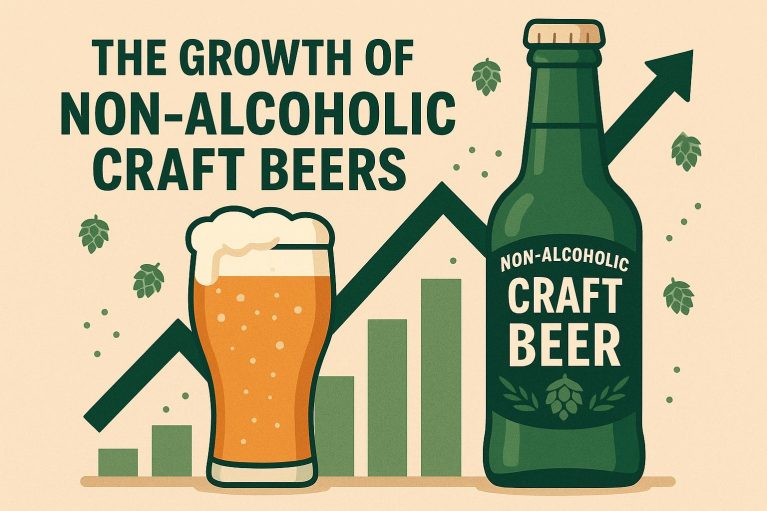
In line with the broader trend towards healthier lifestyle choices, the demand for non-alcoholic craft beers is on the rise. A growing number of consumers are choosing to reduce their alcohol intake for health, wellness, or personal reasons. Craft breweries are responding by innovating in the realm of non-alcoholic beer without sacrificing the flavor complexity typical of traditional craft beers.

Developing non-alcoholic options involves meticulous techniques to preserve the flavor profile and quality that craft beer drinkers expect. Methods such as controlled fermentation and vacuum distillation are employed to ensure that these beers retain the character and nuance of their alcoholic counterparts.

This emerging category not only appeals to those seeking moderated consumption but also broadens the audience for craft breweries by including individuals who previously abstained from alcohol altogether. By offering non-alcoholic selections, craft breweries demonstrate a commitment to inclusivity and adaptability, meeting diverse consumer needs while upholding the tenet of quality.

As the craft beer industry continues to evolve, showcasing a commitment to innovation, sustainability, and community will be key. By embracing these trends and adapting to the nuances of consumer preference, craft breweries are poised to thrive in a landscape defined by constant change and opportunity.

The Role of Sustainability in Craft Beer Brewing

The Role of Sustainability in Craft Beer Brewing
Standard

The Importance of Sustainability in Craft Beer Brewing

Craft beer brewing has experienced immense growth over recent decades, evolving from a niche market into a significant sector within the broader beverage industry. This expansion has brought about an increased spotlight on the environmental, economic, and social impacts associated with brewing. As craft breweries proliferate, the need for sustainable practices has become more pressing. These smaller, independent breweries are uniquely positioned to pioneer sustainable innovations due to their inventive spirit and a community-centric approach.

Environmental Impact of Brewing

Brewing beer is inherently resource-intensive. It requires substantial quantities of water and energy and generates appreciable amounts of waste. Each of these elements contributes to the environmental footprint of the brewing process. Thankfully, many craft brewers are beginning to recognize these issues, embracing strategies that effectively mitigate their impact on the environment.

Water Conservation

Water stands as a foundational component in beer production, yet its use extends beyond just an ingredient; it is essential throughout various brewing stages, including cleaning and cooling. Typically, producing one barrel of beer can require up to seven barrels of water. Tackling this significant consumption, progressive craft brewers are investing in technologies and systems designed to curb their water usage. For example, wastewater treatment systems enable breweries to recycle water used in processes such as cleaning, thereby enhancing water conservation and contributing to sustainability goals. Through the adoption of these technologies, breweries reduce their environmental impact, as they can significantly lower water consumption and also realize substantial cost savings.

Energy Efficiency

The production of beer mandates considerable energy, mainly due to the heating required during brewing and subsequent cooling during fermentation. To address these energy demands sustainably, many breweries are transitioning towards renewable energy sources. The uptake of solar and wind power has been considerable, providing clean alternatives to conventional energy. Moreover, breweries are increasingly employing high-efficiency brewing systems, which optimize energy usage and reduce waste. These measures not only foster environmental stewardship but also lower operational costs over time.

Waste Management

Brewing yields various types of waste, notably spent grains and yeast. In the pursuit of zero-waste brewing, several craft brewers are exploring innovative methods to repurpose these by-products. For instance, spent grains can be transformed into nutritious animal feed or composted for agricultural application, thus returning valuable nutrients to the soil. Collaborations with local businesses have also emerged as a strategy for waste reutilization, aiming to create value-added products from these residual materials. By transforming waste into a resource, breweries not only minimize their waste production but also catalyze local economic development.

Economic and Social Benefits

Sustainability transcends environmental considerations, extending its value to encompass both economic and social dimensions. Implementing sustainable practices can yield substantial economic benefits for breweries. Streamlined operations through efficient resource utilization translate into cost reductions, enhancing the profitability of these businesses. Investing in sustainable technologies enables breweries to decrease energy and water bills and improve overall financial performance.

Socially, craft breweries hold a special place within their communities. They provide employment opportunities, often contributing to local economic revitalization, and actively engage in community-supported agriculture by sourcing local ingredients such as hops and barley. This local engagement strengthens their ties with the community, enhancing brand loyalty and aligning with the values of customers who prioritize environmental stewardship and social responsibility.

Challenges and Future Directions

Despite the promising benefits linked to sustainability, challenges persist. The financial burden associated with the initial investment in sustainable technologies can be considerable, posing a significant hurdle for smaller breweries with limited capital resources. Nonetheless, as the landscape evolves, technological advancements and increasing availability of funding options are beginning to ease these challenges.

Looking ahead, the craft beer industry is poised to witness enhanced collaboration across sectors. Breweries are expected to form alliances with suppliers, environmental organizations, and fellow brewers to exchange best practices and drive shared innovations. Such cooperation will enable the proliferation of sustainable practices throughout the industry, fostering a cohesive approach to environmental challenges.

In summary, embedding sustainability within craft beer brewing is increasingly important as the industry matures. By adopting environmentally friendly methods, breweries can considerably diminish their ecological footprint while simultaneously unlocking economic and social advantages. The inherent innovative spirit of craft brewers, alongside their community-focused nature, uniquely positions them to champion this transformative journey toward a more sustainable future.

The Growth of Sour Beers in the Craft Beer Market

The Growth of Sour Beers in the Craft Beer Market
Standard

The Rise of Sour Beers in the Craft Beer Market

The craft beer market has undergone a remarkable transformation in recent years. One of the most notable trends within this transformation is the rise in popularity of sour beers. These beers, known for their distinct tart and tangy flavors, have found a devoted fan base among a diverse group of beer enthusiasts. This article will delve into the intricacies of sour beers, exploring their origins, different types, reasons for their growing popularity, and the impact on the brewing industry.

What are Sour Beers?

Sour beers are defined primarily by their unique acidic taste, which is a distinct departure from the taste profiles of more traditional beers. This distinctive taste is primarily achieved through specialized fermentation processes that involve wild bacteria and yeast. Notable bacteria that play a crucial role in this process include Lactobacillus and Pediococcus. Additionally, the yeast Brettanomyces is often employed to cultivate the iconic sour flavor profile that sour beers are known for. The origins of these beers can be traced back to Belgium, a region renowned for its rich brewing traditions where these traditional methods have been meticulously practiced and preserved over the centuries.

Types of Sour Beers

The world of sour beers is rich and diverse, with several distinct styles each offering unique characteristics and taste experiences. Among the most popular styles are Lambic, Berliner Weisse, Gose, and American Wild Ale. Each of these styles is crafted using different techniques and ingredients, resulting in a wide array of flavors and aromas that appeal to a broad range of palates. For instance, Lambic is often fruit-infused and aged, whereas Gose is typically brewed with coriander and salt, lending it a savory twist.

Why Sour Beers are Gaining Popularity

The growing popularity of sour beers in the craft beer market can be attributed to several compelling factors:

Diverse Flavors: Sour beers provide a unique and refreshing taste experience that sets them apart from conventional beer offerings. Their complexities are notable, often featuring layers of fruitiness, spicy nuances, and earthy undertones that draw in curious tasters.

Craftsmanship and Tradition: The art of brewing sour beers frequently involves employing traditional methods and allowing for extended fermentation periods. This meticulous craftsmanship appeals to consumers who value the history and dedication poured into these beverages.

Food Pairing and Gastronomy: The complex acidity of sour beers makes them versatile candidates for food pairing, as their flavors can both complement and contrast the notes present in various dishes. This feature adds to their allure among gastronomy enthusiasts looking to elevate dining experiences.

Market Trends and Consumer Preferences

The surging interest in sour beers not only exemplifies the ongoing expansion of the craft beer market, but also mirrors broader consumer trends that prioritize novelty and artisanal quality. Current market analyses highlight a growing demand for sour beers, as more breweries venture into experimenting with these distinctive brews. The craft beer community has eagerly embraced the flavor diversity offered by sour beers, making them a staple in various brewery lineups across the globe.

Breweries Embrace Sour Beers

In response to the rising demand, an increasing number of breweries have broadened their offerings to include sour beers as part of their core portfolios. Some have even taken the step of specializing exclusively in sour beer production, adopting innovative brewing techniques that allow them to maintain a competitive edge in a crowded market. This experimentation often results in intriguing and bold new flavors that capture the attention of adventurous consumers.

Challenges and Considerations

Despite their growing popularity, the production of sour beers is accompanied by certain challenges. The brewing process is often more intricate and time-consuming compared to standard beers. It necessitates careful management of the brewing environment to prevent unwanted contamination. Furthermore, the distinctive taste of sour beers, while admired by enthusiasts, might not cater to every palate, which could potentially limit their consumer base.

Conclusion

The increasing prominence of sour beers within the craft beer market presents an exciting frontier that reflects the evolving tastes and interests of consumers. As more breweries invest both time and resources into mastering the art of sour beer production, it is highly probable that this trend will continue its upward trajectory, providing even more choices and innovations for beer lovers to explore and enjoy. For those interested in delving deeper into the dynamic landscape of the craft beer industry, esteemed industry resources such as the Brewer’s Association and Craft Beer & Brewing Magazine offer extensive insights and updates. The continued growth and evolution of sour beers is unquestionably an aspect worth watching as the craft beer market moves forward.

The Role of Women in the Craft Beer Industry

The Role of Women in the Craft Beer Industry
Standard

The Historical Context of Women in Brewing

The involvement of women in brewing has a deep-rooted historical context that stretches back through centuries and across cultures. Brewing, in its early days, was predominantly a domestic activity. In ancient societies, brewing beer was much akin to other culinary tasks traditionally managed by women, such as cooking and baking. Evidence suggests that in medieval Europe, brewing was primarily considered a household responsibility. As a result, women were often the brewers of the home, controlling both the production and sale of the beer. Hence, brewing was not just a hobby but a significant domestic chore around which many community and economic activities revolved.

In medieval times, beer was a staple part of the diet, consumed by people of all ages due to its nutritional content and safety, as boiling during brewing killed harmful pathogens. During this period, alewives or brewsters, the terms used for women brewers, were common figures within communities, often recognizable by a broomstick sign used to mark that beer was available for sale. This period was one of significant involvement for women in brewing, but such prominence would experience a gradual decline as society advanced.

As brewing evolved from a domestic craft into a more commercialized industry, a shift towards male dominance became evident. The changes began as brewing transitioned from being a home-based task to a trade and business dominated by those with the capital to engage in larger production ventures. This transition was notably driven by the economic and social changes accompanying urban development and market economies. The shift became further pronounced during the Industrial Revolution, a period characterized by rapid industrialization and technological advancement. Brewing transformed into large-scale production, requiring more significant capital investment, which was primarily controlled by men at the time. This shift marked a crucial turning point where female brewers slowly but invariably phased out from leadership positions within the industry.

Modern-Day Involvement of Women

In recent years, there has been a significant rekindling of women’s roles within the brewing industry, particularly in the rapidly growing craft beer industry. Women are establishing influential positions and making their mark as they reengage with one of humankind’s oldest crafts. The resurgence of female presence in brewing indicates a shift toward rectifying historical imbalances and encouraging diversity within the industry.

Women are taking on a myriad of roles, ranging from owners and operators to brewmasters, business strategists, and educators. This involvement is reshaping the industry landscape, challenging and changing outdated stereotypes, and driving toward a more inclusive environment. Women in brewing bring different perspectives and innovative approaches that continue to contribute to the overall dynamism within the craft beer community.

Women-Owned Breweries

The rise in women-owned breweries marks a significant trend within the contemporary craft beer sector. These establishments not only add to the diversity in beer styles and flavors but also contribute to fostering inclusive work environments. Many women-owned breweries are led by strong voices that prioritize community and cultural involvement, infusing their operations with visions that are sometimes absent in more traditionally-run enterprises. Ownership provides women with the platform to directly influence and dictate the course of industry practices. By molding their operations around values like sustainability, community engagement, and diversity, women-owned breweries contribute significantly to the brewing industry’s evolution.

Female Brewmasters

The position of brewmaster is central to the identity of any brewery. It is a role that requires ingenuity, technical expertise, and an acute palate to produce exceptional beer. An increasing number of women are stepping into this pivotal role, earning acclaim for their skill, creativity, and leadership. These female brewmasters are pioneers in the field, gaining recognition for their contribution to the complex, varied tapestry of craft beer. Their involvement debunks myths surrounding gender-specific roles, providing aspiring women brewers with role models who exemplify success through passion and dedication.

Education and Advocacy

A crucial aspect of the modern resurgence of women in brewing is their participation in education and advocacy within the sector. Many women actively engage in or lead organizations that promote diversity, equality, and knowledge-sharing. For instance, the Pink Boots Society is a notable organization that provides essential networking opportunities, resources, and support for women pursuing careers in brewing. These organizations advocate for a more inclusive industry, helping women break barriers and access traditionally male-dominated spaces. They play an instrumental role in mentoring and empowering the next generation of female brewers.

Challenges and Barriers

Despite the considerable progress witnessed in recent times, women in the craft beer industry continue to encounter challenges. Gender-based discrimination, stereotypes, and underrepresentation in senior roles persist as obstacles that must be navigated. These barriers underscore a broader need for ongoing advocacy, awareness, and action to promote equality and fairness. Addressing these challenges is not just vital for gender equity, but also crucial for driving the entire industry’s growth by tapping into diverse talents and viewpoints.

The Importance of Diversity

Diversity within the craft beer industry extends its benefits beyond mere equality to encompass creativity and innovation. A diverse workforce introduces a variety of perspectives, which can lead to a broader spectrum of ideas, tastes, and styles. Such diversity has the potential to attract a wider audience and consumers from multiple demographic backgrounds, thus enlarging the market. By demonstrating a commitment to inclusivity, the craft beer industry can set a powerful example for other sectors, showcasing how gender parity and cultural diversity can drive forward progress and prosperity.

Looking Forward

The trajectory for women in the craft beer industry is on a promising uptrend, bringing with it immense potential for the sector’s future. As women continue to surmount existing barriers and engrain themselves within all levels of the industry, the projection for craft beer becomes increasingly vibrant and varied. Through continuous support, advocacy, and systemic change, the hope is for an industry landscape where anyone, regardless of gender, can fully contribute and thrive. The evolution toward such inclusivity will not only enrich the craft beer industry but will also reflect a broader societal trend towards embracing diversity in all its forms.

The History of Homebrewing and Its Impact on Craft Beer

The History of Homebrewing and Its Impact on Craft Beer
Standard

The Origins of Homebrewing

The practice of homebrewing is an ancient art, steeped in history, that dates back thousands of years. Archaeological evidence indicates that ancient civilizations such as the Mesopotamians and Egyptians were some of the first to ferment grains, resulting in rudimentary forms of beer and other alcoholic beverages. For these early societies, fermentation was not only a method to create beverages but also a vital process of food preservation and a component of religious ceremonies and social gatherings. Over centuries, as humankind transitioned from nomadic lifestyle to settled agricultural communities, homebrewing became an integrated part of daily life.

This tradition of fermenting grains perpetuated through various cultures across millennia, and by the time of the colonial era in America, homebrewing had established a firm foothold. In those days, the settlers often brewed beer at home because commercial brewing options were either scarce or prohibitively expensive. Brewing at home offered a practical solution, enabling settlers to enjoy their brews without overly taxing their limited resources.

Homebrewing in the 20th Century

The beginning of the 20th century signaled an altered reality for the world of homebrewing, especially with the advent and subsequent enforcement of Prohibition in the United States, which lasted from 1920 to 1933. Prohibition was a nationwide constitutional ban on the production, importation, transportation, and sale of alcoholic beverages. This period significantly affected all brewing activities as they were deemed illegal. Consequently, homebrewing along with commercial brewing was forced to go underground, drastically reducing its prevalence and legality.

However, this suppressive era came to an end with the repeal of Prohibition in 1933, but homebrewing did not immediately bounce back to its prior levels of popularity. It wasn’t until the latter half of the 20th century, particularly in 1978, that a groundbreaking shift occurred: homebrewing was legalized at the federal level in the United States with the passage of a specific bill. This was a critical development, as the legislative change breathed new life into this ancient practice, sparking renewed interest and enthusiasm among potential brewers to explore and refine brewing techniques in controlled home environments.

The Homebrewing Renaissance

Following its legalization, homebrewing experienced a significant resurgence, accurately described as a renaissance, which played a formative role in the burgeoning craft beer industry. A newfound energy within the brewing community fostered intricacies in techniques, development of diverse recipes, and even advancements in brewing equipment. This renewed interest prompted the formation of various clubs and associations dedicated to homebrewing, such as the American Homebrewers Association. These organizations became communities where members encouraged one another, shared insights, and celebrated home-brewed creations.

This renaissance was characterized not only by a passion for brewing but also by a collaborative spirit that aided in the distribution and enrichment of technical knowledge, recipes, and brewing secrets, which further advanced the craft. Enthusiasts often gathered to exchange ideas and achievements, ensuring that this traditional practice was invigorated with modern innovations.

Influence on Craft Beer Brands

The ripple effect of the homebrewing revival was profoundly felt in the craft beer industry, as numerous successful craft breweries emerged from the dedicated efforts of individuals who started as homebrewers. Breweries like Sierra Nevada, Dogfish Head, and many others owe their origins and subsequent successes to founders whose experiences and passion originated from brewing in their garages and basements.

These breweries have often credited their roots in homebrewing for the innovative approaches and diverse beer offerings they provide. Unlike industrial-scale commercial brands that tend to prioritize uniformity and mass distribution, craft breweries are celebrated for their willingness to push creative boundaries, experimenting with flavors, brewing techniques, and local ingredients. This innovation-driven model has allowed them to carve out a unique identity in the larger beer market.

Technological Advancements

The progression of technology has significantly enhanced the homebrewing process, making it more accessible and precise than ever before. Recent years have seen various technological innovations such as the development of digital thermometers, automated brewing systems, and detailed brewing software programs. These advancements have empowered hobbyists to produce high-quality brews with greater consistency and control over the brewing environment.

Instruments now allow homebrewers to monitor the temperature and other critical brewing parameters with minimal effort. Automated brewing systems simplify the entire brewing process, making it user-friendly, even for novices. Meanwhile, brewing software aids in inventory management, recipe formulation, and even the prediction of resulting flavor profiles, ensuring hobbyists can focus on creativity and fermentation without being bogged down by logistical challenges.

The Growth of the Craft Beer Market

The influence of the homebrewing movement is particularly visible in the remarkable expansion of the craft beer market over the past few decades. Industry analyses show that the craft beer sector has experienced substantial growth, which is partly driven by changing consumer preferences. Contemporary beer lovers have exhibited a strong preference for unique, locally-sourced, and flavorful beers—qualities often pioneered by small-scale, independent brewers who began as homebrewers.

These consumer trends have been instrumental in boosting the craft beer sector, resulting in a more diverse offering of flavors and beer styles available on the market. This shift not only broadens the appeal of craft beers but also nurtures an appreciation for the artistry and skills involved in making distinct, high-quality brews.

Community and Culture

Homebrewing has fostered a dynamic community culture focused on experimentation and local collaboration. This is evident in the active participation and organization of craft beer festivals, the establishment of taprooms, and the proliferation of brewpubs. Such venues often serve as showcases for the creativity and diverse taste profiles cultivated within the homebrewing community.

Additionally, educational resources and workshops remain pivotal in supporting both new and experienced homebrewers. These initiatives provide the necessary knowledge and skills to maintain the practice’s popularity and relevance. As a result, homebrewing continues to be a fertile ground for innovation, encouraging enthusiasts to imbue traditional recipes with contemporary twists or to invent entirely new compositions.

Conclusion

The story of homebrewing encapsulates its longstanding cultural and economic contributions to the craft beer industry. From its ancient roots in early civilizations to its influential role in shaping today’s craft beer landscapes, homebrewing embodies the spirit of creativity and community among beer enthusiasts worldwide. As a continually evolving practice, it not only connects beer lovers to the history of brewing but also paves the way for further innovations in the brewing world. For those interested in delving deeper into the world of homebrewing, exploring its techniques, and understanding its contributions, one resource to consider is the American Homebrewers Association, which offers materials and support for brewers of all levels.