Introduction
Craft beer has become a prominent part of the beverage industry, offering enthusiasts a wide variety of flavors, styles, and experiences. As the craft beer market continues to expand, beer enthusiasts and casual consumers alike are presented with an ever-growing assortment of options. Being able to navigate this multitude of choices is essential for anyone looking to enhance their beer-drinking experience. One key aspect of making informed decisions is understanding how to decode craft beer labels, which often encapsulate a wealth of information about the beer you are considering. This guide will provide insights into decoding the information found on craft beer labels, empowering consumers to make knowledgeable selections that suit their personal preferences and enhance their overall enjoyment of craft beer.
Understanding Key Components
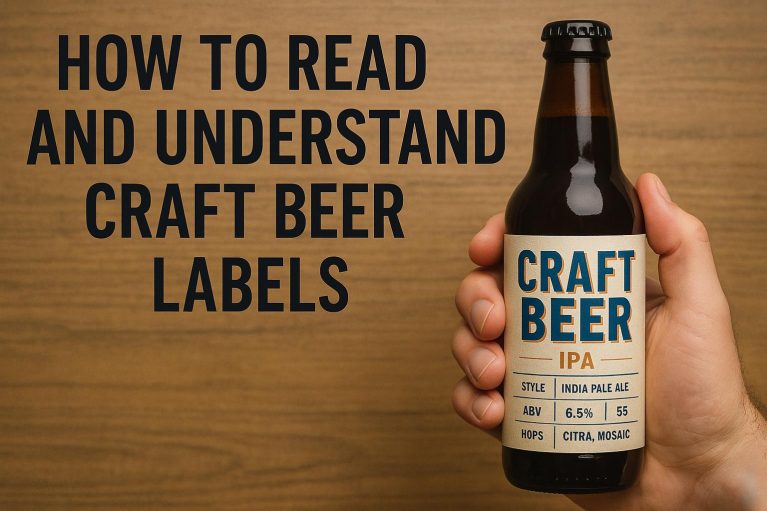
Craft beer labels often contain several important elements, each contributing to a comprehensive understanding of what you can expect from your beer. Becoming familiar with these components is a fundamental step in making informed choices and gaining a deeper appreciation of the beers you select.
Beer Style
One of the most prominent aspects you will find on a craft beer label is the specification of the beer’s style. Styles such as IPA (India Pale Ale), Stout, and Lager are just a few among a vast array of options, each providing a unique drinking experience. Knowing the style of beer allows you to anticipate the flavor profiles you are likely to encounter. For example, IPAs are typically known for their strong hoppy flavors, while Stouts are often richer and more robust, featuring deep coffee or chocolate notes. Understanding these styles and their distinctive characteristics can significantly aid in predicting the taste, aroma, and body of the beer.
Alcohol By Volume (ABV)
Another crucial element on the label is the Alcohol By Volume (ABV) percentage. This figure represents the ethanol content in the beer and is a key indicator of the beer’s strength. ABV can range from relatively low values in lighter beers, sometimes below 5%, to very high percentages in stronger ales or imperial varieties, sometimes exceeding 10% or more. Understanding the ABV of a beer not only provides insight into its potential impact on the senses but also helps in determining appropriate serving sizes and consumption settings. For instance, higher ABV beers are often savored slowly and in smaller quantities compared to their lower ABV counterparts.
International Bitterness Units (IBU)
Another important measurement found on craft beer labels is the International Bitterness Units (IBU) rating. IBU quantifies the bitterness level imparted by hops used during the brewing process. A higher IBU value generally correlates with a more bitter taste profile. However, it is important to recognize that the perceived bitterness can be influenced by other factors, such as malt sweetness or additional flavorings. Therefore, when considering the IBU rating, it is beneficial to take the complete beer description into account, ensuring a more balanced understanding of what your taste buds might experience.
Brewery Information
Most craft beer labels prominently display information about the brewery responsible for producing the beer. This usually includes the name and location of the brewery and may extend to a brief narrative about the brewery’s history, ethos, or brewing philosophy. This insight into the brewery offers a glimpse into its craft approach and heritage, allowing consumers to appreciate the passion and expertise that goes into the brewing process. By understanding the brewery’s background, consumers can develop a sense of connection and loyalty, often supporting breweries whose values and methods align with their own.
Additional Label Elements
While the key components provide a solid foundation, craft beer labels may contain additional details that further enrich the understanding of what’s inside the bottle or can. These supplementary elements are worth noting as they offer valuable insights and enhance the overall beer selection process.
Ingredients
Some craft breweries take the initiative to list specific ingredients used in their beers. This transparency can be particularly valuable for individuals with dietary restrictions or preferences. Common ingredients typically mentioned include malt, hops, and yeast, along with additional flavorings like fruits, spices, or herbs that contribute to distinct flavor profiles. This information can guide those who wish to avoid certain ingredients or who are keen to seek out specific flavors.
Tasting Notes
Another valuable aspect found on craft beer labels is the inclusion of tasting notes, which provide descriptive insights into the beer’s flavor, aroma, and mouthfeel. These tasting notes, authored by the brewers themselves, help consumers align their personal taste preferences with the beer’s intended profile. By highlighting characteristics such as floral aromas, caramel sweetness, or lingering bitterness, tasting notes serve as a guide in selecting beers that best suit individual palates.
Packaging Date and Freshness
The packaging date, whether it be the bottling or canning date, is crucial for assessing a beer’s freshness. Depending on the style, freshness can significantly impact flavor and quality. While some craft beers are best enjoyed fresh to preserve their hop character and vibrant flavors, others, such as certain stouts and Belgian ales, may age gracefully over time, developing complex and nuanced profiles. Understanding when a beer was packaged aids in making timely and suitable selections based on personal preference for either fresh or aged beer experiences.
Special Designations
Lastly, craft beer labels may include special designations that highlight unique production methods or characteristics of the beer. Labels such as “organic,” “gluten-free,” or “barrel-aged” communicate specific information about how the beer was made or any noteworthy attributes. Such designations might indicate adherence to certain standards or highlight limited or experimental batches. These labels provide additional context, enabling consumers to make choices that align with their values, health considerations, or adventurous spirit.
Conclusion
Decoding craft beer labels involves recognizing key components, such as the beer style, analyzing the ABV and IBU, and considering the brewery’s reputation and practices. Armed with this knowledge, consumers can enhance their appreciation for craft beers, making choices that align with their personal tastes and preferences. Moreover, by understanding additional elements like ingredient lists, tasting notes, and packaging dates, individuals can deepen their connection to the beverage and enjoy a richer, more informed beer-drinking experience. If you’re intrigued by the world of craft beer, further exploration is encouraged. Consider visiting local breweries, participating in beer tastings, or engaging with beer communities. These opportunities provide firsthand experience and insight into the innovative process behind each unique craft beer, ultimately enriching your journey in the vibrant and diverse landscape of craft brewing.