
The Rise of Independent Breweries
The craft beer industry has experienced significant growth over the past decade, with independent breweries playing a pivotal role in diversifying the beer market. As more breweries emerge, consumers are becoming more discerning, often seeking out beers produced by independent, locally owned establishments. This trend underscores the importance of proper certification for independent breweries, which helps consumers make informed decisions.
Independent breweries have disrupted the traditional beer market, which has long been dominated by major corporations and their mass-produced offerings. The shift toward craft beer began as a grassroots movement, driven by beer enthusiasts seeking unique flavors and brewing techniques that were not found in mainstream beer products. This shift has been supported by growing public interest in artisanal and locally sourced products, reflecting broader consumer trends favoring sustainability and quality.
Understanding Independent Brewery Certifications
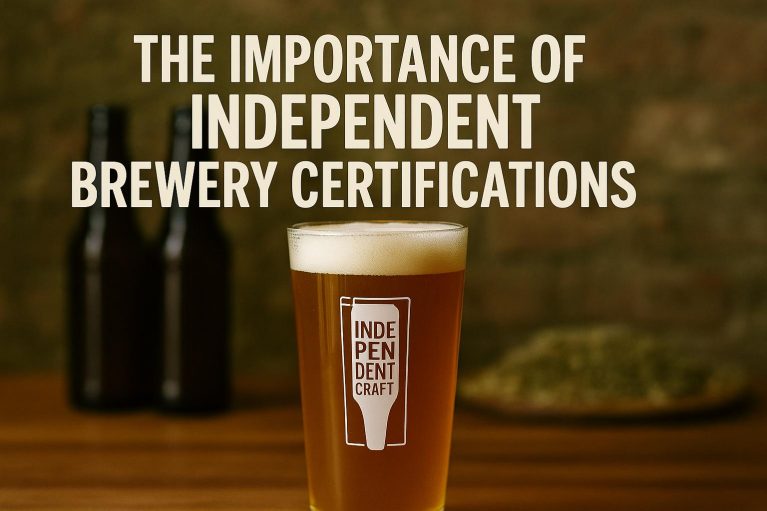
Independent brewery certifications are designed to authenticate the status of a brewery as independent, ensuring that the establishment is not affiliated with large industrial beer corporations. These certifications provide transparency in the industry, allowing consumers to distinguish between craft beer and products influenced by major beer producers.
The need for such certifications has grown alongside the craft beer movement. As the number of independent breweries has increased, so has the complexity of the market. Consumers face a bewildering array of choices, making it challenging to identify which beers truly embody the independence and artisanal quality they seek. Certifications serve as a guidepost, helping consumers navigate their options with confidence.
What Defines an Independent Brewery?
For a brewery to be considered independent, it typically needs to meet certain criteria:
- The brewery must have a relatively small production output, often defined by producing less than a certain number of barrels annually.
- The ownership and operational control of the brewery should be independent of large-scale alcoholic beverage producers, which means the brewery itself or allied craft brewers should maintain a majority stake.
The definition of what constitutes an “independent” brewery can vary depending on the certifying body, but common factors include production limits and ownership structures. A key emphasis is placed on maintaining creative and operational autonomy away from larger, commercially driven entities. This independence is considered essential to preserving the integrity and innovation that characterize craft brewing.
The Benefits of Certification
Transparency and Trust: Certifications create a standardized measure of independence, aiding consumers in identifying authentic craft beers. This transparency builds trust between the breweries and their customer base. Consumers can be reassured that they are supporting genuinely independent enterprises, which often have strong ties to their local communities.
Marketing Advantage: Certified independent breweries can distinguish their products in a crowded market, using their certification as a marketing tool. This can attract consumers who prioritize supporting local and independent businesses. With certification, brewers can effectively communicate their commitment to quality, creativity, and community, appealing to consumers who value these aspects.
How Certifications Impact the Market
The influence of certifications extends beyond brand recognition:
- They encourage fair competition among brewers by leveling the playing field for small-scale operations against larger entities.
- Consumers’ growing preference for certified products supports the sustainability of independent breweries, contributing to the economy and providing job opportunities.
Certifications play a vital function in supporting the economic ecosystem around craft brewing. By offering a means for consumers to identify and support independent breweries, certifications help to ensure that small-scale brewers can compete on more equal terms with larger corporations, which have substantial marketing and distribution advantages.
The broadened consumer interest in authentic, certified craft beers also translates into economic gains for local communities. Independent breweries often source ingredients locally and contribute to regional supply chains, fostering economic activity and providing employment within their communities. This locality-centric model not only enhances the appeal of the breweries but also adds tangible economic benefits at a time when many consumers are seeking to bolster their local economies.
Challenges in Certification
Despite the benefits, achieving certification is not without challenges:
– Costs and Administrative Work: Acquiring certification requires time and resources, which can be burdensome for small breweries with limited staff.
The process of obtaining certification can be intricate and resource-intensive, posing significant challenges for brewery owners who must juggle day-to-day operations with compliance efforts. The costs — both financial and administrative — can be considerable, requiring a commitment to documenting processes and conforming to certification standards.
However, for many independent breweries, these challenges are offset by the long-term benefits that certification can bring. Those who persevere often find that the credibility and market differentiation afforded by certification substantially outweigh the initial costs and efforts.
Conclusion
In an era where consumers are increasingly discerning about the origins and authenticity of the products they consume, independent brewery certifications play a crucial role. They not only serve as a mark of quality and integrity but also protect the interests of small, craft breweries against larger competitors. As the craft beer industry continues to expand, the significance of these certifications will likely grow, promoting a more transparent and equitable marketplace.
The future of independent brewery certifications looks bright, as more consumers continue to show interest in engaging with and supporting their local food and beverage ecosystems. Certifications are anticipated to evolve alongside the industry, addressing new challenges and reflecting ever-changing consumer priorities. The ongoing success of independent brewing will likely rely on a continued emphasis on authenticity, quality, and community engagement, with certifications playing an instrumental part in supporting these goals.
For more information on independent brewery certifications, you might consider visiting specialized resources like the Brewers Association.