The Role of Carbonation in Craft Beer
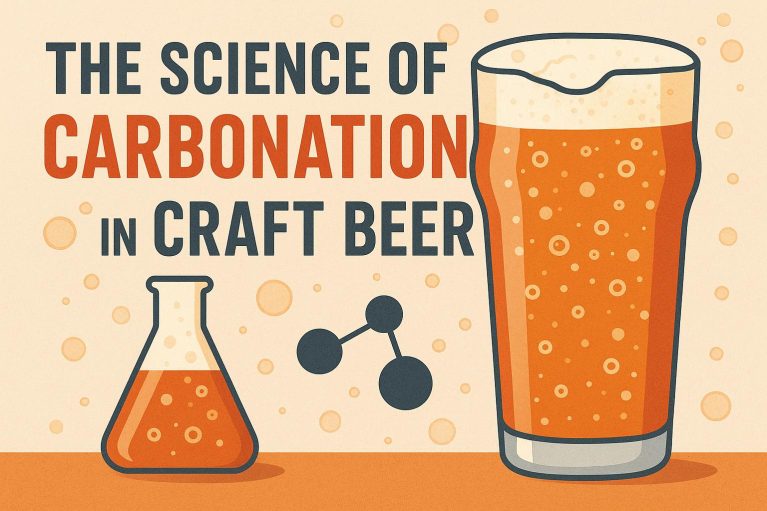
Carbonation plays a significant role in shaping the sensory experience of craft beer. Its impact is not limited to just the mouthfeel but extends to influencing the perception of flavors and aromas. At the heart of carbonation is the scientific process involving the dissolution of carbon dioxide (CO2) into the beer, achievable through either natural or forced methods. A deeper comprehension of carbonation intricacies can enhance both the production and enjoyment of craft beer, making it a vital element worthy of exploration.
Understanding Carbonation
Carbonation is essentially the phenomenon where CO2 dissolves in a liquid, resulting in the formation of bubbles. In the context of beer, this carbonation process can occur naturally during fermentation or be artificially induced. The degree of carbonation primarily affects the texture and overall mouthfeel of the beer, with a spectrum ranging from the gentle effervescence of English ales to the lively spritz found in a Belgian tripel. This broad range signifies the diversity in beer sensations driven by different carbonation levels.
Natural Carbonation
Natural carbonation occurs during the brewing process as yeast consumes sugars present in the wort. This consumption not only results in alcohol but produces CO2 as a natural byproduct. Many brewers favor a technique called bottle conditioning, a secondary fermentation process where additional sugars are introduced before bottling. This step further activates the yeast, which then produces more CO2 within the sealed environment of the bottle. The result is not only a naturally carbonated beer but potentially an enriched flavor profile, adding depth and complexity to the brew.
Forced Carbonation
Contrasting with natural carbonation, forced carbonation involves mechanically infusing CO2 into the beer, typically after the fermentation process is complete. This method allows brewers to control the level of carbonation with precision, ensuring consistency in each batch. This predictability makes forced carbonation a favored choice in commercial brewing due to its efficiency and the uniformity it offers across production runs.
Impact of Carbonation on Flavor and Aroma
The carbonation level undeniably influences the perceived intensity of both flavor and aroma within beer. Higher carbonation levels can accentuate the sensation of acidity and bitterness, contributing to a crisp and refreshing mouthfeel that can enhance lighter, tarter beer styles. Conversely, lower carbonation tends to result in a smoother texture, which might complement malt-forward beer styles that emphasize richer, more robust flavors.
Temperature and Carbonation
Temperature holds a critical role in the maintenance of carbonation levels. The solubility of CO2 increases at lower temperatures, meaning that colder beer retains higher levels of carbonation. This solubility aspect affects how beer is poured and tasted, emphasizing the need for appropriate serving temperatures aligned with each beer style. Serving a beer at its optimal temperature ensures that both its carbonation and flavor profiles are highlighted, offering the intended experience crafted by brewers.
Carbonation in Craft Beer Styles
Different styles of craft beer demand varying carbonation levels to achieve their distinctive profiles. For instance, a German Hefeweizen is known for its higher carbonation, which enhances its fruity and spicy characteristics. In contrast, an English ale often features lower carbonation levels, which serve to accentuate its malty nature. Understanding these nuances allows brewers to fine-tune carbonation levels in alignment with the intended sensory profile of their craft beer.
Craft beer enthusiasts and brewers keen on delving into the complexities and nuances of carbonation can access various resources and brewing communities that offer valuable insights. Online platforms, forums, and educational resources such as the Brewers Association provide a wealth of knowledge for both novice and seasoned brewers. Engaging with these communities offers opportunities to deepen one’s understanding of how carbonation can be manipulated to create specific beer experiences, ultimately leading to more informed brewing and consumption practices.
In summary, carbonation is more than just the bubbles in the beer; it is a core aspect that defines the texture, flavor, and overall drinking experience of craft beer. Whether achieved through natural fermentation processes or via the precision-driven approach of forced carbonation, understanding and mastering carbonation is crucial for anyone involved in the world of craft beer. As brewers continue to experiment and innovate, carbonated crafting remains an ever-evolving skill, inviting both creators and consumers to enjoy the multifaceted experience of craft beer.