The Role of Beer Aging and Cellaring in Craft Beer

The Role of Beer Aging and Cellaring in Craft Beer
Standard

The Science of Beer Aging

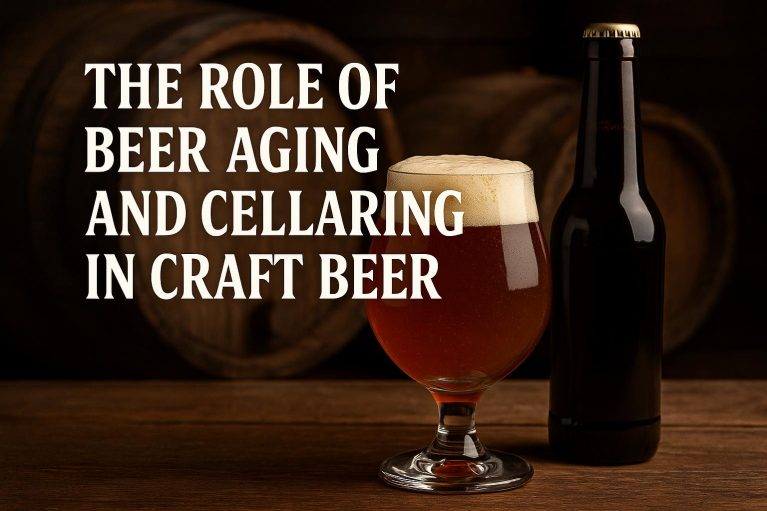
Beer aging, often termed as cellaring, is a fascinating process that captures the interest of beer aficionados and professionals alike. This involves storing beer under controlled conditions to enable its flavors and aromas to mature and develop uniquely over time. Much like wine, but with its particular nuances, the aging process of beer can either unfold delightful complexities or remain stagnant and, in some cases, even deteriorate its original quality. Notably, not every beer style responds positively to aging, making it crucial to understand which types benefit from this process.

Styles Suitable for Aging

Not every craft beer variety is cut out for aging. Some have an intricate balance of ingredients that may falter over time rather than improve. In essence, beers with a higher alcoholic content, typically above 8% Alcohol By Volume (ABV), along with deeper flavors and a more complex character, are generally suitable for this transformative process.

Certain styles are particularly known to benefit from cellaring. Beers such as strong ales, imperial stouts, barleywines, and Belgian Quadrupels are prime candidates for aging. The high alcohol and malt content inherent in these styles provide a robust structure, enabling the flavors to blend and morph over time into something uniquely captivating. These styles’ inherent properties serve as a solid foundation upon which time can indeed work its magic.

The Aging Process

The science of beer aging revolves around myriad chemical reactions that take place over time. Two primary processes at play are oxidation and the development of esters. Oxidation is a reaction that, in the right proportion, can be beneficial by imparting flavors reminiscing of sherry or port wine. This can add a luxurious layer of complexity to the beer which is often sought after by seasoned beer enthusiasts. However, over-oxidation can veer the flavor profile into unpleasant territories, making the delicate balance pivotal.

On the other hand, esters contribute fruity notes that were not part of the beer’s profile when fresh. These compounds can introduce intriguing nuances and complexities, further enhancing the sensory experience of an aged beer.

The art of beer aging is not only a product of these reactions, but is also significantly influenced by temperature and humidity. Ideal aging conditions are paramount—typically requiring a dark storage environment with a temperature hovering around 50-55 degrees Fahrenheit (10-13 degrees Celsius). Humidity levels should remain between 50 and 70 percent. Maintaining these conditions is critical to preventing undesirable chemical reactions that might undermine the beer’s quality.

Advantages and Challenges

Aging beer can offer numerous advantages, contributing to a richer and more complete flavor presentation. As beers age, the characteristics and flavors often meld into a harmonious balance, smoothing out harsh notes and allowing the complexities inherent in the beer to come forward. This can manifest in depth and richness of flavor that was perhaps initially overshadowed by dominant ingredients.

Yet, the practice is not without its challenges. The most notable issue is the unpredictability of the aging outcome. Aged beer’s success depends on a multitude of factors, such as the original brewing methods and the accuracy of the storage conditions. Often, the desired results may not come to fruition, leading to a beverage that has not improved or, worse, has diminished in quality. This makes beer aging a venture fraught with the possibility of uncertainty.

Conclusion

For those eager to dive into the art of beer aging, attention to detail begins with the selection of suitable styles and the precise maintenance of storage conditions. This pursuit demands a commitment to patience and the understanding that trial and error are intrinsic to the process. However, for the curious and the adventurous, the reward can be a beer that tells a richer, more mature story than when it was first bottled.

Individuals keen to expand their knowledge and delve deeper into the nuanced practices of beer aging can find a wealth of resources. Specialty craft beer websites and forums offer extensive insights and shared experiences from fellow beer enthusiasts who have navigated the world of beer aging. The journey into this scientific yet artisanal process is one that promises excitement and discovery at each turn, enriching both the palate and understanding of this beloved beverage.

How to Read and Understand Craft Beer Labels

How to Read and Understand Craft Beer Labels
Standard

Introduction

Craft beer has become a prominent part of the beverage industry, offering enthusiasts a wide variety of flavors, styles, and experiences. As the craft beer market continues to expand, beer enthusiasts and casual consumers alike are presented with an ever-growing assortment of options. Being able to navigate this multitude of choices is essential for anyone looking to enhance their beer-drinking experience. One key aspect of making informed decisions is understanding how to decode craft beer labels, which often encapsulate a wealth of information about the beer you are considering. This guide will provide insights into decoding the information found on craft beer labels, empowering consumers to make knowledgeable selections that suit their personal preferences and enhance their overall enjoyment of craft beer.

Understanding Key Components

Craft beer labels often contain several important elements, each contributing to a comprehensive understanding of what you can expect from your beer. Becoming familiar with these components is a fundamental step in making informed choices and gaining a deeper appreciation of the beers you select.

Beer Style

One of the most prominent aspects you will find on a craft beer label is the specification of the beer’s style. Styles such as IPA (India Pale Ale), Stout, and Lager are just a few among a vast array of options, each providing a unique drinking experience. Knowing the style of beer allows you to anticipate the flavor profiles you are likely to encounter. For example, IPAs are typically known for their strong hoppy flavors, while Stouts are often richer and more robust, featuring deep coffee or chocolate notes. Understanding these styles and their distinctive characteristics can significantly aid in predicting the taste, aroma, and body of the beer.

Alcohol By Volume (ABV)

Another crucial element on the label is the Alcohol By Volume (ABV) percentage. This figure represents the ethanol content in the beer and is a key indicator of the beer’s strength. ABV can range from relatively low values in lighter beers, sometimes below 5%, to very high percentages in stronger ales or imperial varieties, sometimes exceeding 10% or more. Understanding the ABV of a beer not only provides insight into its potential impact on the senses but also helps in determining appropriate serving sizes and consumption settings. For instance, higher ABV beers are often savored slowly and in smaller quantities compared to their lower ABV counterparts.

International Bitterness Units (IBU)

Another important measurement found on craft beer labels is the International Bitterness Units (IBU) rating. IBU quantifies the bitterness level imparted by hops used during the brewing process. A higher IBU value generally correlates with a more bitter taste profile. However, it is important to recognize that the perceived bitterness can be influenced by other factors, such as malt sweetness or additional flavorings. Therefore, when considering the IBU rating, it is beneficial to take the complete beer description into account, ensuring a more balanced understanding of what your taste buds might experience.

Brewery Information

Most craft beer labels prominently display information about the brewery responsible for producing the beer. This usually includes the name and location of the brewery and may extend to a brief narrative about the brewery’s history, ethos, or brewing philosophy. This insight into the brewery offers a glimpse into its craft approach and heritage, allowing consumers to appreciate the passion and expertise that goes into the brewing process. By understanding the brewery’s background, consumers can develop a sense of connection and loyalty, often supporting breweries whose values and methods align with their own.

Additional Label Elements

While the key components provide a solid foundation, craft beer labels may contain additional details that further enrich the understanding of what’s inside the bottle or can. These supplementary elements are worth noting as they offer valuable insights and enhance the overall beer selection process.

Ingredients

Some craft breweries take the initiative to list specific ingredients used in their beers. This transparency can be particularly valuable for individuals with dietary restrictions or preferences. Common ingredients typically mentioned include malt, hops, and yeast, along with additional flavorings like fruits, spices, or herbs that contribute to distinct flavor profiles. This information can guide those who wish to avoid certain ingredients or who are keen to seek out specific flavors.

Tasting Notes

Another valuable aspect found on craft beer labels is the inclusion of tasting notes, which provide descriptive insights into the beer’s flavor, aroma, and mouthfeel. These tasting notes, authored by the brewers themselves, help consumers align their personal taste preferences with the beer’s intended profile. By highlighting characteristics such as floral aromas, caramel sweetness, or lingering bitterness, tasting notes serve as a guide in selecting beers that best suit individual palates.

Packaging Date and Freshness

The packaging date, whether it be the bottling or canning date, is crucial for assessing a beer’s freshness. Depending on the style, freshness can significantly impact flavor and quality. While some craft beers are best enjoyed fresh to preserve their hop character and vibrant flavors, others, such as certain stouts and Belgian ales, may age gracefully over time, developing complex and nuanced profiles. Understanding when a beer was packaged aids in making timely and suitable selections based on personal preference for either fresh or aged beer experiences.

Special Designations

Lastly, craft beer labels may include special designations that highlight unique production methods or characteristics of the beer. Labels such as “organic,” “gluten-free,” or “barrel-aged” communicate specific information about how the beer was made or any noteworthy attributes. Such designations might indicate adherence to certain standards or highlight limited or experimental batches. These labels provide additional context, enabling consumers to make choices that align with their values, health considerations, or adventurous spirit.

Conclusion

Decoding craft beer labels involves recognizing key components, such as the beer style, analyzing the ABV and IBU, and considering the brewery’s reputation and practices. Armed with this knowledge, consumers can enhance their appreciation for craft beers, making choices that align with their personal tastes and preferences. Moreover, by understanding additional elements like ingredient lists, tasting notes, and packaging dates, individuals can deepen their connection to the beverage and enjoy a richer, more informed beer-drinking experience. If you’re intrigued by the world of craft beer, further exploration is encouraged. Consider visiting local breweries, participating in beer tastings, or engaging with beer communities. These opportunities provide firsthand experience and insight into the innovative process behind each unique craft beer, ultimately enriching your journey in the vibrant and diverse landscape of craft brewing.

The Rise of Low-ABV and Session Craft Beers

The Rise of Low-ABV and Session Craft Beers
Standard

The Trend of Low-ABV and Session Craft Beers

In recent years, both craft beer enthusiasts and casual drinkers have noticed a significant shift in the craft beer industry: a growing preference for low-ABV (Alcohol by Volume) and session beers. This movement has gained steady momentum as consumers increasingly prioritize moderation and social drinking experiences over the higher alcohol content traditionally associated with many craft brews.

Understanding Low-ABV and Session Beers

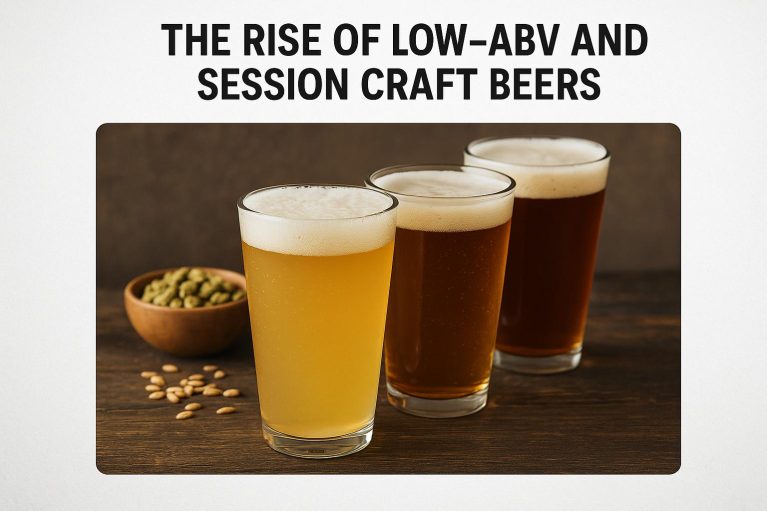
Low-ABV beers generally contain an alcohol content of 4% or less. On the other hand, session beers are specially crafted to be enjoyed over an extended period without leading to significant intoxication. The term “session” is derived from the idea that these beer styles allow for prolonged drinking sessions, providing enjoyment without overwhelming the drinker’s palate or impairing judgment. The essence of these beers extends beyond their lower alcohol content; they emphasize balanced flavors and enhance drinkability.

Reasons for the Popularity of Low-ABV Beers

The increasing popularity of low-ABV and session craft beers can be attributed to several driving factors. Primarily, there is a rising interest in health and wellness, with an increasing number of consumers seeking to moderate their alcohol intake. This growing trend aligns with broader movements within the food and beverage industry, where lighter, health-conscious options are gaining traction.

Moreover, the social dynamics surrounding drinking have undergone a transformation. Modern consumers are often more inclined to appreciate beers over extended periods, allowing them to fully engage in conversations without suffering from the drawbacks associated with high-alcohol brews. Consequently, craft breweries are now meeting this demand head-on by offering a wider variety of sessionable options, captivating a diverse audience.

Impact on the Craft Beer Industry

The burgeoning interest in low-ABV and session beers has led numerous craft breweries to revamp and diversify their product lines. In response, breweries are innovating by using creative ingredients and brewing techniques to ensure that these lower-alcohol beers do not compromise on flavor or complexity. This innovation has resulted in an expanded range of low-ABV beer styles, extending from IPAs to sours and beyond.

Notably, both established craft breweries and new entrants are investing significant resources into these styles. The increased emphasis on low-ABV beers has encouraged further experimentation with distinctive brewing methods, such as kettle souring or the use of alternative grains, which enhance flavor while maintaining a low alcohol percentage.

Consumer Trends and Preferences

Today’s craft beer consumers are becoming more knowledgeable and demanding in their choices. They actively seek diverse flavor profiles and are enthusiastic about trying new styles. Low-ABV and session beers present an opportunity for breweries to cater to these evolving preferences without the higher-calorie counts often associated with traditional craft beers. As consumers become increasingly discerning, there is a notable shift in focus towards quality, variety, and the overall drinking experience.

The future of low-ABV and session craft beers appears promising, as the industry continues to burgeon, reaching new demographics and markets. The emphasis on moderate drinking, along with intricate yet approachable flavors, is expected to remain a central aspect of the craft beer scene, appealing to a wide array of consumers.

In conclusion, the ascent of low-ABV and session craft beers reflects a transformation in drinking habits. Consumers are gravitating towards moderation, taste, and enhanced social experiences, both motivating and enabling breweries to innovate and broaden their offerings. This trend is actively reshaping the craft beer landscape, inviting more individuals to delve into the rich and diverse tastes that these beers have to offer.

The Best Craft Beer Subscription Services

The Best Craft Beer Subscription Services
Standard

Introduction to Craft Beer Subscription Services

In recent years, craft beer subscription services have grown in popularity, offering a convenient way for enthusiasts to discover new flavors and styles from around the world. These services provide a diverse selection of beers that are often hard to find in local stores, delivering them directly to your doorstep. Subscribing to a craft beer service can be an ideal way to delve deeper into the world of craft brewing, appreciate different brewing techniques, and discover breweries you may not have encountered before.

The Growth of Craft Beer Culture

Craft beer has become an integral part of the global beverage landscape, with microbreweries and independent brewers continuously driving innovation. This cultural shift towards appreciating unique beer flavors and brewing styles has fueled the growth of craft beer subscription services. Consumers are not just looking for any beer—they’re looking for something distinct, high-quality, and often something that tells a unique story.

As craft beer becomes more sophisticated, so does the discerning palate of the beer enthusiast. Collectors and aficionados alike are increasingly interested in breweries that experiment with ingredients and processes. Craft beer subscription services cater to these curious consumers by offering selections from regions and styles that might otherwise remain untapped to the average consumer.

Key Features of Craft Beer Subscription Services

While each subscription service varies in its offerings, the fundamental elements typically include:

  • Diverse Selection: Subscribers can expect a wide range of beer styles, including IPAs, stouts, lagers, and more exotic brews. This variety allows enthusiasts to uncover new favorites while deepening their understanding of various beer styles.
  • Curated Experiences: Many services employ experts to curate selections, ensuring high-quality and thoughtfully chosen beers each month. This curation often reflects the expertise and passion of those who take pride in selecting the best of what’s available for subscribers.
  • Flexibility: Most subscriptions offer flexible plans in terms of duration and the number of beers included per delivery. This allows for customization according to individual preferences and consumption patterns, making it ideal for both newcomers and seasoned beer drinkers.
  • Educational Content: Subscribers often receive tasting notes, background information on the breweries, and pairing suggestions to enhance their experience. This educational component transforms mere consumption into an immersive learning journey.
  • Gift Options: Subscriptions make excellent gifts for beer enthusiasts, usually accompanied by a personalized message or beer-themed gift. These gift options provide a thoughtful way to introduce someone to the broader world of craft beers.

Beyond Beer: The Value-Added Benefits

Apart from offering a range of beers, some subscription services go a step further by including exclusive content such as virtual tasting sessions, access to brewery tours, and opportunities for direct interaction with brewers. These additional features not only cater to the tastes of the beer aficionado but also provide a platform for community building among subscribers.

Examples of Popular Craft Beer Subscription Services

While there are many craft beer subscription services available, a few have emerged as leaders in the field. Below are some noteworthy examples:

The Original Craft Beer Club

The Original Craft Beer Club has been a staple in the craft beer subscription industry. This service delivers a range of American craft beers, focusing on limited releases from independent breweries across the United States. Each package includes tasting notes and brewery profiles, enabling subscribers to appreciate the narrative behind each brew.

Hop Heads Beer Club

For those who favor hop-heavy beers, the Hop Heads Beer Club specializes in delivering a selection of IPAs, Double IPAs, and other hop-centric styles. Their dedication to hop-forward beers makes this service ideal for IPA lovers. This club serves as a haven for those who relish the hoppy bitterness and aromatic complexity characteristic of these styles.

Beer Across America

Beer Across America emphasizes nationwide discoveries, offering subscribers a taste of craft beer from various states. This service provides a broader perspective on the U.S. craft beer scene, delivering a unique mix of both well-known and obscure brewery offerings each month. It’s a journey across America’s diverse brewing landscape without leaving your home.

Brewvana

Brewvana focuses on providing a unique experience with their curated tasting boxes. Each selection highlights beers from a featured city, allowing subscribers to experience beers as if they were visiting that location. Additionally, Brewvana includes pairing recipes and exclusive virtual events, creating an experiential journey that extends beyond the beverage to encompass culinary and social aspects.

Significance and Impact on the Craft Beer Industry

The rise of craft beer subscription services is significantly impacting both consumers and producers. For consumers, these subscriptions make a vast array of beers accessible, fostering a richer appreciation of the craft beer culture. Simultaneously, for breweries, especially smaller independent operations, these services provide a platform to reach a wider audience and expand their market without excessive marketing costs.

Subscription services contribute to shaping beer trends by determining which styles and breweries gain popularity. Through curated selections, they influence what beers become available to consumers, helping to elevate niche styles that might otherwise go unnoticed.

Conclusion

Craft beer subscription services offer enthusiasts a seamless way to explore an array of flavors and expand their beer knowledge. Whether you’re a lover of hoppy brews, interested in sampling international selections, or eager to discover emerging breweries, there’s likely a service tailored to your preferences. These subscriptions not only simplify the process of exploring craft beers but also support independent breweries by introducing their creations to a broader audience. In the end, a craft beer subscription can be a delightful adventure delivered right to your door.

As the craft beer industry continues to thrive, subscription services are poised to play a pivotal role in shaping the future of beer consumption, providing a link between the brewers and those eager to appreciate their craft. The convenience, variety, and educational benefits they offer make them an excellent choice for anyone looking to explore the multifaceted world of craft beer more deeply.

The Role of Craft Beer in the Farm-to-Table Movement

The Role of Craft Beer in the Farm-to-Table Movement
Standard

Introduction

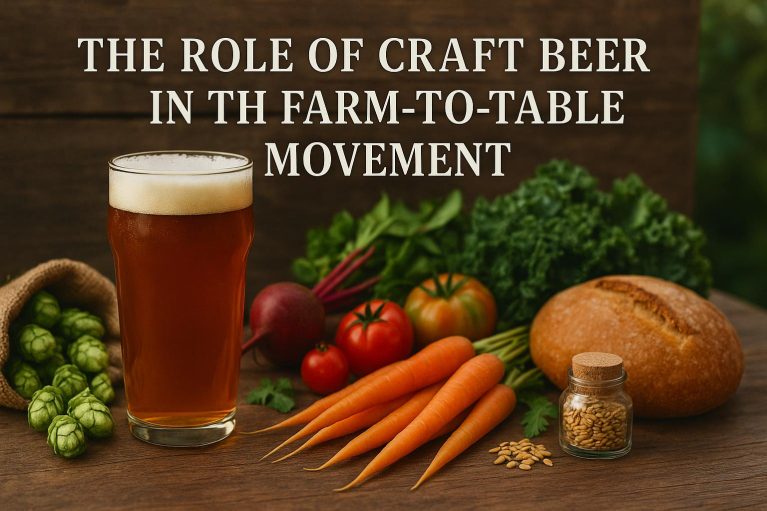
The farm-to-table movement represents a significant shift in the way food is sourced, prepared, and consumed. This culinary trend places an emphasis on acquiring ingredients directly from local farms, aligning with goals to promote sustainability, support local economies, and ensure consumers access fresh, high-quality produce. An intriguing yet sometimes overlooked participant in this movement is the realm of craft beer. Craft beer production aligns seamlessly with the farm-to-table ethos due to its focus on small-batch, artisanal production methods, which are enriched by locally-sourced ingredients.

Craft Beer: A Natural Fit for Farm-to-Table

Craft beer has emerged as an unexpected but perfect partner to the farm-to-table movement. The small-scale and often local orientation of craft breweries naturally resonates with the principles of sourcing fresh ingredients from nearby farms. Breweries that concentrate on craft beer production commonly prioritize utilizing locally-derived components, such as barley, hops, and yeast. These practices not only bolster local agriculture but also elevate the quality and distinctiveness of the beer’s flavor, infusing it with the uniqueness of local agricultural produce.

The Emphasis on Local Ingredients

One primary way craft breweries integrate into the farm-to-table movement is through their strong focus on local ingredients. Craft breweries frequently cultivate unique partnerships with local farms, establishing a mutualistic relationship. For farmers, these partnerships offer a stable and oftentimes lucrative market for their produce. In return, breweries gain access to high-quality, fresh ingredients that can be transformed into distinctive brews. An exemplary instance of this collaboration can be seen in the use of locally-sourced honey or fruit, crafting seasonal brews and special-edition batches that not only capture the essence of local flavors but also foster a deeper connection between consumers and the regional landscape.

Sustainability in Craft Beer Production

Sustainability is an essential trait shared by both craft beer production and the farm-to-table movement. Many craft breweries have adopted a variety of sustainable practices to reduce their environmental footprint. One common method involves the repurposing of spent grain, a byproduct of the brewing process. Rather than allowing this protein-rich material to go to waste, breweries often donate it to local farms, where it can be used as livestock feed or as a component for fertilization. This practice not only minimizes waste but also contributes to a more circular and environmentally conscious production cycle. Additionally, by adhering to farm-to-table principles, craft breweries contribute to reduced transportation emissions, further enhancing the sustainability of their operations.

Community Engagement

Engaging with the local community is another cornerstone of the craft beer industry’s connection to the farm-to-table movement. By participating in local events, sponsoring farmers markets, or hosting beer-tasting sessions that feature and celebrate local flavors, craft breweries become vibrant and integral parts of their communities. Such interactions promote not only the principles of farm-to-table but also provide educational opportunities for consumers. Through these activities, consumers are offered insights into the origins of their beverages, fostering a deeper appreciation for the process and the people behind their favorite craft beers. Furthermore, these engagements often lead to stronger community bonds and a shared sense of pride in supporting local businesses and sustainable practices.

Conclusion

The compatibility between craft beer and the farm-to-table movement underscores a broader cultural and consumer trend in favor of sustainable, community-centered consumption patterns. By prioritizing locally-sourced and sustainable practices, craft breweries fulfill a significant role in advancing the overarching objectives of the farm-to-table movement. These objectives include promoting environmental consciouses, supporting local economies, and offering high-quality products that reflect the character and resources of their regions. To gain further insights and explore how local breweries are contributing to this movement, one might consider visiting Brewers Association for valuable resources and information regarding ongoing contributions by craft breweries to sustainable development and cultural enrichment within their communities.

This synthesis of culinary artistry and ecological awareness reveals how diverse segments of the food and beverage industry can collaborate to drive positive change. As consumers become more aware and receptive to issues surrounding sustainability and local support, the partnership between craft beer and farm-to-table dining showcases a promising model for future growth. Both sectors highlight the potential for smaller, localized practices to yield large-scale benefits, encouraging a more mindful and thoughtful approach to consumption. Through sustained collaboration and innovation, craft breweries and farm-to-table proponents are paving the way for a sustainable and delicious future.

The Future of the Craft Beer Industry

The Future of the Craft Beer Industry
Standard

The Current Landscape of the Craft Beer Industry

The craft beer industry has experienced remarkable expansion over the past two decades. This growth is evident in the increasing number of breweries and the rising consumer demand for a variety of beer flavors and styles. According to the Brewers Association, a craft brewery is defined as one that is small, independent, and traditional. Such a definition has been instrumental in guiding the industry, which has come to account for over 25% of the $116 billion U.S. beer market by volume in recent years. This significant share highlights how influential craft beer has become in the larger landscape of the beer industry.

Trends Shaping the Future

As the craft beer industry continues to develop and mature, several trends are emerging that are expected to significantly influence its future trajectory.

Innovation in Ingredients and Brewing Techniques

Craft brewers are consistently exploring new avenues in terms of ingredients and brewing methods to transcend traditional beer flavor profiles. The use of exotic fruits, spices, and even herbs is becoming more commonplace as crafters strive to create distinct flavor experiences. Beyond ingredients, advancements in brewing technology are providing brewers with more precise control over fermentation and brewing processes. This technological progress ensures high-quality products, as it facilitates consistency and creativity in brewing. The ability to experiment and innovate with both ingredients and techniques positions craft brewers to continually captivate and expand their audience.

Sustainability and Environmental Responsibility

The environmental footprint of beer production is a pressing concern for many in the industry. In response, numerous breweries are adopting sustainable practices that focus on reducing environmental impact. These efforts include implementing water conservation measures, utilizing renewable energy, and instituting recycling programs. Some companies are even employing carbon capture technology to mitigate emissions. Such initiatives are crucial not only for the environment but also resonate with eco-conscious consumers who appreciate businesses that prioritize sustainability. The movement towards environmental responsibility in the craft beer industry is likely to grow as more consumers and businesses place emphasis on sustainability.

Localism and Community Engagement

The trend of localism significantly influences consumer choices, with many individuals expressing a preference for supporting local businesses. Craft beer is highly intertwined with this localism trend, as numerous breweries engage in community-oriented initiatives. This engagement often involves sourcing local ingredients and hosting events that foster community interaction. By fostering strong community ties, breweries not only cultivate a loyal customer base but also emphasize the distinctive nature of their products. These efforts underline the unique identity of each brewery and its commitment to supporting the local economy and culture, highlighting the symbiotic relationship between craft breweries and their communities.

Digital Presence and Direct-to-Consumer Sales

The rise of digital technology has revolutionized how breweries engage with their audiences. With digital platforms, breweries can now reach a wider audience through online sales and robust marketing strategies. Direct-to-consumer sales models have gained traction, allowing customers to purchase beer directly from their favorite breweries without relying on intermediary distributors. The use of social media and e-commerce not only facilitates brand building but also enhances customer interaction, allowing breweries to establish a strong brand presence and maintain meaningful relationships with their customer base. As technology continues to evolve, the significance of a formidable digital presence will likely increase, offering breweries new opportunities for growth and engagement.

Challenges Facing the Industry

Despite the bright prospects for the craft beer industry, it faces several challenges that require attention and strategic handling.

Changing Consumer Preferences

Consumer preferences are shifting, with increasing demand for low-alcohol and healthier lifestyle options. This shift presents a potential challenge for beer consumption as people become more health-conscious. To address these changing preferences, many brewers may need to diversify their offerings by creating lower-calorie or non-alcoholic beer options. Adapting to these evolving demands ensures that breweries can retain existing customers while attracting new ones who might otherwise opt for other beverages that align more closely with their lifestyle choices.

Increased Competition

The craft beer industry is characterized by an intensely competitive landscape due to the sheer number of operating breweries. In this crowded market, differentiation becomes key for survival and success. Breweries must find ways to stand out, whether through unique branding, distinctive flavor profiles, exceptional quality, or a combination of these factors. Establishing a strong brand identity and a reputation for quality is crucial to maintaining a competitive edge. Furthermore, constant innovation and adaptation to consumer trends can help breweries maintain relevance and continue to thrive despite the competitive pressures they face.

Conclusion

The future of the craft beer industry is undoubtedly promising, driven by key trends in innovation, sustainability, and community engagement. However, the path forward will require adaptability to rapidly evolving consumer preferences and market conditions. Breweries that embrace these changes and meet the challenges head-on will continue to carve out their place in the industry. By fostering innovation and sustainability while engaging deeply with their communities, craft breweries are well-positioned to expand their influence both nationally and globally, ensuring their continued relevance and success in the dynamic economic landscape.

The Science of Carbonation in Craft Beer

The Science of Carbonation in Craft Beer
Standard

The Role of Carbonation in Craft Beer

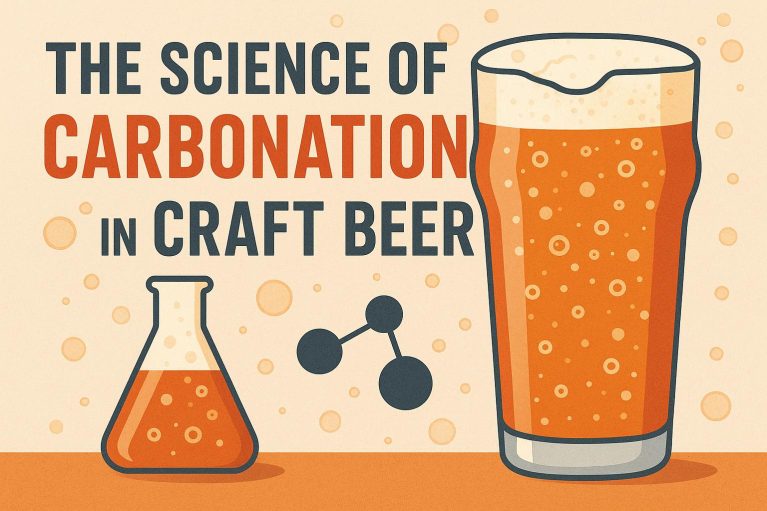
Carbonation plays a significant role in shaping the sensory experience of craft beer. Its impact is not limited to just the mouthfeel but extends to influencing the perception of flavors and aromas. At the heart of carbonation is the scientific process involving the dissolution of carbon dioxide (CO2) into the beer, achievable through either natural or forced methods. A deeper comprehension of carbonation intricacies can enhance both the production and enjoyment of craft beer, making it a vital element worthy of exploration.

Understanding Carbonation

Carbonation is essentially the phenomenon where CO2 dissolves in a liquid, resulting in the formation of bubbles. In the context of beer, this carbonation process can occur naturally during fermentation or be artificially induced. The degree of carbonation primarily affects the texture and overall mouthfeel of the beer, with a spectrum ranging from the gentle effervescence of English ales to the lively spritz found in a Belgian tripel. This broad range signifies the diversity in beer sensations driven by different carbonation levels.

Natural Carbonation

Natural carbonation occurs during the brewing process as yeast consumes sugars present in the wort. This consumption not only results in alcohol but produces CO2 as a natural byproduct. Many brewers favor a technique called bottle conditioning, a secondary fermentation process where additional sugars are introduced before bottling. This step further activates the yeast, which then produces more CO2 within the sealed environment of the bottle. The result is not only a naturally carbonated beer but potentially an enriched flavor profile, adding depth and complexity to the brew.

Forced Carbonation

Contrasting with natural carbonation, forced carbonation involves mechanically infusing CO2 into the beer, typically after the fermentation process is complete. This method allows brewers to control the level of carbonation with precision, ensuring consistency in each batch. This predictability makes forced carbonation a favored choice in commercial brewing due to its efficiency and the uniformity it offers across production runs.

Impact of Carbonation on Flavor and Aroma

The carbonation level undeniably influences the perceived intensity of both flavor and aroma within beer. Higher carbonation levels can accentuate the sensation of acidity and bitterness, contributing to a crisp and refreshing mouthfeel that can enhance lighter, tarter beer styles. Conversely, lower carbonation tends to result in a smoother texture, which might complement malt-forward beer styles that emphasize richer, more robust flavors.

Temperature and Carbonation

Temperature holds a critical role in the maintenance of carbonation levels. The solubility of CO2 increases at lower temperatures, meaning that colder beer retains higher levels of carbonation. This solubility aspect affects how beer is poured and tasted, emphasizing the need for appropriate serving temperatures aligned with each beer style. Serving a beer at its optimal temperature ensures that both its carbonation and flavor profiles are highlighted, offering the intended experience crafted by brewers.

Carbonation in Craft Beer Styles

Different styles of craft beer demand varying carbonation levels to achieve their distinctive profiles. For instance, a German Hefeweizen is known for its higher carbonation, which enhances its fruity and spicy characteristics. In contrast, an English ale often features lower carbonation levels, which serve to accentuate its malty nature. Understanding these nuances allows brewers to fine-tune carbonation levels in alignment with the intended sensory profile of their craft beer.

Craft beer enthusiasts and brewers keen on delving into the complexities and nuances of carbonation can access various resources and brewing communities that offer valuable insights. Online platforms, forums, and educational resources such as the Brewers Association provide a wealth of knowledge for both novice and seasoned brewers. Engaging with these communities offers opportunities to deepen one’s understanding of how carbonation can be manipulated to create specific beer experiences, ultimately leading to more informed brewing and consumption practices.

In summary, carbonation is more than just the bubbles in the beer; it is a core aspect that defines the texture, flavor, and overall drinking experience of craft beer. Whether achieved through natural fermentation processes or via the precision-driven approach of forced carbonation, understanding and mastering carbonation is crucial for anyone involved in the world of craft beer. As brewers continue to experiment and innovate, carbonated crafting remains an ever-evolving skill, inviting both creators and consumers to enjoy the multifaceted experience of craft beer.

The Influence of British Brewing Traditions on Craft Beer

The Influence of British Brewing Traditions on Craft Beer
Standard

The Historical Roots of British Brewing

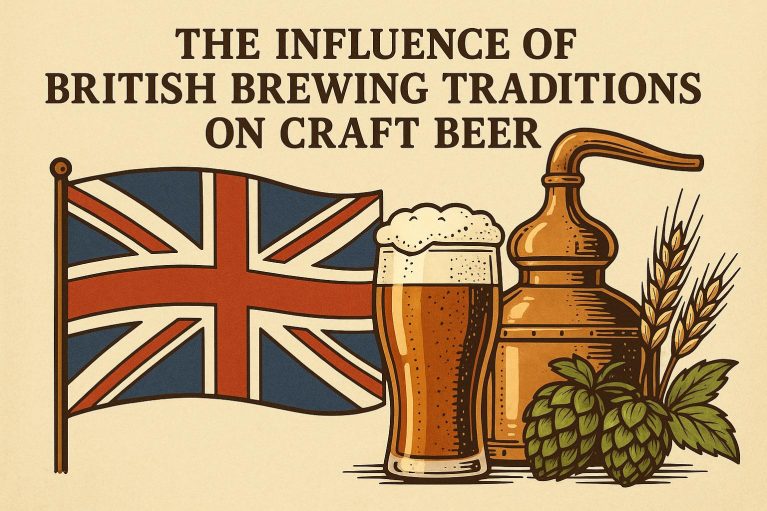
The British brewing tradition has played a pivotal role in shaping the global beer industry, leaving a lasting legacy that permeates the contemporary landscape of craft beer. This rich history is characterized by innovation, adaptation, and a steadfast commitment to quality—a confluence of factors that has profoundly influenced the evolution of beer worldwide. Within this context, it is crucial to understand the essence of traditional British brewing, which has contributed significantly to the diversity and complexity of beer flavors that are celebrated today.

Traditional British Beer Styles

British brewing is renowned for distinctive beer styles that have become benchmarks for brewers around the globe. The most iconic of these include porter, stout, bitter, and pale ale, each boasting unique characteristics that define their identity. The development and refinement of these styles can largely be traced back to the Industrial Revolution when technological advancements in brewing facilitated more consistent and varied production.

The lore of the porter, for instance, is rooted in 18th-century London, where its robust, deep flavors gained popularity among the city’s hardworking porters. The stout, an evolution of the porter, is recognized for its even richer and more intense profiles, characterized by roasted malt flavors. Similarly, bitter introduces a balance of malt and hops, offering both refreshing and bold aspects. Pale ale, another staple of British brewing, is noted for its pleasant balance, influenced heavily by the quality of water in regions like Burton-upon-Trent—an element critical to achieving the desired hoppiness.

Influence on American Craft Beer

The late 20th century saw a burgeoning craft beer movement in America, heavily inspired by the British brewing tradition. The fledgling movement sought to emulate the quality and flavor profiles of British beers. Pioneering American brewers found inspiration in British brewing methods, adjusting them to create innovative styles that married tradition with local ingredients and experimentation. The English-style pale ale became a cornerstone of American craft brewing, often brewed with American hops to produce a more assertive aroma and bitterness.

This transatlantic influence also saw the adaptation of distinct British styles. For example, porters and stouts were reimagined with American twists, incorporating local flavors and additional hops. These adaptations underscored a shared commitment to quality and a celebration of regional diversity, creating a bridge between British and American brewing traditions.

British Techniques in Craft Brewing

Numerous British brewing techniques have been adopted and embraced by craft brewers worldwide. A notable method is the use of open fermentation vessels, which allows interaction between the fermenting beer and ambient air, contributing to unique flavor profiles. The exposure to different yeast and bacteria strains can yield complex aromas and taste permutations, a technique that speaks to the dynamic nature of fermentation as an art in itself.

Another quintessentially British practice is barrel-aging, particularly in oak casks, which adds depth and intricacy to the final product. Historically, wooden casks were prevalent in British brewing, with their natural properties influencing the flavor of the beer. This method integrates slight oxidation and wood infusion, enhancing the beer’s complexity and texture.

Additionally, the tradition of dry hopping—adding hops to the beer post-fermentation—originated from British practices aimed at augmenting aroma without excessive bitterness. This technique is cherished by modern craft brewers seeking novel ways to highlight hop characteristics, exemplifying how historical practices continue to find relevance in contemporary brewing.

Modern Implications

The influence of British brewing traditions remains palpable in today’s craft beer scene. Brewers worldwide often revisit historical recipes and methodologies, fueling both the revival of traditional styles and the creation of innovative hybrids. This exploration and adaptation of past practices have led to a dynamic cultural exchange, ensuring that British brewing remains a foundational pillar in the ever-expanding landscape of craft beer.

Contemporary craft brewers, inspired by British precedents, continue to push the boundaries of beer production. They delve into historical texts and engage with seasoned brewers to preserve and innovate simultaneously, ensuring that traditional wisdom complements modern ingenuity. As new markets emerge, the intergenerational dialogue established by British brewing traditions expands, offering endless possibilities for creative expression and enjoyment.

To delve deeper into the impact of historical brewing practices on today’s craft beer industry, readers can seek resources from brewing associations, academic inquiries, or expert interviews. Such explorations reveal the intricate heritage underlying the broad spectrum of flavors and techniques prevalent in modern brewing, perpetuating a legacy of innovation and quality that began with Britain’s brewing pioneers.

In summation, the British brewing legacy remains an indelible influence on craft brewing globally, sustaining a robust dialogue between tradition and innovation. As emerging brewers continue to draw from British styles and techniques, they contribute to a rich tapestry of flavors and experiences, ensuring that the essence of British brewing continues to inspire, educate, and delight beer enthusiasts around the world.

The Best Craft Beer and Cheese Pairings

The Best Craft Beer and Cheese Pairings
Standard

The Art of Craft Beer and Cheese Pairings

Pairing craft beer with cheese has surged in popularity among culinary enthusiasts eager to explore the harmonious diversity of flavors. Traditionally, wine has been the go-to match for cheese, but craft beer brings a surprisingly versatile array of profiles to the table. In this article, we delve into successful pairings that reveal the best of both worlds in a detailed manner, enhancing your gastronomic experience.

Understanding Key Flavor Profiles

Getting started with craft beer and cheese pairings necessitates an understanding of their respective flavor profiles. Beer varies significantly, ranging from hoppy and bitter to malty and sweet, while cheese can be tangy and sharp or creamy and mild. The challenge lies in finding a balance where these flavors either complement or enhance one another, bringing out their exquisite nuances.

The Chemistry of Flavors

Understanding the science behind how flavors interact is crucial for crafting successful pairings. Craft beer’s diverse profiles—encompassing bitterness, sweetness, acidity, and carbonation—can highlight or mellow the distinctive qualities of cheese. Cheese, in turn, offers complexities of texture and taste influenced by factors such as milk type, aging, and preparation method. The interaction between the two can be as much about texture as it is about flavor harmony.

Pale Ales and Cheddar

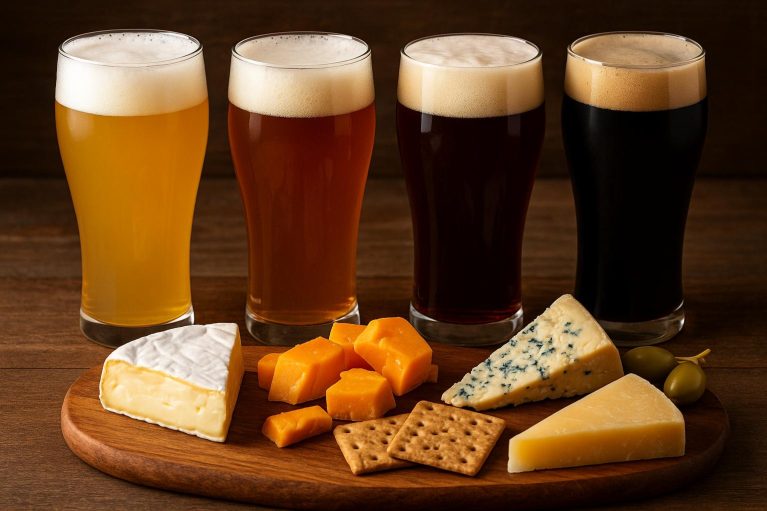
Pale ales, celebrated for their balanced combination of malt and hops, find an ideal companion in cheddar cheese, renowned for its rich sharpness. The slight bitterness from a pale ale artfully complements the aged intensity of cheddar. Seek an American or English pale ale for a thorough matching experience, where the maltiness and hop character provide an ideal counterpoint to cheddar’s boldness.

Stouts and Blue Cheese

The creamy texture and robust flavors of stouts, often characterized by notes of coffee and chocolate, create an excellent counterpart to the strong character of blue cheese. The inherent sweetness of a stout can mellow blue cheese’s pungency, resulting in a harmonious and balanced tasting experience. Consider indulging in combinations involving a dry or oatmeal stout to achieve this exquisite balance.

Wheat Beers and Brie

Wheat beers, with their light, often citrusy notes, offer a refreshing contrast to the creamy, mild characteristics of Brie cheese. The effervescence and subtle acidity of a wheat beer cut through Brie’s richness, providing a palate-cleansing closure. For the best results, opt for a Belgian-style Witbier or American Wheat, where the spice notes and citrus enhancements align perfectly with Brie’s delicate nuances.

IPAs and Aged Gouda

India Pale Ales (IPAs) are notable for their hoppy bitterness, making them a superb match for the nutty and caramel undertones found in aged Gouda. The stark yet complementary contrast in flavors creates a vivid explosion of taste on the palate. To heighten this experience, consider seeking out a West Coast IPA, which offers an intensified hop profile that beautifully highlights Gouda’s complex flavor layers.

Guidelines for Successful Pairing

When crafting your beer and cheese pairings, several guidelines can guide you toward a more refined and pleasurable tasting journey:

Contrast

Aiming for contrast in your pairings can often lead to pleasing combinations. Pairing items that are different in taste, such as a sharp cheese with a sweet beer, can create a balanced tasting menu where the flavors play off each other, not overpowering but complementing through opposites.

Complement

Alternatively, merging similar flavors can amplify the overall tasting experience. For example, pairing a sweet ale with a cheese that also carries sweet notes can result in a synergistic expression where the dominant taste profile is enriched through similarity.

Intensity

Understanding and matching the intensity of both the beer and the cheese is crucial to ensure that neither element overshadows the other. A strong cheese demands a beer with an equally robust profile to meet the challenges of a shared stage. Likewise, a lighter cheese benefits from a similarly delicate beer to avoid being overshadowed.

Conclusion

The marriage of craft beer and cheese represents a delightful journey into flavor exploration, enhancing both personal and collective culinary endeavors. By grasping flavor principles and marrying the right combinations, one can elevate the casual act of consuming cheese and beer into a more nuanced, gratifying, and sophisticated tasting experience. This is not only about enjoying new tastes but about discovering an interaction that brings whole new dimensions to familiar foods, transforming simple consumption into an art form that enlivens the senses and enriches the palate.

The Rise of Local Ingredients in Craft Beer Brewing

The Rise of Local Ingredients in Craft Beer Brewing
Standard

The Growing Trend of Local Ingredients in Craft Beer Brewing

Over the past decade, the craft beer industry has experienced a significant transformation, with breweries increasingly focusing on using local ingredients. This shift reflects broader trends in sustainability, community support, and unique flavor development.

Why Breweries Choose Local Ingredients

The drive toward local sourcing is primarily influenced by the desire to create beer that embodies a sense of place. By using local ingredients, brewers can craft unique flavors that reflect their geographical region. This provides an opportunity to craft a distinctive taste profile that sets their products apart from others using more generic or globally-sourced components.

Furthermore, sustainability plays a crucial role. Locally sourced ingredients often have a lower carbon footprint due to reduced transportation needs. When breweries choose to support local farmers and producers, they are also fostering closer communal ties and contributing to the strengthening of regional economies.

Local Ingredients Transforming Flavor Profiles

One of the major changes brought about by local sourcing in craft brewing is the diversification of flavor profiles. By utilizing locally grown hops, breweries can explore unique flavor combinations that might not be possible with conventional varieties. Additionally, local grains and even native fruits or herbs can lead to the development of innovative beer styles, brimming with characteristics and nuances that express the particular terroir of the region.

For instance, the use of locally sourced grains such as barley or wheat introduces brewers to subtleties in texture and taste that distinguish their beers. Local hop varieties, too, tend to carry flavors that are unique to the soil, climate, and cultivation methods particular to a region. Rarely found elsewhere, these ingredients can turn into the definitive highlights of a recipe. Additionally, local fruits and herbs bring originality and a fresh spin to traditional brewing. These contributions of local ingredients can result in beers that are not only seasonal but também an authentic representation of a brewery’s immediate environment.

Challenges in Using Local Ingredients

While beneficial, using local ingredients is not without challenges. One key issue is the availability and quality consistency of local products. Unlike commercially available ingredients, local sources might have seasonal variations that can affect both brewing schedules and output. Brewers need to develop strong relationships with local suppliers, focusing on collaboration and communication to align expectations. At times, adjustments to recipes might be necessary based on seasonal availability of ingredients. This adaptability can lead to innovation but also requires skilled craftsmanship to maintain the desired beer quality.

Moreover, local sourcing might involve higher costs, impacting the pricing of the final product. It’s no secret that the craft brewing industry operates on narrow margins; the additional cost of locally sourced ingredients poses another challenge. Brewers have to delicately balance these factors to maintain the sustainability of their business while upholding the quality and distinctiveness of their beers. Strategically, some breweries might pass on the increased costs to consumers, who are often willing to pay more for a product that supports local agriculture and offers a unique taste experience.

The Future of Craft Brewing and Local Ingredients

The trend of using local ingredients is expected to grow as consumer interest in sustainability and authenticity increases. This movement aligns seamlessly with the broader food and beverage industry trend that emphasizes traceability and the farm-to-table concept. Craft breweries, recognized for their innovation and community involvement, are undeniably well-positioned to lead the charge in this endeavor.

Looking ahead, brewers may explore deeper collaborations with local farmers, perhaps engaging in joint ventures that focus on developing new varieties of ingredients tailored specifically for brewing. Such partnerships could provide stability in ingredient supply and cost, while introducing new dimensions to the flavors that consumers experience in craft beers. For those interested in exploring this trend further, numerous resources and case studies are available from organizations and local brewery associations. These provide insights into successful partnerships between breweries and local producers. They offer valuable lessons for both new and established brewers looking to incorporate local ingredients into their processes.

Moreover, the emphasis on local ingredients could spur innovations beyond flavors, reaching into packaging and brewing processes. Sustainable practices like using recycled materials and eco-friendly brewing methods might become more prevalent as part of a broader commitment to environmental responsibility. This holistic sustainability approach could attract consumers who are increasingly aware of not just what they consume but how it is produced and its impact on the environment.

The future journey promises exciting developments as brewers continue to navigate the complexities and opportunities provided by local sourcing. As breweries fine-tune their practices to cultivate strong local ties, the synergy between craft beer and local agriculture might birth an era rich in creativity and resilience, laying a robust foundation for the craft beer industry for generations to come.