The Difference Between Wild and Traditional Yeast Strains in Craft Beer

The Difference Between Wild and Traditional Yeast Strains in Craft Beer
Standard

The Role of Yeast in Beer Brewing

In the craft beer industry, yeast plays a pivotal role in fermentation, transforming sugars into alcohol and carbon dioxide. Beyond fermentation, yeast strains significantly affect the flavor, aroma, and character of the final product. Understanding the difference between wild and traditional yeast strains is crucial for any craft beer enthusiast or brewer.

Traditional Yeast Strains

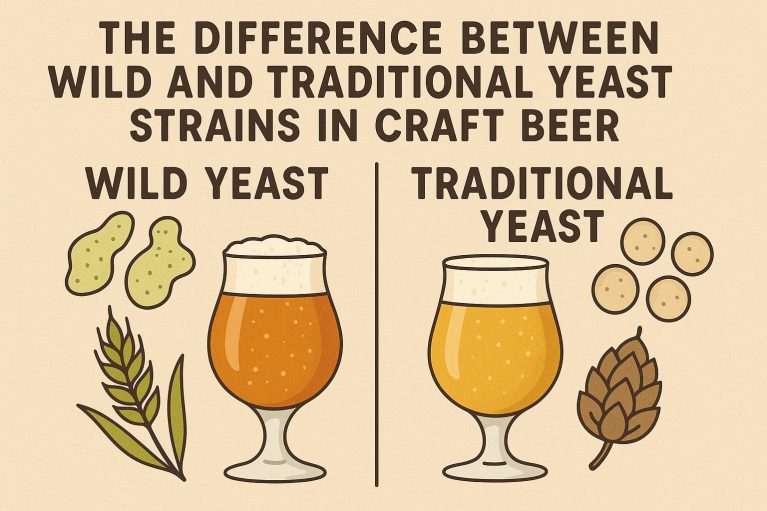
Traditional yeast strains, often categorized under the species Saccharomyces cerevisiae, are commonly used in controlled brewing environments. These yeasts are selected for their consistency and reliability, crucial traits for producing beer with predictable flavors and stable quality. Such strains are cultivated and propagated under controlled conditions, allowing brewers to fine-tune their brewing processes to achieve desired flavor profiles.

Characteristics of Traditional Yeast

Traditional yeast strains are known for several defining characteristics that have made them a staple in breweries across the world. Firstly, predictability is one of their most valued attributes. When a brewer uses a traditional yeast strain, they can expect consistent results, essential for maintaining uniformity across different batches of beer. This predictability ensures that consumers receive the expected taste and quality in every sip.

Another crucial characteristic is flavor production. Traditional yeasts contribute to a well-balanced and clean beer profile, often characterized by subtle ester and phenolic production. These flavor compounds can impart hints of fruitiness or spice, rounding out the beer’s profile without overwhelming it. This balance is ideal for numerous beer styles where the malt and hop flavors should be prominent but not overshadowed by yeast-derived flavors.

Furthermore, traditional yeast strains are known for their speed and efficiency during fermentation. These strains typically ferment faster than their wild counterparts, reducing production time and increasing yield. This efficiency allows breweries to produce more beer in less time, optimizing their operations and maximizing their equipment’s utility.

Wild Yeast Strains

Contrasting traditional strains, wild yeast strains introduce an element of unpredictability in brewing. Wild yeast strains are often associated with spontaneous fermentation processes. These yeasts include both wild types of Saccharomyces and non-Saccharomyces varieties such as Brettanomyces. Used in the production of sour beers, lambics, and other innovative styles, wild yeasts thrive in open or mixed fermentations and contribute to complex flavor profiles.

Characteristics of Wild Yeast

Wild yeasts are characterized by the complexity they bring to the beer they ferment. Their fermentations can result in intricate flavors and aromas, often including fruity, funky, and sour notes. These distinctive profiles are beloved in specific beer styles, such as farmhouse ales, where complexity is a virtue.

However, with complexity comes unpredictability. The fermentative behavior of wild yeasts varies considerably, leading to unique and less reproducible brews. This unpredictability can be a double-edged sword for brewers. On one hand, it allows for the creation of unique and one-off beers that can be highly sought after by aficionados. On the other hand, it poses challenges in maintaining consistency, which is key in commercial brewing.

Lastly, wild yeast fermentations often involve extended fermentation times. Unlike traditional strains that complete fermentation in a matter of days or weeks, wild strains may require months or even years to fully mature. This extended duration allows for a gradual development of flavors, often resulting in deep, layered taste experiences that evolve over time.

Implications for Craft Brewing

The craft brewing industry is characterized by innovation and diversity, where experimentation with ingredients and processes results in a wide array of beer styles. The choice between wild and traditional yeasts is not a question of quality but rather of creative intent. Traditional yeast strains are ideal for standard beer styles requiring consistency, enabling brewers to meet expectations for popular styles like pale ales, lagers, and IPAs.

Conversely, wild yeasts offer a dynamic option for brewers looking to push the boundaries of flavor. They provide the foundation for more unconventional styles like sours, lambics, and farmhouse ales, where unpredictability and complexity are appreciated. Each approach has its place within the diverse landscape of craft beer, catering to different palates and brewing philosophies.

Understanding the nuances of these yeast types is crucial for any brewer or enthusiast wishing to explore the full potential of beer production. Traditional and wild yeast strains each bring distinct advantages, and the decision to use one over the other depends heavily on the specific goals of the brewing endeavor.

Conclusion

In conclusion, whether brewers opt for the reliability of traditional yeasts or the adventurous path of wild strains, the potential for crafting innovative beer experiences is vast. Each strain type contributes uniquely to the art and science of brewing, enhancing the ever-evolving tapestry of beer flavors available today. Brewers who master the use of both types of yeasts can enjoy a wide palate of options, crafting beers that can range from the crisp and straightforward to the multi-dimensional and surprising. The continued exploration of yeast’s role in brewing promises to further enrich the diversity and complexity of offerings in the craft beer scene, inviting beer lovers to continually discover and enjoy new flavors and styles.

The Role of Barrel-Aged Stouts in Craft Beer Culture

The Role of Barrel-Aged Stouts in Craft Beer Culture
Standard

The Emergence of Barrel-Aged Stouts in Craft Beer Culture

Barrel-aged stouts have increasingly become a cornerstone of the craft beer movement, drawing both enthusiasts and brewers with their intricate flavors and unique aging processes. These distinctive beers garner attention through their aging in barrels that previously contained spirits such as bourbon, whiskey, or rum. This method imparts distinct flavors that set them apart from non-barrel-aged stouts.

Understanding the Barrel-Aging Process

To begin appreciating barrel-aged stouts, one must understand the process that defines them. Typically, the procedure starts with selecting a stout, a beer known for its dark appearance and rich flavor profile. Stouts are inherently robust, offering a perfect canvas for further enhancement through barrel aging. The selection of barrels plays a crucial role, as brewers aim to choose those that enhance and complement the stout’s existing flavors.

Once the chosen stout is placed in barrels, it enters a phase of transformation that can range from several months to even a few years. Throughout this aging period, the beer absorbs flavors from both the remnants of the barrel’s former contents and the wood itself. Common tasting notes include vanilla, oak, caramel, and even smokiness. Each note contributes layers of complexity to the beer, enriching the original stout.

Impact on Flavor Profile and Complexity

The aging process bestows upon the stout a strikingly intricate flavor profile, which is a product of the interactions taking place within the barrel. These interactions prompt chemical reactions where the beer absorbs tannins and other flavorful compounds from the wood, as well as any residual spirits that linger in the barrel. The resulting concoction is a symphony of balanced sweetness, bitterness, and a warming alcoholic finish, all enhanced by the aging. This balance appeals particularly to individuals who appreciate the nuance and depth often found in craft beers.

The development of flavors within barrel-aged stouts is not static; rather, it is dynamic and continues to evolve even after bottling, much to the delight of those who treasure diverse and evolving taste experiences.

Contribution to Craft Beer Innovation

Barrel-aged stouts symbolize a fascinating blend of tradition and innovation in the craft beer industry. The traditional aspect is evident in the technique of aging, which harks back to historic brewing methods. However, modern brewers infuse innovation by experimenting with an array of barrel types and varying aging durations. Through these experiments, brewers craft limited-edition releases that generate anticipation and excitement among beer enthusiasts and collectors.

The innovation shown in barrel-aging practices enables breweries to distinguish themselves within the increasingly crowded craft beer market. It is a platform for showcasing their creativity and expertise, ultimately contributing to the growth and diversification of the craft beer industry itself.

The Collector’s Appeal

For many, barrel-aged stouts are considered collector’s items, appreciated as much for their scarcity as for their distinctive and evolving flavors. Limited availability of these unique beers enhances their appeal, making them highly coveted among serious collectors and beer aficionados alike. The flavor profiles of these stouts are not static but rather continue to evolve over time, similar to fine wines.

Some collectors purchase these stouts with the intention of cellaring them, allowing further development in flavor and character. This practice of cellaring requires both patience and an understanding that the beer will undergo significant transformations while stored, potentially revealing new depths of taste and complexity over the years.

The rise of barrel-aged stouts within craft beer culture underscores a growing appreciation for traditional techniques married with contemporary creativity. They continue to captivate those in search of bold and distinctive beer experiences by reflecting the dynamic nature of craft beer itself. For more insights into craft beer trends, feel free to visit Craft Beer, a resource that delves deeper into the fascinating world of craft brewing.

In conclusion, barrel-aged stouts stand as a testament to the innovative spirit that defines the craft beer industry. Through the combination of a robust stout base, the careful selection of aging barrels, and meticulous aging processes, brewers produce beers that are not only delicious and complex but also tell a story of transformation. As craft beer continues to grow and evolve, barrel-aged stouts will likely maintain their status as a cherished staple among enthusiasts and a symbol of the innovation and creativity that permeates the world of craft brewing.

The Impact of the COVID-19 Pandemic on Craft Breweries

The Impact of the COVID-19 Pandemic on Craft Breweries
Standard

The Early Challenges Faced by Craft Breweries

The onset of the COVID-19 pandemic marked a tumultuous period for craft breweries around the world. As the virus spread, government-imposed lockdowns and social distancing measures were implemented in an attempt to control the outbreak. These measures, although necessary for public health, had profound effects on various industries, and craft breweries were no exception. The closures of bars, restaurants, and taprooms, which were the primary distribution channels for many small breweries, wreaked havoc on their business operations. According to data from the Brewers Association, these restrictions resulted in an immediate and unprecedented drop in on-premise sales, severely affecting their revenues.

Supply Chain Disruptions

The pandemic’s impact extended beyond just the closure of physical distribution venues, as it also disrupted the supply chains that craft breweries heavily relied upon. The interconnected nature of global trade meant that disturbances in one region could have cascading effects worldwide. Breweries faced challenges sourcing essential ingredients, including hops and malt, which are crucial for beer production. Additionally, packaging materials such as bottles and cans became scarce, complicating the production process further. Various factors contributed to these supply chain disruptions, including labor shortages, transport restrictions, and delays in shipping, all of which compounded the difficulty in maintaining consistent production schedules and resulted in increased costs for breweries.

Adaptations in Business Models

Faced with these unprecedented challenges, craft breweries were compelled to find innovative solutions to sustain their operations. A noticeable shift in business models emerged as many breweries pivoted towards direct-to-consumer sales, which became a lifeline for survival. This transition saw breweries embracing online sales and offering home delivery options to continue reaching their customer base despite the ongoing restrictions. Collaborations with local delivery services also became a common strategy to enhance their distribution efficiency.

The necessity of adapting to digital platforms quickly became apparent. Virtual tastings and events emerged as alternatives to traditional in-person experiences, allowing breweries to maintain engagement with their customers. Breweries increasingly utilized social media to connect directly with consumers, promoting new releases and providing virtual tours of their facilities. This digital shift not only kept consumers engaged but also opened up new opportunities for reaching audiences beyond their immediate geographical areas.

The Role of Government Support

Recognizing the substantial economic impact of the pandemic, governments worldwide implemented various support measures aimed at aiding small businesses, including craft breweries. These initiatives played a crucial role in helping many breweries navigate financial challenges and sustain their operations. Programs such as paycheck protection and loan deferrals provided essential financial relief by enabling breweries to maintain payrolls and cover operating expenses during times of reduced income. In some regions, temporary regulatory changes also allowed breweries to offer takeaway beverages and extend their delivery zones, providing additional avenues for revenue.

Long-Term Implications

Even as the immediate effects of the pandemic begin to subside, its influence on the craft brewery industry is expected to have lasting implications. One notable change is the shift in consumer preferences, with many customers developing a preference for home delivery and takeout options during the pandemic. This shift has led breweries to adopt a multi-channel distribution approach, balancing between the traditional on-premise sales at bars and taprooms and the newer direct-to-consumer models that emerged during the pandemic.

Furthermore, the accelerated adoption of e-commerce platforms has become an integral part of the industry’s transformation. Breweries have recognized the importance of maintaining a robust online presence, which is now indispensable for marketing and sales strategies. This digital transformation has not only changed how breweries engage with customers but also influenced how they position and brand themselves in an increasingly competitive market.

Conclusion

In conclusion, the COVID-19 pandemic posed a multitude of challenges for craft breweries worldwide. The constraints of social distancing, the closure of key distribution channels, and significant supply chain disruptions tested the resilience and adaptability of these businesses. However, the ability to innovate and adapt quickly became instrumental in their survival, as evidenced by the swift embrace of new business models and digital platforms.

As the industry continues to evolve in the post-pandemic landscape, craft breweries are poised to remain a vital component of the broader food and beverage sector. They play an important role not only in local economies but also in shaping the cultural identity of the regions they inhabit. By learning from the challenges faced and changes implemented during the pandemic, craft breweries can continue to thrive and contribute uniquely to their communities. For more detailed insights and information on how craft breweries have adapted during these challenging times, consider visiting the Brewers Association’s official website.

The History and Revival of Ancient Beer Styles in Craft Brewing

The History and Revival of Ancient Beer Styles in Craft Brewing
Standard

The Origins of Ancient Beer Styles

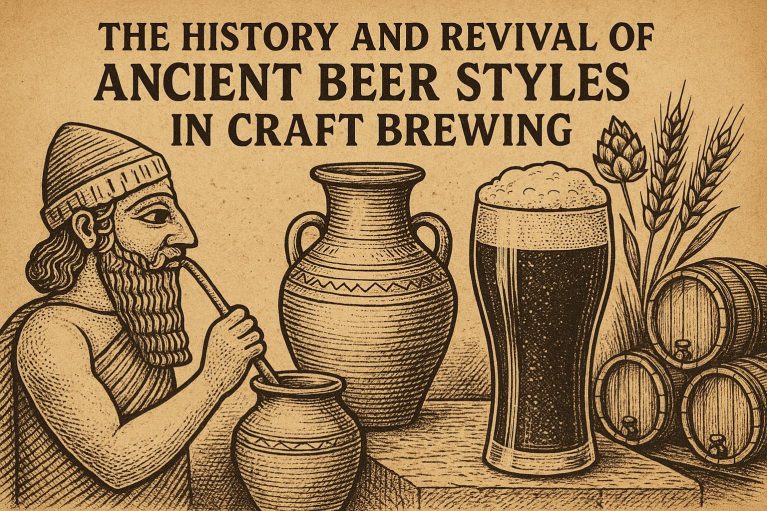
Beer constitutes one of the oldest-known prepared beverages, with a history dating back thousands of years. Archaeological evidence suggests that beer was brewed as early as 7,000 BC in present-day Iran. From an anthropological perspective, the practice of brewing beer emerged in various ancient civilizations, most notably with the Sumerians and Egyptians, who refined their techniques into an art form. Beer was not merely a beverage in these societies; it held cultural, religious, and social significance, becoming an integral part of daily life and ceremonial occasions.

The Sumerians: Pioneers of Beer Brewing

The ancient Sumerians are often credited as some of the earliest record-keepers of beer brewing. The “Hymn to Ninkasi,” a poetic work dedicated to the goddess of beer, serves as both a tribute and a practical guide for brewing. This document highlights how intertwined beer was with the spiritual and social life of the Sumerians. The hymn also functions as an instructional piece, combining spirituality with the brewing process, indicating the importance of beer in Sumerian culture.

Beer in Ancient Egypt

In a parallel narrative, Egyptian hieroglyphs and artifacts reveal a society where beer was a staple, consumed across all social strata and employed in religious offerings. The Egyptians were known for widespread beer consumption, with breweries often sponsored by temples and beer being offered to gods as a part of daily religious rites. The pervasive nature of beer in Egypt underscores its essential role in both sustenance and spirituality.

Key Ingredients and Brewing Methods

Ancient beer styles significantly diverged from today’s more refined and technologically advanced brewing methods. The primary grains utilized were barley and emmer wheat, each contributing to the distinct flavor profiles of ancient beers. Fermentation processes were basic, relying on natural yeast present in the environment for fermentation. This resulted in a beverage that was often cloudier and less carbonated than modern beers.

Emmer Wheat and Barley in Beer Production

Both emmer wheat and barley were key ingredients in ancient beer production. These grains were not just staple food sources but also pivotal in brewing. The choice of grain directly influenced the taste, imparting earthy and nutty undertones distinct to ancient brews. Unlike contemporary beers that are frequently associated with the bitter flavor imparted by hops, ancient beers were more likely to have a muted and rustic profile, shaped by the character of the grains used.

Wild Fermentation Techniques

Wild fermentation played a crucial role in the brewing of ancient beers. Unlike modern brewing, which utilizes controlled yeast strains for consistency and predictability, ancient brewers relied on open fermentation with natural, airborne yeasts. This method introduced a natural complexity and variability to each batch, dependent on the environment and climate conditions.

Revival of Ancient Beer Styles in Modern Craft Brewing

The rise of the craft brewing industry has triggered a renewed interest in the exploration and resurrection of ancient beer styles. Modern brewers investigate historical documents and archaeological findings to reimagine these ancient recipes within the context of contemporary brewing.

Recreating Historical Recipes with Modern Techniques

The recreation of ancient beers involves a blend of historical research and modern innovation. Brewers today meticulously study historical texts, such as the “Hymn to Ninkasi” and other archaeological discoveries, to gather information about traditional brewing methods. The primary focus is to respect the authenticity of the original style while integrating modern production standards to ensure safety and quality.

Incorporation of Spices and Herbs in Beer

Ancient beers frequently used spices and herbs either to replace or complement hops, which were not as prominently used in early brewing. Ingredients like coriander, juniper, and various fruits were commonplace, adding a unique spectrum of flavors to ancient brews. In modern craft brewing, there is an experimental enthusiasm for these unconventional ingredients, offering a broader sensory experience and a fresh take on age-old practices.

Ancient Grains in Modern Brews

In addition to spices, the revival of ancient grains like emmer wheat and barley is gaining traction among craft brewers. These grains are being reintroduced, allowing for the creation of beers that not only mirror the flavors of bygone eras but also cater to modern-day consumer curiosity and appreciation of historical authenticity.

The Impact of Ancient Beer Styles on the Craft Beer Market

The integration of ancient beer styles has notably expanded the craft beer landscape, offering consumers unique choices beyond the realm of traditional lagers and ales.

Enriching the Craft Beer Experience

The exploration and revival of ancient beer styles have introduced a narrative dimension to the craft beer experience. Consumers not only enjoy unique flavors but also engage with the stories and histories embedded in these ancient recipes. This experience enhances consumer connection and provides an educational journey into the long history of brewing.

Balancing Tradition and Innovation

The craft beer market thrives on its ability to balance innovation with a tribute to tradition. Beers inspired by ancient recipes satisfy a dual consumer interest: a taste for new and unique flavor profiles, and a fascination with historical and artisanal narratives. This trend mirrors a larger societal interest in products that emphasize craftsmanship, heritage, and quality.

The Role of Breweries in Preserving Brewing Heritage

By participating in the revival of ancient beer styles, craft breweries play a crucial role in preserving the historical and cultural heritage of brewing. These endeavors promote appreciation for the ancient art of brewing while also encouraging modern brewing practices to evolve.

Cultural and Historical Education Through Beer

The enthusiasm for ancient beer styles has also sparked collaborative efforts with archaeologists and historians, resulting in a richer understanding of brewing’s impact on human civilization. For consumers, each sip of an ancient-inspired brew becomes a tasting journey through history, connecting the modern palate with the ancient world.

In conclusion, the resurrection of ancient beer styles by the craft brewing industry demonstrates a fascinating interweaving of historical curiosity and modernity. By delving into and recreating the origins of beer, modern brewers are not only keeping historical traditions alive but also pushing the boundaries of contemporary beer production. This harmonious blend of past and present continues to enrich the ever-expanding world of beer, cementing its place as both an ancient art and a modern craft.

The Best Craft Beers for Hot Summer Days

The Best Craft Beers for Hot Summer Days
Standard

Understanding Craft Beer

Craft beers are typically produced by smaller, independent breweries with an emphasis on quality, flavor, and brewing techniques. Each craft beer can have its own unique blend of ingredients and styles, making it a favorite among beer enthusiasts. The allure of craft beer often lies in the vast diversity of flavors and aromas that these specialized brews offer, which can range from hoppy and bitter to sweet and malty. These independent breweries focus heavily on the art and science of brewing, often experimenting with non-traditional ingredients to create distinctive and full-flavored beers, characterizing the innovative spirit of the craft beer community.

Characteristics of a Summer Beer

During hot summer days, refreshing and lighter beer styles tend to be more appealing. These beers are crafted to quench thirst and offer revitalizing flavors that enhance the enjoyment of warm weather. Such beers are often designed with specific characteristics in mind:

Light-bodied: These beers are easier to drink, with a generally lower alcohol content, so they are perfect for sipping over an extended period without overwhelming the senses. Light-bodied beers tend to have a thinner mouthfeel, often characterized by their refreshing and palatable nature.

Flavorful yet Subtle: Summer beers focus on refreshing notes such as pear, apple, melon, or stone fruits, striking a harmonious balance between sweet and tart.

Fruity or citrusy: Infused with fruit flavors or hops that provide a citrusy finish. The inclusion of fruits like oranges, lemons, and limes adds a sweet-tart edge that is both invigorating and intriguing. These flavors often lend a tropical flair, which is particularly appealing during the summer months.

Well-carbonated: This adds a refreshing and crisp sensation. The effervescence enhances the drinking experience, offering a cooling effect that is ideal for warm weather.

A Selection of Suitable Craft Beer Styles for Summer

With the distinctive touch that craft beers bring, beer enthusiasts have a cornucopia of styles to choose from to fit their summer palate. Craft beer styles are often categorized by flavor profiles, ingredients, and brewing techniques, making some particularly suited for summer enjoyment.

Hefeweizen

Hefeweizen is a traditional German wheat beer known for its cloudy appearance. The yeast used in its fermentation process contributes banana and clove notes, providing a naturally sweet and spicy character. The higher wheat content generates a smooth mouthfeel that makes it immensely popular in the summer months. Its light and fruity taste, sometimes enhanced with lemon, make it a perfect summer drink that is both refreshing and satisfying.

Pale Ale

Pale ales, particularly those with citrusy hops, can be very refreshing. They offer a balance of malt and hop flavors, making them neither too bitter nor too sweet. The toasty malt base complements the floral hop aromas, creating a complex flavor profile that is both accessible and exciting. Many breweries now produce summer-specific pale ales with fruit infusions like grapefruit, apricot, or passion fruit, giving these beers an added layer of flavor that delights the senses.

Session IPA

Session IPAs offer the hoppy taste of an IPA but with lower alcohol content. They’re crafted to be enjoyed over longer periods, which is ideal when spending a day at a summer event. These beers often have tropical and citrus notes, typically derived from American or New World hops, making them juicy and aromatic. Session IPAs strike a delicate balance, maintaining the hop-forward character of a traditional IPA, while ensuring drinkability and a relaxed drinking experience.

Saison

Originally developed in Belgium, Saisons are a farmhouse-style ale that is often spicy and fruity. Known for their hay-like earthiness and peppery finish, Saisons tantalize the taste buds with their complex and layered flavors. They are well-carbonated and typically dry, contributing to a refreshing quality that provides relief on hot days and pairs perfectly with seasonal summer dishes such as grilled seafood and barbecue.

Popular Craft Breweries to Explore

Craft breweries around the globe are dedicated to producing quality beers that reflect their unique brewing practices. Some breweries have excelled in gaining recognition for their summer beers, with offerings that have become household names:

Lagunitas Brewing Company: Known for its wide range of hoppy beers. Lagunitas has made a name for itself with its iconic hop-forward creations that epitomize West Coast brewing. Their innovative approach often showcases bursts of citrus and pine.

Dogfish Head Brewery: Offers a variety of innovative and flavorful options. Famous for its off-centered ales, Dogfish Head continuously pushes the boundaries with eclectic ingredients and bold flavors that draw from culinary inspirations and unique brewing techniques.

Sierra Nevada Brewing Co.: Renowned for their pale ale and unique seasonal offerings. With sustainable practices and a commitment to quality, Sierra Nevada produces beers that marry traditional methods with modern sensibilities, delivering consistent and highly praised brews.

Conclusion

Hot summer days call for beers that are not only refreshing but also bursting with flavor. Craft beer provides a wide variety of options that cater to individual tastes while ensuring that the drink is enjoyable and perfect for the season. These craft beers deliver not just on flavor but on innovation and craftsmanship, making them a standout choice for any summer gathering.

Whether it’s the fruity and slightly spicy notes of a Hefeweizen or the hop-forward but sessionable nature of a Session IPA, there’s a craft beer to complement any summer activity. As bustling beer gardens, relaxing picnics in the sun, or friendly backyard barbecues beckon, having the right summer craft beer enhances the experience and makes it memorable. As the craft beer movement continues to grow, summer represents not just a season but an opportunity to explore new flavors and discover the perfect beer to accompany the warm days and sublime evenings.

How to Build the Perfect Craft Beer Flight

How to Build the Perfect Craft Beer Flight
Standard

Understanding Craft Beer Flights

Craft beer flights are an engaging way to explore a variety of beer flavors and styles in one sitting. By allowing consumers to sample multiple small servings, typically around 4 to 6 ounces each, they provide a comprehensive tasting experience. This guide offers an in-depth exploration of how to create a well-rounded and appealing craft beer flight.

Selecting Beer Styles

The essence of crafting the perfect beer flight lies in the diversity of the selection. Choosing a wide range of beer styles ensures that different aspects of craft beer are represented, making the flight more enjoyable and educational for the consumer.

Pale Ales and IPAs: These beers are known for their strong hoppy aroma and bitterness, serving as a great starting point for a craft beer flight. Given the wide range of IPAs available—from hazy New England styles to crisp West Coast varieties—they can offer significant contrast within the flight itself.

Stouts and Porters: Characterized by their dark color and rich, roasted flavors, stouts and porters often include variations with chocolate or coffee notes, making them a decadent addition to any flight.

Belgian Styles: With their complex yeast characteristics, Belgian beers introduce depth and a unique flavor profile. From fruity saisons to spicy tripels, they add an intriguing element to the flight.

Sours and Wild Ales: Sours provide a tangy, refreshing quality that can stand out in a flight. Including these styles broadens the taste experience by presenting a sharp contrast to more traditional beer profiles.

Lagers: A lighter, crisper beer such as a lager acts as a perfect contrast to heavier ales. They offer a refreshing palate cleanser within the tasting lineup.

Balancing the Selection

It’s important to maintain a balanced selection within the flight to avoid overemphasis on any single style. A well-curated mix helps cleanse the palate between tastings, thereby heightening the overall sensory experience. Balance in flavor and color variety will cater to a range of preferences and expand the taster’s appreciation for the craft.

Arranging the Flight Order

The sequence of the beers plays a crucial role in influencing the tasting experience. It’s generally advisable to arrange them from lighter to heavier flavors to prepare the palate gradually for the increasing intensity of taste.

Start with lighter beers: Commence with lagers or lighter ales. This gentle introduction sets the stage for handling more complex flavors that follow.

Follow with medium-bodied beers: Midway through the flight, incorporate wheat beers or pale ales, which offer moderate bitterness and greater depth of flavor than the initial offerings.

Introduce darker beers: Transition to robust stouts and porters, which feature more substantial roasted flavors, offering a satisfying richness that stands out.

End with sours: Conclude with sours or any high-ABV (Alcohol by Volume) beers, known for saturating the palate. Serving them last allows for their lingering flavors to be appreciated without overwhelming subsequent beers.

Pairing with Food

An effective way to elevate the beer tasting experience is by pairing each selection with suitable foods. Light lagers pair excellently with salty snacks like pretzels, which can amplify their crispness. Conversely, the richness of stouts finds a perfect partner in chocolate or hearty meat dishes, enhancing their robust flavor notes. These small bites complement the beers, making the tasting session not only more engaging but also more memorable.

Promoting the Experience

Offering craft beer flights can serve as a compelling attraction in any setting. To enhance the educational aspect, provide detailed tasting notes alongside each beer, explaining elements such as flavor profiles, aromas, and ingredient origins. By directing enthusiasts to additional resources, such as online platforms with insights into beer styles and pairing tips, venues can deepen consumer engagement. For example, platforms like *CraftBeer.com* offer a wealth of information that enriches the tasting experience, guiding both novices and seasoned beer lovers in expanding their knowledge base.

Incorporating these elements transforms a simple beer tasting into a more profound experience, providing consumers with an educational journey through the diverse world of craft beers. By offering variety, balancing selections, carefully arranging the order, thoughtfully pairing with food, and fostering an informative environment, beer tastings can resonate more deeply, leaving a lasting impression on all participants.

The Importance of Independent Brewery Certifications

The Importance of Independent Brewery Certifications
Standard

The Rise of Independent Breweries

The craft beer industry has experienced significant growth over the past decade, with independent breweries playing a pivotal role in diversifying the beer market. As more breweries emerge, consumers are becoming more discerning, often seeking out beers produced by independent, locally owned establishments. This trend underscores the importance of proper certification for independent breweries, which helps consumers make informed decisions.

Independent breweries have disrupted the traditional beer market, which has long been dominated by major corporations and their mass-produced offerings. The shift toward craft beer began as a grassroots movement, driven by beer enthusiasts seeking unique flavors and brewing techniques that were not found in mainstream beer products. This shift has been supported by growing public interest in artisanal and locally sourced products, reflecting broader consumer trends favoring sustainability and quality.

Understanding Independent Brewery Certifications

Independent brewery certifications are designed to authenticate the status of a brewery as independent, ensuring that the establishment is not affiliated with large industrial beer corporations. These certifications provide transparency in the industry, allowing consumers to distinguish between craft beer and products influenced by major beer producers.

The need for such certifications has grown alongside the craft beer movement. As the number of independent breweries has increased, so has the complexity of the market. Consumers face a bewildering array of choices, making it challenging to identify which beers truly embody the independence and artisanal quality they seek. Certifications serve as a guidepost, helping consumers navigate their options with confidence.

What Defines an Independent Brewery?

For a brewery to be considered independent, it typically needs to meet certain criteria:

  • The brewery must have a relatively small production output, often defined by producing less than a certain number of barrels annually.
  • The ownership and operational control of the brewery should be independent of large-scale alcoholic beverage producers, which means the brewery itself or allied craft brewers should maintain a majority stake.

The definition of what constitutes an “independent” brewery can vary depending on the certifying body, but common factors include production limits and ownership structures. A key emphasis is placed on maintaining creative and operational autonomy away from larger, commercially driven entities. This independence is considered essential to preserving the integrity and innovation that characterize craft brewing.

The Benefits of Certification

Transparency and Trust: Certifications create a standardized measure of independence, aiding consumers in identifying authentic craft beers. This transparency builds trust between the breweries and their customer base. Consumers can be reassured that they are supporting genuinely independent enterprises, which often have strong ties to their local communities.

Marketing Advantage: Certified independent breweries can distinguish their products in a crowded market, using their certification as a marketing tool. This can attract consumers who prioritize supporting local and independent businesses. With certification, brewers can effectively communicate their commitment to quality, creativity, and community, appealing to consumers who value these aspects.

How Certifications Impact the Market

The influence of certifications extends beyond brand recognition:

  1. They encourage fair competition among brewers by leveling the playing field for small-scale operations against larger entities.
  2. Consumers’ growing preference for certified products supports the sustainability of independent breweries, contributing to the economy and providing job opportunities.

Certifications play a vital function in supporting the economic ecosystem around craft brewing. By offering a means for consumers to identify and support independent breweries, certifications help to ensure that small-scale brewers can compete on more equal terms with larger corporations, which have substantial marketing and distribution advantages.

The broadened consumer interest in authentic, certified craft beers also translates into economic gains for local communities. Independent breweries often source ingredients locally and contribute to regional supply chains, fostering economic activity and providing employment within their communities. This locality-centric model not only enhances the appeal of the breweries but also adds tangible economic benefits at a time when many consumers are seeking to bolster their local economies.

Challenges in Certification

Despite the benefits, achieving certification is not without challenges:
Costs and Administrative Work: Acquiring certification requires time and resources, which can be burdensome for small breweries with limited staff.

The process of obtaining certification can be intricate and resource-intensive, posing significant challenges for brewery owners who must juggle day-to-day operations with compliance efforts. The costs — both financial and administrative — can be considerable, requiring a commitment to documenting processes and conforming to certification standards.

However, for many independent breweries, these challenges are offset by the long-term benefits that certification can bring. Those who persevere often find that the credibility and market differentiation afforded by certification substantially outweigh the initial costs and efforts.

Conclusion

In an era where consumers are increasingly discerning about the origins and authenticity of the products they consume, independent brewery certifications play a crucial role. They not only serve as a mark of quality and integrity but also protect the interests of small, craft breweries against larger competitors. As the craft beer industry continues to expand, the significance of these certifications will likely grow, promoting a more transparent and equitable marketplace.

The future of independent brewery certifications looks bright, as more consumers continue to show interest in engaging with and supporting their local food and beverage ecosystems. Certifications are anticipated to evolve alongside the industry, addressing new challenges and reflecting ever-changing consumer priorities. The ongoing success of independent brewing will likely rely on a continued emphasis on authenticity, quality, and community engagement, with certifications playing an instrumental part in supporting these goals.

For more information on independent brewery certifications, you might consider visiting specialized resources like the Brewers Association.

The Influence of Local Water Profiles on Craft Beer Taste

The Influence of Local Water Profiles on Craft Beer Taste
Standard

The Impact of Water Composition on Craft Beer Taste

Craft beer has emerged as a significant trend within the beverage industry, captivating an increasing number of enthusiasts who are drawn to its diverse and intricate flavors. While many elements contribute to the unique taste of a craft beer, an often overlooked yet crucial factor is the composition of the local water used during the brewing process. Given that water constitutes approximately 90-95% of beer, its chemical makeup can greatly influence the beer’s taste, aroma, and mouthfeel.

Understanding Water Profile Components

Water used in brewing is not merely H2O; it contains various minerals that collectively form what is known as the water profile. This profile includes substantial contributions from several key mineral components, each playing a distinct role in the brewing process.

Calcium is an essential mineral that aids in stabilizing the water profile. It contributes to the beer’s flavor and clarity and plays a significant part in the coagulation of proteins during the boiling phase, resulting in clearer beer.

Magnesium, though needed in relatively low quantities, is crucial for the proper metabolism of yeast during fermentation. However, if present in excess, it can impart an undesirable bitter taste to the beer.

Bicarbonate influences the pH level of the beer, which can significantly affect the flavor profile. High levels of bicarbonate can lead to harsh-tasting notes, making it especially important in crafting stouts and porters that typically use darker malts.

Sulfate primarily accentuates the bitterness of hops and imparts a dry finish to the beer. This characteristic is especially favorable for brewing hoppy beer styles such as India Pale Ales (IPAs).

Sodium can enhance the sweetness and roundness of a beer’s flavor profile but must be carefully controlled to avoid overpowering the overall taste.

Chloride has a role in enhancing the fullness and stability of the beer. It amplifies the malt sweetness, which is preferable in malt-forward styles, including stouts and brown ales.

Regional Water Profiles and Historical Beer Styles

The history of beer is intimately tied to the geographic regions where it was first brewed. This connection is largely due to the natural mineral content of local water sources, which profoundly influenced traditional brewing practices. Certain regional beer styles owe their distinct traits to these unique water profiles.

For example, the water in Burton-upon-Trent, England, is renowned for its high sulfate content, which has historically contributed to the characteristic bitterness of the traditional India Pale Ale. On the other hand, the water in Pilsen, Czech Republic, is notably soft and low in minerals. This composition was pivotal in developing the Pale, crisp lagers that eventually evolved into Pilsners.

Adapting Water Profiles in Modern Brewing

In contemporary brewing, technological advancements have liberated craft brewers from the constraints of using only their native water profiles. Modern brewers often employ water treatment techniques, such as reverse osmosis, to strip water of its minerals, creating a neutral base, often described as a “blank slate.” This neutral foundation can then be adapted to reproduce any desired water profile, allowing for the authentic crafting of a wide array of beer styles, independent of the local geographic conditions.

The ability to adjust water chemistry not only empowers brewers to recreate traditional beer styles but also encourages creative experimentation. By fine-tuning the mineral content, brewers can manipulate hop bitterness, enhance malt sweetness, or create a balanced profile that best represents their vision for a specific beer style. This process adds a layer of creativity and personalization that is characteristic of the craft beer movement.

The Importance of Water in Craft Beer

For both brewers and consumers, recognizing the impact of local water profiles on the taste and overall quality of craft beer can enhance the appreciation of this widely celebrated beverage. Brewers who grasp the nuances of water chemistry can make well-informed decisions regarding how to adjust these elements during brewing to achieve intended flavors and styles. Meanwhile, consumers gain a deeper understanding of the unique attributes that different water profiles contribute to their favorite craft beers, adding another dimension to their tasting experience.

For those keen on further exploring how water chemistry influences beer flavor and brewing techniques, numerous resources are available. Brewing associations often provide educational materials, and workshops focusing on beer tasting and brewing can offer invaluable insights. Engaging with these educational opportunities helps to deepen one’s appreciation for the intricate blend of science and artistry that underpins the craft beer industry.

How to Start a Craft Beer Blog or Review Website

How to Start a Craft Beer Blog or Review Website
Standard

Introduction to Craft Beer Blogging

Starting a craft beer blog or a review website offers a unique blend of indulging in a passion for craft beer while providing valuable insights to an interested audience. As more beer enthusiasts seek information about craft brews, your platform can serve as a trusted guide. This guide outlines the essential steps to establish a strong and successful presence in the craft beer niche where your voice can resonate with aficionados and casual drinkers alike.

Choose Your Niche

Before diving into content creation, choosing a specific niche within the expansive craft beer world is fundamental. Specializing allows you to carve out a unique identity for your blog, helping it stand out in a crowded digital landscape. Popular niches include diving deep into local craft beer scenes, exploring various homebrewing techniques, offering beer pairing recommendations, or even documenting brewery tours. You need to identify what aspect of craft beer excites you the most and channel your focus there. A targeted approach can draw in dedicated followers who share your passion.

Set Up Your Website

The next step involves setting up a robust online platform where your beer musings can flourish. Choosing the right platform is crucial. Content Management Systems (CMS) such as WordPress are preferred for their user-friendly interface and extensive customization capabilities, which can help you tailor the site to your brand and audience. After selecting a platform, choose a memorable domain name that reflects your niche and brand identity. Invest in reliable hosting services to ensure that your website is fast, responsive, and capable of handling the increased traffic as your audience grows. A well-designed, easy-to-navigate site enhances user experience and encourages visitors to return.

Create Quality Content

At the heart of your blog is the content; it’s what keeps readers coming back for more. High-quality content should be engaging, informative, and valuable to your audience. It includes a variety of formats such as articles, detailed reviews, and multimedia elements like videos or podcasts. This diversity in content can cater to different preferences in your audience, broadening your reach. It’s important that each piece is meticulously fact-checked and offers new insights into the craft beer industry. Regular content updates with fresh perspectives help maintain your readership and improve your blog’s visibility in search engine results, keeping your blog relevant and authoritative.

Develop a Content Strategy

To ensure consistent reader engagement and satisfaction, developing a comprehensive content strategy is vital. An editorial calendar is a handy tool that helps you schedule posts and manage content flow effectively. You can plan posts around relevant events such as seasonal beer festivals, or current trends in the craft beer community. This strategy aids in synchronizing collaborations with other bloggers or influencers in the beer community, broadening your blog’s reach. Systematic content planning is conducive to maintaining a consistent posting rhythm, which is key to building and preserving a loyal audience.

Optimize for Search Engines

Search Engine Optimization (SEO) should not be overlooked, as it significantly enhances your blog’s visibility. Research relevant keywords that are associated with your niche to improve your search rankings. Incorporate these strategically within your content, meta descriptions, and image alt texts. Optimization goes beyond just keywords; ensure your website is mobile-friendly, secure, and provides quick loading times. These factors contribute to a better user experience, increasing the chance that visitors will return and share your content with others.

Engage Your Audience

Building a vibrant community around your blog is just as important as the content itself. Interaction with your readers fosters a sense of community and can transform casual readers into loyal followers. Encourage comments and feedback on your posts, and actively engage with your audience by promptly responding to their input. Utilize social media platforms to widen your reach by sharing your blog posts and creating engaging discussions. Interactive content, such as polls or live video sessions, can further enhance audience engagement, creating a dynamic online community centered around your craft beer blog.

Monetization Options

As your blog grows in audience and authority, monetization becomes a viable prospect. Being able to derive income from your blog can justify the time and resource investment. Potential monetization routes include affiliate marketing, sponsored content, or advertisements. When implementing these options, maintain the integrity and authenticity of your blog, ensuring all efforts are in line with your audience’s interests. It’s crucial that monetization methods do not negatively affect the readability or credibility of your content.

Continual Learning and Adaptation

The craft beer landscape is dynamic, with perpetual innovations and shifts. To stay relevant, it’s crucial to remain informed about these developments. Regular participation in industry events, engaging with fellow bloggers, and following reputable industry publications can provide you with the latest information. This continual learning process ensures that your blog remains an authoritative and trusted source of information in the ever-evolving craft beer industry.

For more detailed guides on setting up your blog or exploring other aspects mentioned, consider consulting resources like WordPress or staying updated with industry publications to remain abreast of the latest in craft beer trends.

The Best Craft Beers for Cold Weather Drinking

The Best Craft Beers for Cold Weather Drinking
Standard

Introduction to Craft Beers for Cold Weather

As the chill of winter sets in, beer enthusiasts often find themselves transitioning from light and refreshing summer ales to more robust and hearty brews. Craft beers, celebrated for their unique flavors and diverse styles, provide an expansive selection of options perfect for colder climates. This article delves into some of the finest craft beer styles ideal for enjoying during the winter months.

Characteristics of Cold Weather Beers

Central to the appeal of cold weather craft beers is their distinct characteristics, which differentiate them from beers typically favored in warmer months. These beers often have a higher alcohol content, reflecting their ability to provide warmth and comfort. Additionally, their fuller body contributes to a substantial mouthfeel, offering a satisfying beverage experience that stands up to the cold.

The flavor profiles of these beers are typically rich and complex. Key flavor notes may include spices, nuts, or even chocolate, creating a taste profile that is both comforting and invigorating. These robust flavors not only provide warmth but also enhance social gatherings, making each sip a conversation starter.

Popular Beer Styles for Cold Weather

Several beer styles become particularly popular as the temperature drops. These styles have been perfected to cater to the taste and comfort needs of winter enthusiasts.

Stouts and Porters

Synonymous with winter drinking, stouts and porters are iconic within the realm of cold weather beers. Characterized by their dark color and rich flavors, these beers often feature notes of coffee, chocolate, and caramel. Among these, the oatmeal stout and the imperial stout stand out for added depth and warmth. Breweries globally offer a range of stouts, from traditional styles to modern interpretations, providing a rich tapestry of flavors.

Winter Warmers

Winter warmers are seasonal ales brewed to capture the essence of the colder months. Typically, they possess a rich malt profile with subtle hints of spices like cinnamon, nutmeg, or ginger. These beers are designed for slow sipping, allowing the drinker to savor their comforting and festive taste over an extended period.

Barleywines

Known for their potency, barleywines are ideal for sipping during the winter. With alcohol contents often exceeding 10%, they deliver robust flavors of toffee, dark fruit, and caramel. These beers can be enjoyed both fresh and aged, offering flexibility in how their flavors mature over time.

Belgian Quads

Belgian quads are characterized by their deep color and complex blend of fruity, spicy, and sweet notes. Often compared to port wine, these beers boast a higher alcohol content and a balanced sweetness, making them a superb choice for festive gatherings or enjoying on a cozy winter night.

Spiced and Herbal Beers

During the winter months, spiced and herbal beers gain popularity due to their incorporation of seasonal ingredients like cloves, vanilla, or spruce tips. These beers offer a unique sensory experience for those looking to explore flavors outside the traditional beer spectrum.

Pairing Cold Weather Beers with Food

A significant aspect of enjoying cold weather craft beers is their ability to pair harmoniously with hearty foods. These pairings enhance the overall flavor experience of both the beer and the culinary creations.

Consider pairing cold weather beers with dishes such as stews, roasted meats, or strong cheeses. These foods mirror the bold flavors of the beers, creating a complementary taste profile that is both satisfying and enriching. The synergy between the flavors of the beer and the food elevates the overall dining experience, making each meal a memorable event.

Conclusion

The world of craft beer offers a diverse array of styles perfect for enjoying during the winter months. Whether your preference leans toward the richness of a stout, the intricate layers of a barleywine, or the festive spices of a winter warmer, there is a cold weather craft beer waiting to be explored.

For those looking to delve deeper into the myriad options available, resources dedicated to craft beer provide valuable insights. Exploring these can widen your appreciation of specific breweries and their offerings, opening the door to new tastes and experiences. For further information, feel free to explore CraftBeer.com.