
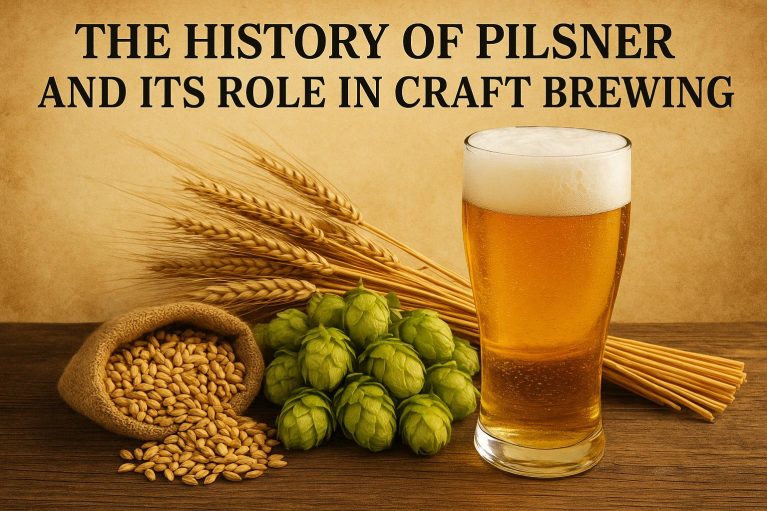
The History of Pilsner and Its Role in Craft Brewing

The History of Pilsner and Its Role in Craft Brewing
Standard

The Origins of Pilsner

Pilsner, a well-known type of pale lager, traces its roots back to the mid-19th century in Plzeň, a city located in what is today known as the Czech Republic. The emergence of this beer style can be understood in the context of the brewing challenges of the period. Traditional brewing methods often faced inconsistencies, leading to beers with varying quality and taste. Such circumstances called for a solution in the craft of brewing, and it was in this environment that Pilsner was born. In the year 1842, Josef Groll, a skilled German brewer, changed the course of beer history by perfecting a brewing process that utilized locally sourced ingredients – specifically, Moravian barley, Saaz hops, and the soft water found in the region of Plzeň. His innovative brewing approach yielded a clear and golden beer that distinctly stood out from the darker brews commonly produced during that era.

The Spread of Pilsner

Soon after its inception, the Pilsner beer style, named after the city of its origin, started gaining substantial popularity beyond its regional confines. The clear appearance and distinct flavor resonated with a wide array of beer enthusiasts. Contributing to its growing popularity, technological advancements of the era, such as refrigeration and pasteurization, enabled breweries to consistently produce high-quality beer on a much larger scale. These innovations allowed Pilsner to become one of the most widely known and consumed beer styles globally.

Characteristics of Pilsner

Pilsner is primarily recognized for its crisp and refreshing taste, underscored by a distinctive hop aroma and a notable bitterness, both of which are derived from the use of the Saaz hop variety. The beer typically showcases a light to medium body accompanied by a relatively low to moderate alcohol content, usually ranging from 4% to 5.5% ABV. Its pale straw to golden color results from the use of pale malt, while its clarity is achieved through dedicated lagering techniques, a process involving storing the beer at low temperatures to stabilize the flavors and enhance clarity.

Traditional vs. Modern Interpretations

Traditional Pilsners are produced using the same methods and ingredients as those originally employed in Plzeň. However, with the evolution of the brewing landscape, modern interpretations of the style have substantially diversified. Brewers from across the globe have experimented with various hop varieties and brewing techniques, resulting in a wide array of Pilsner sub-styles. Notable examples include German Pilsners, which are distinguished by their slightly higher bitterness levels, and American Pilsners, which often incorporate local hop varieties to introduce a unique spin on the classic flavor profile.

The Role of Pilsner in Craft Brewing

In the contemporary craft brewing scene, the Pilsner style occupies a significant place not only as a homage to traditional brewing techniques but also as a platform for innovation. Craft breweries frequently produce their own versions of Pilsner, paying respects to its historical origins while also experimenting with novel flavors and brewing methods. This dual approach allows brewers to demonstrate their skills in creating a beer that is both technically challenging and broadly appealing to beer drinkers.

Craft Beer Enthusiasts and Pilsner

For craft beer enthusiasts, Pilsner offers a refreshing alternative when compared to the more robust and heavy styles that are often associated with the craft beer movement, such as IPAs and stouts. Its balanced profile provides an accessible introduction for newcomers to the world of craft beer, while its complex and nuanced flavors are appreciated by seasoned beer connoisseurs. The approachable nature of Pilsner, combined with the depth of its character, ensures its continued relevance and popularity in today’s ever-evolving beer landscape.

Conclusion

The story of Pilsner is a vivid illustration of the transformative impact that innovation and skilled craftsmanship can have on the brewing industry. From its humble beginnings in the city of Plzeň, this beer style has grown to achieve status as a global icon. It has influenced countless brewers and beer styles across the world. As the craft brewing movement continues to evolve, Pilsner remains an integral part of the discourse, bridging the gap between tradition and modernity. Its sustained popularity and beloved status reaffirm its role as a classic style that continues to captivate and excite beer drinkers everywhere.


The Art of Craft Beer Photography and Social Media Marketing

The Art of Craft Beer Photography and Social Media Marketing
Standard

The Evolution of Craft Beer Photography

Craft beer photography has gained substantial attention in recent years, transitioning from basic product shots to an art form that truly captures the culture and diversity of the craft beer industry. The rise of social media platforms like Instagram and Pinterest has been instrumental in this evolution, offering breweries and photographers the chance to reach broader audiences and connect with craft beer enthusiasts from around the globe. This transformation is not just a trend but a multifaceted development that showcases how visual communication is becoming increasingly essential in today’s digital world.

Understanding the Importance of Visual Storytelling

For many craft breweries, effective visual storytelling is crucial in setting themselves apart within the increasingly competitive market. High-quality images communicate a brand’s identity and core values, shaping a consumer’s perception before they even taste the beer. This is why many breweries invest in professional photography to spotlight the unique aspects of their products, such as distinct ingredients, intricate brewing processes, and innovative packaging designs. The power of imagery lies in its ability to narrate a story without words, enticing the viewer to engage with the brand meaningfully.

Composition and Lighting Techniques

Mastering composition and lighting is fundamental for capturing compelling craft beer photos. The use of natural light can significantly enhance the appearance of the beer, emphasizing its textures and colors that artificial lighting might fail to bring out. Photographers often use angles that accentuate the shape and branding of beer bottles and cans, creating visually captivating images that lure viewers into the story behind the product. Choosing the right composition often involves carefully considering the balance between light and shadows, along with the strategic placement of elements within the frame.

Role of Props and Backgrounds

Incorporating props and backgrounds can introduce context and depth into beer photography. Common props include brewing equipment, glasses, and ingredients like hops or malt, each enhancing the narrative by depicting authenticity and craftsmanship. Backgrounds are meticulously selected to either complement the beer’s branding or to create a specific ambiance, whether it’s the rustic charm of a wooden table or a clean, minimalist studio backdrop. Each element in the frame supports the storytelling process by either complementing or contrasting the main subject.

Utilizing Social Media for Craft Beer Marketing

In today’s digital marketing landscape, social media platforms have emerged as indispensable tools for craft beer marketing. They provide breweries with the ability to engage directly with consumers, share captivating brand stories, and promote events or new releases in real-time. This immediacy and reach can significantly boost a brewery’s influence and presence within the industry.

Developing a Consistent Brand Aesthetic

Consistency in visual presentation is a cornerstone of effective social media marketing. Craft breweries need to maintain a cohesive visual style across all their online platforms to achieve brand recognition. This consistency is not limited to photography but extends to graphic design and even text posts. Employing specific color schemes, fonts, and imagery that reflect a brewery’s unique identity ensures that consumers can immediately identify and connect with the brand. This cohesive approach helps in developing a strong, recognizable visual language that supports marketing efforts.

Engaging with the Craft Beer Community

Social media serves not just as a promotional tool but also as a platform for interaction and engagement. Actively participating in discussions within the craft beer community enables breweries to build authentic relationships with consumers and other industry professionals. This engagement might involve collaborating with influencers or taking part in online challenges and collaborations, all of which can significantly amplify a brand’s presence. Interaction in this community fosters a sense of belonging and builds trust, essential elements for any brand looking to establish loyal customer relationships.

Measuring Success and Adjusting Strategies

Measuring the success of social media campaigns is imperative for understanding which strategies resonate with the audience. Analytics tools embedded in platforms like Facebook Insights or Instagram Analytics offer valuable data on engagement rates and audience demographics. Breweries can leverage this data to refine their strategies, focusing on content that generates the highest impact. Understanding metrics like reach, likes, shares, and comments can provide insights into the audience’s preferences and behaviors, guiding future content creation and distribution.

In summary, the art of craft beer photography, integrated with well-crafted social media marketing strategies, can effectively elevate a brewery’s presence in a bustling market. As more breweries adopt these techniques, consumers can look forward to increasingly inventive and engaging craft beer experiences. This dynamic interplay between visual art and marketing ensures that the industry continues to evolve and captivate audiences worldwide. For those interested in delving deeper into craft beer marketing, numerous online resources offer comprehensive strategies and insights, empowering breweries to effectively harness the power of visual storytelling and digital engagement.

The Best Craft Beer Podcasts to Listen To

The Best Craft Beer Podcasts to Listen To
Standard

The Rise of Craft Beer Podcasts

In recent years, the craft beer industry has experienced outstanding growth, leading to a parallel surge in craft beer podcasts. These podcasts serve as an invaluable resource for both novice and experienced beer enthusiasts. They offer insights into brewing techniques, industry trends, and updates on new beer releases. Below, we explore some standout craft beer podcasts that deliver diverse content, appealing to anyone with an interest in the world of craft beer.

Craft Beer & Brewing Magazine Podcast

One of the prominent names in the world of craft beer podcasts is the Craft Beer & Brewing Magazine Podcast. Launched by the founders of the renowned Craft Beer & Brewing Magazine, this podcast is a treasure trove of information for those passionate about brewing. It features interviews with leading brewers, industry pioneers, and other key figures in the craft beer world. Each episode takes a deep dive into various brewing techniques. It provides valuable knowledge applicable to both homebrewers attempting their first brew and seasoned professional brewers refining their craft. The diversity of guests and topics ensures there’s always something new to learn or explore in every episode.

The Beerists Podcast

The Beerists Podcast offers a different angle on the world of craft beer, focusing primarily on beer reviews. In each episode, a group of passionate beer enthusiasts evaluates various craft beers. This podcast is known for its casual and conversational style. The hosts engage in in-depth discussions, offering insightful analysis that can be both enlightening and entertaining. Whether you’re a seasoned beer connoisseur or someone just starting to explore different beer styles, this podcast’s engaging critiques and recommendations are sure to enhance your appreciation of craft beer.

The Brewing Network

The Brewing Network stands out for its wide array of shows that cater to different interests within the craft beer community. Whether you’re looking for homebrewing tips, professional brewing insights, or interviews with industry experts, the Brewing Network has it all. The platform’s reputation for informative and often humorous content makes each listening session an enjoyable experience. The diverse range of topics ensures it remains a go-to source for anyone eager to expand their knowledge of craft beer.

Good Beer Hunting

Offering a narrative-driven experience, Good Beer Hunting delves into the business, culture, and people behind craft beer. Known for its in-depth storytelling, the podcast provides a compelling look at the broader context of the craft beer industry. With a focus on narratives that go beyond the beer itself, listeners gain insights into the stories of people and places that shape the craft beer world. It’s a favorite choice for those who appreciate a well-rounded exploration of the craft beer phenomenon.

Homebrew Happy Hour

For those new to homebrewing or looking to refine their craft, Homebrew Happy Hour is an excellent resource. The podcast focuses on practical advice and tips regarding brewing practices and equipment. The hosts frequently engage with their audience by answering listener questions and offering solutions to common brewing challenges. This interactive approach not only addresses the immediate concerns of its audience but also inspires confidence and growth among aspiring homebrewers.

The Sour Hour

Sour beer, known for its complex flavors and unique brewing processes, has its dedicated following, and The Sour Hour caters specifically to this niche. This podcast dives into the nuances of sour beer brewing, exploring the specialized techniques and challenges associated with this style. It’s highly informative for brewers and enthusiasts eager to explore the world of sour and wild ales. With its focused content, the podcast serves as an excellent resource for those passionate about experimenting with these unique beer styles.

Conclusion

The craft beer revolution continues to thrive, and with it, the availability of a wide variety of craft beer podcasts. These podcasts cater to a range of interests within the community—from detailed brewing techniques to engaging beer reviews and compelling industry storytelling. Through these audio resources, enthusiasts can gain valuable insights and deepen their appreciation for the craft beer community. Whether you’re just beginning your journey or are deeply embedded in the craft beer world, these podcasts offer an exceptional starting point for exploration and enjoyment. The diverse content ensures that there is always something new to learn, demonstrating the dynamic and ever-evolving nature of the craft beer industry.