

How to Get a Job in the Craft Beer Industry

How to Get a Job in the Craft Beer Industry
Standard

Understanding the Craft Beer Industry

The craft beer industry has been on an upward trajectory, experiencing tremendous growth as more consumers seek unique and diverse beer options. This growth has resulted in various job opportunities for individuals passionate about beer and interested in different facets of the industry. For those looking to enter this dynamic field, a comprehensive understanding of its intricacies and the crucial players is indispensable.

Research Craft Breweries

A foundational step in pursuing a career in the craft beer industry is conducting thorough research on specific craft breweries. Understanding the brewery’s ethos, product lineup, and overall brand identity can significantly enhance your job application process. Begin by perusing their websites, which often offer detailed information about their brewing techniques, values, and product offerings.

You can enhance your understanding by expanding your search to include articles, interviews, and reviews that discuss the brewery’s reputation and impact within the industry. This research gives insight into each brewery’s unique characteristics and determines if your values and skills align with their mission.

Networking and Building Connections

The significance of networking in securing employment cannot be overstated, particularly in specialized fields like craft brewing. Engaging with professionals already embedded in the industry can provide firsthand insights into the unique culture and practices within this niche. Attendance at industry events, such as beer festivals and conferences, serves as an ideal platform to meet key figures in the craft beer community.

Beyond just attending these events, actively participating in discussions and panels can help establish your presence in the industry. Building connections through brewery tours enables potential informal learning opportunities that can broaden your understanding of diverse brewing processes and business models. These relationships can transform into valuable job leads or collaborations down the road.

Educational Opportunities

Another critical step in preparing for a career in the craft beer sector is exploring educational opportunities exclusively designed for the industry. Many academic institutions have recognized the rise in demand for skilled professionals in brewing and have responded by developing specialized programs. These courses often delve into a range of topics, including brewing science, production techniques, and the fundamentals of beer business management.

Obtaining credentials from well-respected programs can greatly enhance one’s resume, indicating to potential employers a solid foundation of knowledge and dedication to professional development. Some courses may even offer practical components that allow students to gain hands-on experience, further solidifying their skill sets.

Volunteering and Internships

Volunteering or internships at a brewery are invaluable opportunities to gain practical experience while showcasing your passion and commitment to future employers. Many craft breweries offer internships, where individuals can immerse themselves in the day-to-day operations, learning about the nuances of production, quality control, and distribution.

The experience gained through internships provides contextual understanding that can be crucial when transitioning into a full-time position. For candidates new to the craft beer industry, these hands-on experiences allow them to apply theoretical knowledge, thereby enhancing employability.

Key Skills for Success

To successfully carve out a niche in the craft beer industry, acquiring and demonstrating the right skills is paramount. Below are essential competencies that potential candidates should prioritize:

Brewing Expertise: A thorough grasp of the brewing process is vital, including knowledge of raw material selection, fermentation, and other production intricacies. Such expertise is particularly crucial for roles centered on brewing operations.

Quality Assurance: Mastery of quality control practices is pivotal in ensuring that beer products meet both industry standards and consumer satisfaction criteria. This skill set is particularly valuable in roles tied to production oversight.

Sales and Marketing: In a competitive marketplace, effective sales strategies and comprehensive marketing skills are instrumental in promoting brand visibility, expanding market reach, and enhancing customer engagement. These skills are vital for roles focused on commercialization.

Tailoring Your Application

When vying for a position in the craft beer industry, customizing your application materials to reflect the specific needs of the brewery is highly recommended. Your resume and cover letter should highlight your pertinent experiences and achievements, emphasizing how these align with the brewery’s goals. Clearly articulating your prospective contributions within your application materials can help differentiate your candidacy.

Preparing for Interviews

Interview preparation should involve both research and practice, particularly concerning common industry-specific questions. It’s essential to articulate your passion for craft beer while demonstrating an understanding of both the technical and commercial aspects of brewing.

Aspiring candidates should aim to convey genuine enthusiasm, a commitment to excellence, and a keen understanding of the brewery’s unique challenges and opportunities. Practicing responses will help refine your communication skills, ensuring you express your thoughts clearly and concisely.

Staying Current with Industry Trends

Remaining informed about emerging trends in the craft beer landscape is crucial. This can be achieved by subscribing to industry publications and joining professional organizations that offer insights into the latest technologies, production methodologies, and consumer preferences. Keeping abreast of industry innovations can enhance your competitiveness in the job market and support your professional growth within the sector.

Achieving success in the craft beer industry requires a multidimensional approach that combines research, networking, skill development, and continuous learning. By maintaining a proactive stance and staying informed about industry developments, you can position yourself for a rewarding career in this exciting and ever-evolving domain.
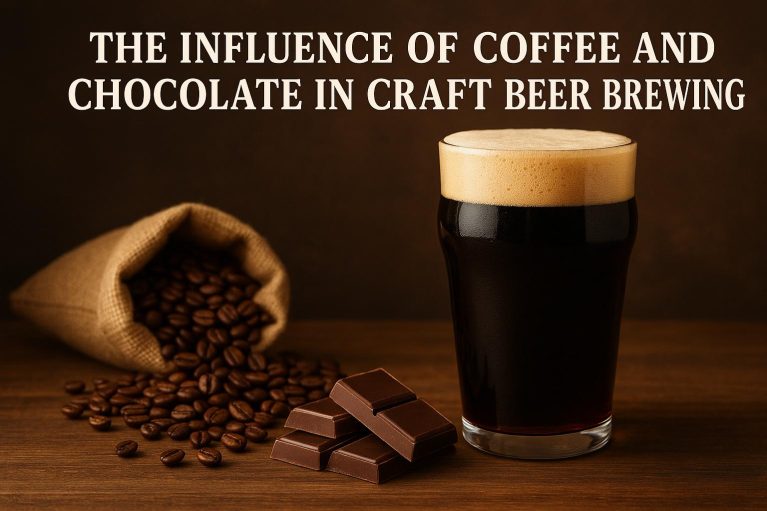
The Influence of Coffee and Chocolate in Craft Beer Brewing

The Influence of Coffee and Chocolate in Craft Beer Brewing
Standard

The Fusion of Coffee, Chocolate, and Craft Beer

Craft beer enthusiasts have long appreciated the distinct flavors and aromas that enhance their drinking experience. In recent years, two ingredients have become particularly popular in the craft beer scene: coffee and chocolate. These elements, with their rich flavors and aromatic properties, have expanded the range of possibilities in beer brewing. By introducing these two beloved flavors into craft beer, brewers create a captivating infusion that extends beyond traditional brewing methods.

The Role of Coffee in Beer Brewing

Coffee, with its bold and roasted notes, complements the rich and malty flavors of certain beer styles, particularly stouts and porters. The integration of coffee into the brewing process is an art unto itself, representing endless possibilities for flavor exploration.

Introducing coffee into the brewing process can occur at several stages, from adding coffee beans during fermentation to using cold brew coffee as an additive. Brewers need to be strategic when deciding how to incorporate coffee, as the timing and method of addition can significantly influence the beer’s final profile. This variance offers an extensive palate of tastes, from subtle hints to strong coffee prominence, allowing brewers to cater to a spectrum of preferences.

Factors to Consider

Brewers must consider the coffee’s origin and roast profile to achieve the desired flavor. Lighter roasts tend to impart fruity and acidic notes, while darker roasts contribute stronger, smokier flavors. This choice influences the interaction with the beer’s base ingredients. Additionally, sourcing beans from different regions can lend nuanced flavors derived from unique growing conditions and coffee processing methods. The interaction between the beer’s inherent characteristics and the coffee’s profile can create a complex tasting experience, challenging brewers to marry these elements expertly to produce a seamless blend.

Incorporating Chocolate into Craft Beers

Chocolate’s creamy and smooth texture enhances many craft beer recipes. Its inclusion is no less strategic than coffee, and brewers often carefully select from a variety of options to find just the right complement to their brews. It is often introduced in two main forms: cocoa nibs or chocolate malts. Each form of chocolate serves a distinct purpose; cocoa nibs provide a genuine chocolate flavor, while chocolate malts add a subtle hint of cocoa without overpowering the beer’s base ingredients. Cocoa nibs are often lauded for their pure chocolate essence, whereas chocolate malts are praised for their ability to gently meld with other flavors.

Impact on Flavor Profile

Chocolate-infused beers often exhibit flavors that range from subtly sweet to intensely rich, depending on the type and amount of chocolate used. The type of chocolate chosen not only determines the flavor strength but also influences the beer’s mouthfeel and overall body. This versatility allows brewers to cater to a wide range of taste preferences, ensuring each sip delivers a unique experience that might range from delighting the sweet tooth to satisfying those who prefer a more balanced, cocoa-driven brew.

Pairing Coffee and Chocolate in Beers

When coffee and chocolate are combined in a single brew, the result can be an exquisite fusion that appeals to both beer lovers and those fond of these two beloved flavors. This harmonious blending creates complexity, allowing the bitterness of coffee to contrast with the sweet undertones of chocolate. This combination often results in complex brews with layered taste experiences, harmoniously blending bitter, sweet, and roasted elements.

Combining these two powerful flavors involves more than simply mixing ingredients; it requires a deep understanding of how these elements interact with each other and with the base beer. The artistry lies in ensuring that the profiles complement rather than overpower each other, ultimately resulting in a balanced, cohesive product. One recommended way to savor these craft beers is by exploring pairing options with food that can complement or contrast the flavors within the beer. For instance, pairing with rich desserts can enhance the chocolate notes, while spicy dishes might highlight the coffee’s depth.

Challenges and Considerations

However, integrating these flavors poses challenges. Care must be taken to balance the robust intensity of coffee with the softer sweetness of chocolate to prevent either flavor from overwhelming the beer. The process requires precision, ensuring that neither element overshadows the other or becomes lost within the brew’s other components. Brewers often experiment with different ratios and brewing techniques to perfect this balance. This experimentation might involve trying various methods of extraction for both coffee and chocolate, adjusting bitterness levels, sweetness, and body until achieving the desired effect.

The inclusion of coffee and chocolate in craft beer not only enhances the flavor profile but also broadens the creative scope for brewers. By expanding these boundaries, they invite a new audience to appreciate the artistry of brewing and contribute to the growing trend of creative beers. As more consumers seek out these inventive beers, you’ll find they provide an ideal bridge between the worlds of brewing, coffee, and chocolate. For those interested in diving deeper, resources on brewing science and culinary arts can provide further insight into the process of combining these enticing ingredients. This merging of practices showcases the unique versatility and adaptability of craft beer and highlights its capacity as a canvas for flavor experimentation and innovation.

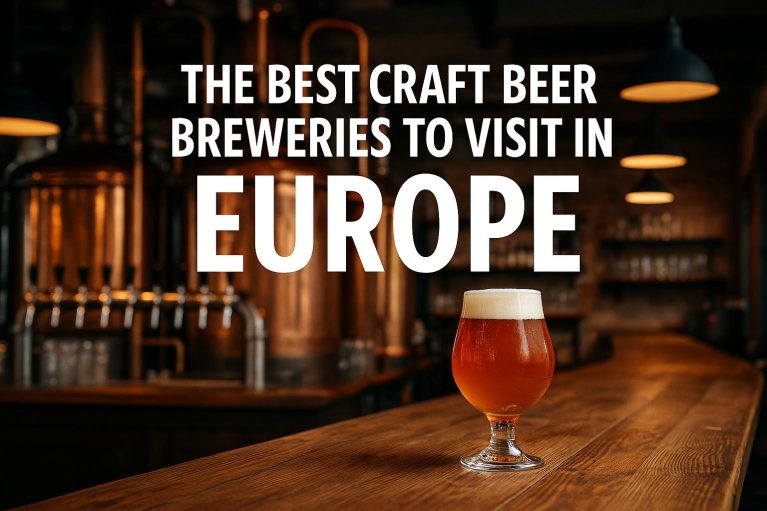
The Best Craft Beer Breweries to Visit in Europe

The Best Craft Beer Breweries to Visit in Europe
Standard

Exploring Europe’s Premier Craft Beer Breweries

Europe is renowned for its deep-seated traditions in beer brewing, which have been shaped over centuries. The contemporary rise of craft breweries has further enriched this heritage, providing an exciting dimension for beer enthusiasts. Exploring these craft breweries opens doors to not only taste distinct beer styles but also to experience the culture and history that influence their brewing techniques.

Belgium: Brasserie Cantillon

Situated in the heart of Brussels, Brasserie Cantillon stands as a testament to the rich brewing traditions of Belgium. Established in 1900, this family-owned brewery is celebrated for its commitment to ancient brewing traditions, particularly the practice of spontaneous fermentation. This method is a distinctive technique where wild yeast in the air initiates fermentation, contributing to the unique flavors of lambic beers. Visitors to Brasserie Cantillon are offered a rustic and immersive glimpse into this time-honored process. The brewery retains much of its original equipment, allowing guests to step back in time and see traditional brewing in action.

When visiting Brasserie Cantillon, one should not miss tasting their celebrated gueuze and kriek beers. Gueuze is a blend of young and aged lambics that provide a complex, tart flavor that is both refreshing and sophisticated. Kriek, on the other hand, is a lambic fermented with cherries, offering a fruity yet tart taste profile. The brewery provides tours that delve into the intricacies of its beer-making process, ensuring that a visit is both educational and indulgent for the palate.

Germany: Weihenstephan Brewery

In Bavaria’s charming town of Freising lies the Weihenstephan Brewery, acknowledged as the oldest continuously operating brewery in the world. With origins dating back to 1040, this brewery is steeped in history and tradition. Visitors to Weihenstephan can enjoy a journey through time, exploring the evolution of German beer culture through the lens of this historic establishment.

The brewery offers comprehensive tours that reveal the meticulous process involved in crafting their renowned beers, with a particular emphasis on their traditional wheat beer. In the tasting room, guests have the opportunity to savor different varieties, each reflecting the time-honored German brewing standards. The experience at Weihenstephan is not just about enjoying beer but understanding its cultural heritage and significance in Germany.

Czech Republic: Pilsner Urquell Brewery

The city of Pilsen, synonymous with pilsner beers, is home to the legendary Pilsner Urquell Brewery. Founded in 1842, this brewery is credited with creating the world’s first pale lager, setting the standard for pilsner beers worldwide. The tours offered here are detailed and engaging, taking visitors through the intricate steps that make up the brewing process of this iconic beer.

One of the tour highlights is the visit to the original cellars, where guests can witness the traditional craft of beer storage. These subterranean vaults provide a glimpse into the past, preserving the authenticity and tradition of pilsner production. The experience is complete with a tasting session of unfiltered beer drawn directly from a wooden barrel, offering a unique and authentic flavor profile that reflects the brewery’s storied history.

Denmark: Mikkeller

Copenhagen’s Mikkeller has carved out a name for itself with its experimental and innovative brews. Founded in 2006, this brewery has grown into a global icon of the craft beer movement, celebrated for its avant-garde approach and diverse range of styles. Mikkeller’s influence extends beyond Denmark, as they have branches and collaborations worldwide.

The brewery is known for its eclectic portfolio of beers, spanning from India Pale Ales (IPAs) to sours, and everything in between. Visitors to Copenhagen can explore this variety at several Mikkeller bars across the city. The bars offer a dynamic setting to sample new and unconventional beer styles, encouraging guests to broaden their palates and explore new flavor horizons. Mikkeller’s commitment to pushing boundaries ensures that every visit is a unique and adventurous experience.

United Kingdom: BrewDog

Scotland’s BrewDog has become synonymous with craft beer innovation and bold experimentation since its founding in 2007. Based in Ellon, Aberdeenshire, BrewDog is known for its fearless approach to brewing, characterized by intense flavors and a rebellious spirit that challenges traditional norms.

The brewery offers tours that provide insight into their avant-garde techniques and brewing philosophy. Visitors can learn about the processes involved in creating some of their most popular beers, such as the iconic Punk IPA. Tastings are integral to the tours, allowing guests to experience the bold flavors that define BrewDog’s approach to craft beer. This Scottish brewery has cultivated a devoted following, and a visit promises an engaging exploration of unconventional beer crafting.

Netherlands: Brouwerij ‘t IJ

Located alongside a picturesque windmill in Amsterdam, Brouwerij ‘t IJ offers a charming blend of traditional Dutch brewing with a modern twist. Known for its commitment to producing organic beers, the brewery has become a favorite among locals and tourists alike.

Brouwerij ‘t IJ invites guests to its tasting room, where they can sample a variety of beer styles crafted on-site. Their signature Zatte tripel, a robust and flavorful beer, exemplifies the brewery’s dedication to both quality and creativity. The setting, combined with the distinctive range of beers available, ensures a memorable and enjoyable experience for visitors seeking to dive into the Dutch brewing scene.

Italy: Birrificio Italiano

In the picturesque Lombardy region, Birrificio Italiano highlights Italy’s burgeoning influence in the world of craft beer. Since its founding in 1996, the brewery has been dedicated to balancing traditional brewing methods with innovative experimentation, a hallmark of Italy’s approach to artisanal crafting.

The brewery takes pride in utilizing local ingredients, which are reflected in the flavors of their diverse beer offerings. Birrificio Italiano’s cozy on-site pub provides the perfect setting for visitors to indulge in an immersive tasting experience, surrounded by the warm hospitality that Italian establishments are known for. For beer enthusiasts journeying through Italy, a visit to Birrificio Italiano offers an authentic exploration of the intersection between tradition and innovation in the Italian craft beer landscape.