
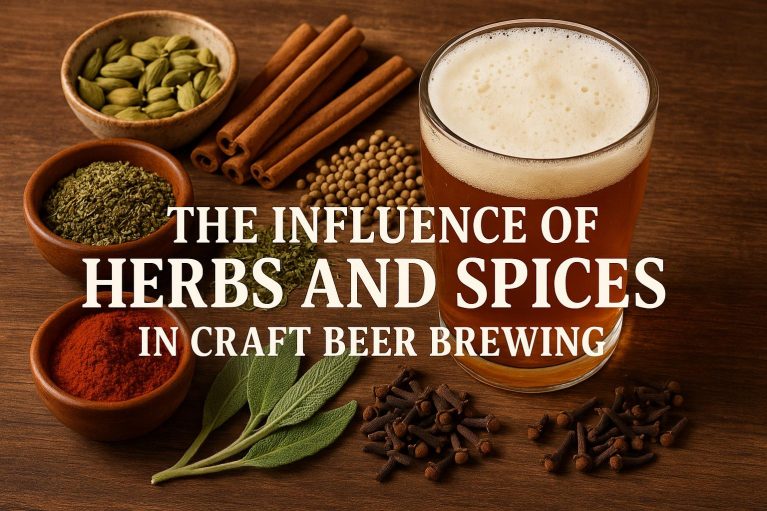
The Influence of Herbs and Spices in Craft Beer Brewing

The Influence of Herbs and Spices in Craft Beer Brewing
Standard

The Growing Trend of Herbs and Spices in Craft Beer

The craft beer industry has been increasingly creative and innovative, with brewers worldwide exploring new flavors and sensory experiences. A significant part of this exploration is the use of herbs and spices to impart unique characteristics to their brews. Historically, herbs and spices have been used in beer making long before hops became the standard, and their resurgence today is a nod to diverse traditions and flavors.

An Historical Perspective

Using herbs and spices in brewing can be traced back to ancient times. Before the common use of hops, various botanicals served multiple purposes in brewing, from flavor enhancement to preservation. Herbs such as yarrow, sage, and gruit (a mixture of herbs) were quintessential ingredients in medieval European beers. These botanicals were not merely additives but critical components that defined the identity of many traditional brews.

Ancient Egyptians and Mesopotamians also utilized various spices in their fermentation processes, suggesting the universal appeal of herbal additives. Local botanicals were easy to source and provided distinct local flavors. Every region had its herbal ale variations, each contributing different aromas and tastes, thereby creating a rich tapestry of historical brews that varies greatly from today’s hop-dominated beers.

The Modern Craft Beer Scene

In contemporary craft brewing, herbs and spices are gaining traction not only for their historical significance but also for their ability to create complex flavors and aromas. This trend is driven by craft brewers seeking to differentiate themselves in a crowded market. By leveraging these natural ingredients, they offer consumers new tasting experiences.

One of the compelling reasons for the use of these ingredients is the push towards artisanal and locally-sourced products. Craft brewers see this as a way to tap into both traditional recipes and the burgeoning market for sustainable and locally-focused brewing practices. Moreover, herbs and spices open an avenue for storytelling, giving each brew a narrative that often ties back to traditional brewing practices and cultural heritage.

Examples of Commonly Used Herbs and Spices

Several herbs and spices are frequently used in the modern craft brewing process. Coriander is a staple in Belgian-style witbiers, providing a citrusy, slightly spicy note. Ginger, known for its zesty kick, finds a place in various ale styles, especially those crafted for colder seasons. This spice not only adds a certain warmth but can also transform the mouthfeel of a brew.

Cinnamon, with its warm, sweet profile, is a popular choice in brews meant for the holiday season, often used in conjunction with nutmeg and cloves to create a festive aroma. Chili peppers are another interesting addition that provides heat, often used in experimental brews to create a sharp contrast against sweeter malt bases.

Innovations and Potential Benefits

Brewers are continuously experimenting with unusual ingredients, such as lavender, basil, and rosemary. Rosemary, known for its fragrant and slightly pungent aroma, can enhance both the olfactory and taste experience of a beer. These herbs do more than introduce new flavors; some have antimicrobial properties that can serve as natural preservatives, potentially leading to an extended shelf life for the beer.

Moreover, certain spices contain antioxidants, which resonate with the health-conscious consumer. The growing interest in holistic health solutions and food choices naturally extends to beverages, prompting brewers to highlight these potential health benefits. While this is by no means a replacement for hops, the versatility and functional components of herbs and spices provide craft brewers with a broader palette for innovation.

Another interesting aspect is the use of adaptogenic herbs, such as tulsi or ashwagandha. Although still niche, these are slowly finding a place in craft breweries looking to appeal to the experience-focused millennial and Gen Z markets. The integration of such elements into beer could become an avenue for merging traditional healing practices with modern culinary arts.

Challenges and Considerations

While the use of herbs and spices is exciting, brewers must consider several factors to ensure the successful integration of these ingredients. The dosage is crucial; too little, and the flavor is lost; too much, and it can overpower the beer. Achieving the right balance often requires meticulous trial and error.

Consistency is another challenge, as the potency of herbs and spices can vary depending on their source and season. This variability means microbreweries have to maintain close relationships with suppliers to ensure the quality of their products. Brewers often need to conduct small batch tests, adjusting volumes and combinations until the desired flavor profile is perfected.

Craft brewers must also navigate regulatory considerations. Depending on local laws, certain ingredients might not be permitted or may require specific labeling. Different regions have varying guidelines on permissible ingredients in alcoholic beverages, and it is essential for brewers to fully understand these regulations to avoid potential legal challenges. Compliance is key to ensuring that the experimental nature of these brews does not result in regulatory pushback.

Conclusion

Herbs and spices are reviving age-old brewing traditions while simultaneously pushing the boundaries of flavor in modern craft beer. Through careful selection and balance, they offer endless possibilities for creativity and consumer enjoyment. As consumers become more adventurous and discerning in their preferences, the demand for unique and flavorful craft beers is only expected to grow.

To explore more on this exciting trend and how it impacts the craft beer market, readers can refer to resources provided by organizations such as the Brewers Association. By staying informed and embracing innovation, brewers can continue to enrich the diverse tapestry of flavors within the craft beer industry.
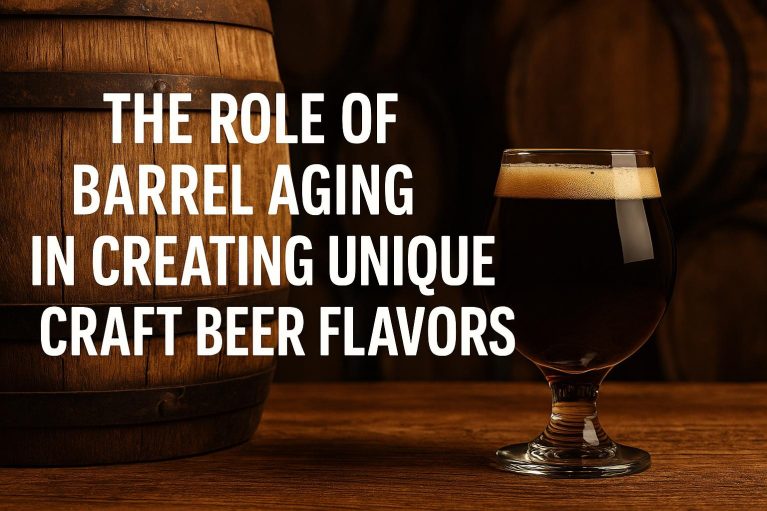

The Role of Barrel Aging in Creating Unique Craft Beer Flavors

The Role of Barrel Aging in Creating Unique Craft Beer Flavors
Standard

The Process of Barrel Aging in Craft Beer

Barrel aging is a technique that brewers utilize to impart distinct flavors into craft beer. This process involves storing beer in wooden barrels for an extended period, allowing it to interact with the wood and any residual substances previously stored in the barrels. Commonly used barrel types include bourbon, wine, and whiskey barrels.

Influence of Barrel Material

The type of wood used in the barrel significantly impacts the flavors absorbed by the beer. Oak is the most common material, prized for its ability to contribute complex flavors and aromas. Oak provides vanilla, caramel, and spicy notes, largely due to its specific chemical compounds, such as vanillin and lignin.

American vs. French Oak

Barrel aging with American oak often results in more pronounced flavors compared to French oak, which offers subtlety and finesse. American oak is commonly used for bourbon barrels, imparting rich, sweet, and smoky attributes. Conversely, French oak, preferred in wine barrels, aligns more nuanced and softer flavors with a balanced integration.

Residual Influences from Previous Contents

The history of a barrel greatly affects the resulting flavors in beer. For instance, a barrel previously used for aging bourbon will likely convey sweet and roasted flavors due to the caramelization and charring from the bourbon production process. Wine barrels, on the other hand, contribute fruity and tannin characteristics from the wine.

Duration and Conditions of Aging

Time is a critical factor in barrel aging. A longer aging period usually allows the beer to absorb more flavors. However, the optimal aging time varies depending on beer style and desired flavor profile. Temperature and humidity conditions during the aging process can also influence the final product, affecting the rate of flavor absorption and micro-oxidation.

Variety in Barrel-Aged Beer Styles

Different styles of craft beer benefit uniquely from barrel aging. Stouts and porters are frequently aged in whiskey or bourbon barrels, enhancing their robust, malty foundation with rich, oaky flavors. Sours and farmhouse ales often employ wine barrels to introduce a layer of complexity with tart, vinous notes.

Experimental Techniques

Brewers continue to experiment by cross-using different barrels in a blend, creating a unique fusion of contrasting flavor profiles. This experimental approach not only broadens the spectrum of craft beer but also showcases the versatility of barrel aging as a method of elevating beer.

Interplay of Traditions and Innovations

While traditional methods offer a proven blueprint, innovations in barrel aging provide room for creativity. Breweries might experiment with non-traditional barrels like tequila or rum, delivering unexpected and exciting tastes. These exploratory choices enhance the brewery portfolio and provide consumers with novel flavor experiences.

Balance Between Aging Time and Flavor Development

Understanding the delicate balance between time and flavor extraction is crucial in the barrel-aging process. Brewers often employ a mix of sensory evaluations and scientific metrics to determine when a beer has reached optimal aging. Too short a duration might result in subtle flavor nuances, whereas excessively prolonged aging could potentially overpower or overshadow the base beer’s characteristics.

Barrel Aging and the Brewery Art

Many craft breweries take pride in their barrel-aging programs, considering it an artisanal practice. The careful selection of barrels, management of aging conditions, and blending processes highlight the artistry behind crafting unique flavor profiles in beer. Barrel aging transforms beer beyond its traditional boundaries, offering consumers a varied sensory experience.

The Evolving Craft Beer Market

As consumer tastes evolve, so does the demand for diversified beer experiences. Barrel aging aligns perfectly with current trends focusing on quality and uniqueness. Beer aficionados might perceive barrel-aged beers as high-value or premium products, often leading to an enhanced dining or tasting experience.

The Role of the Brewmaster

The brewmaster’s role in barrel aging is a blend of science and intuition. This includes selecting the appropriate barrels, deciding on the aging duration, and choosing which beer styles to age. Through years of experience and experimentation, brewmasters develop a keen sense of how different environmental conditions affect the final outcome.

Community and Collaboration

Barrel aging can also foster community and collaboration among breweries. Shared barrels, collective aging spaces, and cooperative bottling projects have been known to result in unique collaborative beers. These partnerships have the potential to elevate the art of brewing, bringing diverse expertise and creativity to the table.

Challenges in Barrel Aging

While rewarding, barrel aging does come with its challenges. The investment in space for storing barrels, the risk of contamination, and the unpredictability of aging outcomes are hurdles that brewers face. Addressing these challenges requires skill, patience, and often a touch of daring.

Conclusion: Barrel Aging as an Artistic Endeavor

The nuanced and labor-intensive nature of barrel aging cements its status as an art form within the craft beer industry. The process reflects not only the choice of ingredients and methods but also the individual philosophy of the brewery. This intricate dance of flavors is underpinned by both tradition and innovation, resulting in beers that are rich in character and complexity.

For more information on craft beer techniques, consult resources from industry experts, such as the Brewers Association or specialized craft beer publications.

The Evolution of Craft Beer Glassware and Its Impact on Taste

The Evolution of Craft Beer Glassware and Its Impact on Taste
Standard

The Revolution in Craft Beer Glassware

The world of craft beer has undergone a significant transformation in recent years, with glassware design playing a pivotal role in enhancing the overall drinking experience. Beyond mere aesthetics, the evolution of craft beer glassware has been instrumental in shaping how enthusiasts perceive and savor their favorite brews. This article will explore the history, science, and various implications of craft beer glassware on the enjoyment of beer.

Historical Background

Beer has been part of human culture for centuries, with varying vessels like tankards, steins, and mugs traditionally used for its consumption. Often designed for durability and with little consideration for enhancing taste or aroma, these conventional containers suited the purpose of the times. However, the rise of the craft beer movement ignited a new approach towards glassware, emphasizing sensory experiences. This movement recognized glassware’s potential to impact taste, aroma, and visual presentation, prompting enthusiasts to rethink the drinkware landscape.

The Science Behind Glass Design

The intricate science of glassware design imparts various factors that influence the beer drinking experience. Primarily, the shape of the glass can dramatically alter how a beer’s aroma is perceived. Glasses with a narrow rim can concentrate aromas, directing them towards the nose, while the curvature of the glass can facilitate or moderate the beer’s flow. This can enhance the perception of flavors.

Moreover, glasses like the Pilsner glass or the IPA glass are intentionally engineered to complement specific beer styles. For instance, the tall and slender Pilsner glass showcases clarity and maintains a head, while the bulbous IPA glass is tailored to amplify hop aromas. Such design intricacies reveal the thoughtful consideration behind matching glass shapes to beer styles to maximize the drinker’s sensory experience.

Materials and Their Influence

The choice of materials in glassware manufacturing plays a crucial role in the drinking experience. Glass, the predominant material, offers an advantage due to its non-porous nature, ensuring that no external flavors interfere with the beer. Additionally, glass is neutral, presenting the beer in its original form without imparting any unwanted tastes.

Different tempering processes may affect the glass’s thickness and durability, further impacting beer quality. Thermal properties of glass influence how rapidly a beer’s temperature can alter, impacting taste, especially if the beer is consumed slowly. Therefore, manufacturers strive to balance form and function, selecting appropriate materials that meet these standards while enhancing the beer drinking experience.

The Impact on Taste

The influence of glassware on the taste of beer is often underestimated yet profoundly significant. The design variations between different types of glassware can actively alter flavor perception. The strategic design ensures that the beer makes contact with specific areas of the tongue, thereby emphasizing particular taste profiles.

The added dimension of aroma contributes significantly to the overall flavor experience. Certain glasses trap and release aromas in a controlled manner, ensuring that every sip accompanies a rich bouquet of scents. This harmonious blend of taste and aroma elevates the craft beer drinking experience to new sensory heights.

Real-World Examples

In today’s beer culture, many breweries and bars acknowledge the importance of specialized glassware. They often curate collections that align with specific brews to provide a tailored drinking experience. Collaborations between breweries and glassware manufacturers lead to innovative design solutions that elevate the appreciation of the drink.

For instance, some breweries design glasses exclusively for particular beers, ensuring flavor notes and aromas align perfectly with their intended profile. These efforts demonstrate the industry’s commitment to authenticity and the elevation of the consumer’s experience.

Environmental and Economic Considerations

The burgeoning popularity of craft beer has propelled significant developments in glassware demand, impacting economic and environmental spheres. As the market expands, manufacturers are motivated to craft glassware that balances aesthetics, durability, and sustainability.

Eco-conscious production methods become imperative, incorporating recycled materials and sustainable processes to create glassware that minimizes environmental impact. Such innovations not only support ecological balance but also resonate with consumers’ growing preferences for sustainability.

Conclusion

In conclusion, the evolution and innovation in craft beer glassware underscore the nuanced relationship between the container and its content. The thoughtful design of glassware enhances the sensory adventure, presenting beer as it is meant to be savored. As the craft beer industry continues to innovate and extend its reach, glassware remains a vital component, ensuring patrons receive the full extent of what brewers intend to deliver.

For aficionados keen on navigating the intriguing landscape of craft beer, understanding the interplay between glass design and beer can enrich appreciation significantly. Those eager to explore further craft beer trends and developments are encouraged to delve into industry-specific resources, visit festivals, or explore local craft beer establishments to gain deeper insights into the world of craft beer and its complementary glassware.