
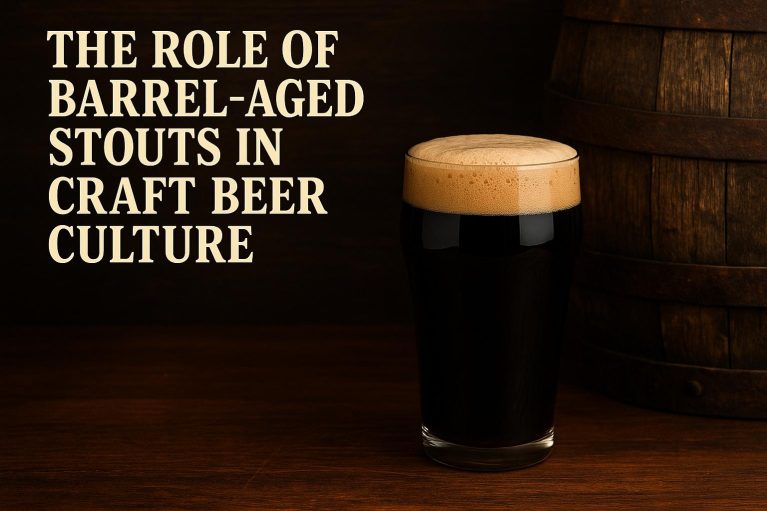
The Emergence of Barrel-Aged Stouts in Craft Beer Culture
Barrel-aged stouts have increasingly become a cornerstone of the craft beer movement, drawing both enthusiasts and brewers with their intricate flavors and unique aging processes. These distinctive beers garner attention through their aging in barrels that previously contained spirits such as bourbon, whiskey, or rum. This method imparts distinct flavors that set them apart from non-barrel-aged stouts.
Understanding the Barrel-Aging Process
To begin appreciating barrel-aged stouts, one must understand the process that defines them. Typically, the procedure starts with selecting a stout, a beer known for its dark appearance and rich flavor profile. Stouts are inherently robust, offering a perfect canvas for further enhancement through barrel aging. The selection of barrels plays a crucial role, as brewers aim to choose those that enhance and complement the stout’s existing flavors.
Once the chosen stout is placed in barrels, it enters a phase of transformation that can range from several months to even a few years. Throughout this aging period, the beer absorbs flavors from both the remnants of the barrel’s former contents and the wood itself. Common tasting notes include vanilla, oak, caramel, and even smokiness. Each note contributes layers of complexity to the beer, enriching the original stout.
Impact on Flavor Profile and Complexity
The aging process bestows upon the stout a strikingly intricate flavor profile, which is a product of the interactions taking place within the barrel. These interactions prompt chemical reactions where the beer absorbs tannins and other flavorful compounds from the wood, as well as any residual spirits that linger in the barrel. The resulting concoction is a symphony of balanced sweetness, bitterness, and a warming alcoholic finish, all enhanced by the aging. This balance appeals particularly to individuals who appreciate the nuance and depth often found in craft beers.
The development of flavors within barrel-aged stouts is not static; rather, it is dynamic and continues to evolve even after bottling, much to the delight of those who treasure diverse and evolving taste experiences.
Contribution to Craft Beer Innovation
Barrel-aged stouts symbolize a fascinating blend of tradition and innovation in the craft beer industry. The traditional aspect is evident in the technique of aging, which harks back to historic brewing methods. However, modern brewers infuse innovation by experimenting with an array of barrel types and varying aging durations. Through these experiments, brewers craft limited-edition releases that generate anticipation and excitement among beer enthusiasts and collectors.
The innovation shown in barrel-aging practices enables breweries to distinguish themselves within the increasingly crowded craft beer market. It is a platform for showcasing their creativity and expertise, ultimately contributing to the growth and diversification of the craft beer industry itself.
The Collector’s Appeal
For many, barrel-aged stouts are considered collector’s items, appreciated as much for their scarcity as for their distinctive and evolving flavors. Limited availability of these unique beers enhances their appeal, making them highly coveted among serious collectors and beer aficionados alike. The flavor profiles of these stouts are not static but rather continue to evolve over time, similar to fine wines.
Some collectors purchase these stouts with the intention of cellaring them, allowing further development in flavor and character. This practice of cellaring requires both patience and an understanding that the beer will undergo significant transformations while stored, potentially revealing new depths of taste and complexity over the years.
The rise of barrel-aged stouts within craft beer culture underscores a growing appreciation for traditional techniques married with contemporary creativity. They continue to captivate those in search of bold and distinctive beer experiences by reflecting the dynamic nature of craft beer itself. For more insights into craft beer trends, feel free to visit Craft Beer, a resource that delves deeper into the fascinating world of craft brewing.
In conclusion, barrel-aged stouts stand as a testament to the innovative spirit that defines the craft beer industry. Through the combination of a robust stout base, the careful selection of aging barrels, and meticulous aging processes, brewers produce beers that are not only delicious and complex but also tell a story of transformation. As craft beer continues to grow and evolve, barrel-aged stouts will likely maintain their status as a cherished staple among enthusiasts and a symbol of the innovation and creativity that permeates the world of craft brewing.