
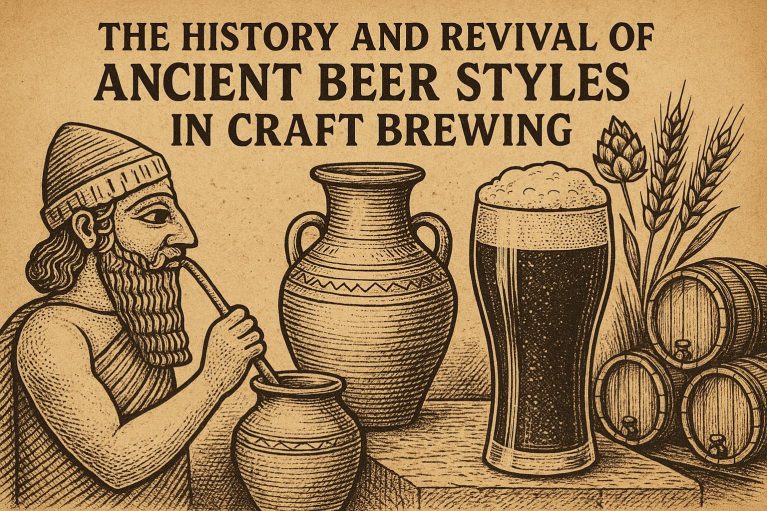
The Origins of Ancient Beer Styles
Beer constitutes one of the oldest-known prepared beverages, with a history dating back thousands of years. Archaeological evidence suggests that beer was brewed as early as 7,000 BC in present-day Iran. From an anthropological perspective, the practice of brewing beer emerged in various ancient civilizations, most notably with the Sumerians and Egyptians, who refined their techniques into an art form. Beer was not merely a beverage in these societies; it held cultural, religious, and social significance, becoming an integral part of daily life and ceremonial occasions.
The Sumerians: Pioneers of Beer Brewing
The ancient Sumerians are often credited as some of the earliest record-keepers of beer brewing. The “Hymn to Ninkasi,” a poetic work dedicated to the goddess of beer, serves as both a tribute and a practical guide for brewing. This document highlights how intertwined beer was with the spiritual and social life of the Sumerians. The hymn also functions as an instructional piece, combining spirituality with the brewing process, indicating the importance of beer in Sumerian culture.
Beer in Ancient Egypt
In a parallel narrative, Egyptian hieroglyphs and artifacts reveal a society where beer was a staple, consumed across all social strata and employed in religious offerings. The Egyptians were known for widespread beer consumption, with breweries often sponsored by temples and beer being offered to gods as a part of daily religious rites. The pervasive nature of beer in Egypt underscores its essential role in both sustenance and spirituality.
Key Ingredients and Brewing Methods
Ancient beer styles significantly diverged from today’s more refined and technologically advanced brewing methods. The primary grains utilized were barley and emmer wheat, each contributing to the distinct flavor profiles of ancient beers. Fermentation processes were basic, relying on natural yeast present in the environment for fermentation. This resulted in a beverage that was often cloudier and less carbonated than modern beers.
Emmer Wheat and Barley in Beer Production
Both emmer wheat and barley were key ingredients in ancient beer production. These grains were not just staple food sources but also pivotal in brewing. The choice of grain directly influenced the taste, imparting earthy and nutty undertones distinct to ancient brews. Unlike contemporary beers that are frequently associated with the bitter flavor imparted by hops, ancient beers were more likely to have a muted and rustic profile, shaped by the character of the grains used.
Wild Fermentation Techniques
Wild fermentation played a crucial role in the brewing of ancient beers. Unlike modern brewing, which utilizes controlled yeast strains for consistency and predictability, ancient brewers relied on open fermentation with natural, airborne yeasts. This method introduced a natural complexity and variability to each batch, dependent on the environment and climate conditions.
Revival of Ancient Beer Styles in Modern Craft Brewing
The rise of the craft brewing industry has triggered a renewed interest in the exploration and resurrection of ancient beer styles. Modern brewers investigate historical documents and archaeological findings to reimagine these ancient recipes within the context of contemporary brewing.
Recreating Historical Recipes with Modern Techniques
The recreation of ancient beers involves a blend of historical research and modern innovation. Brewers today meticulously study historical texts, such as the “Hymn to Ninkasi” and other archaeological discoveries, to gather information about traditional brewing methods. The primary focus is to respect the authenticity of the original style while integrating modern production standards to ensure safety and quality.
Incorporation of Spices and Herbs in Beer
Ancient beers frequently used spices and herbs either to replace or complement hops, which were not as prominently used in early brewing. Ingredients like coriander, juniper, and various fruits were commonplace, adding a unique spectrum of flavors to ancient brews. In modern craft brewing, there is an experimental enthusiasm for these unconventional ingredients, offering a broader sensory experience and a fresh take on age-old practices.
Ancient Grains in Modern Brews
In addition to spices, the revival of ancient grains like emmer wheat and barley is gaining traction among craft brewers. These grains are being reintroduced, allowing for the creation of beers that not only mirror the flavors of bygone eras but also cater to modern-day consumer curiosity and appreciation of historical authenticity.
The Impact of Ancient Beer Styles on the Craft Beer Market
The integration of ancient beer styles has notably expanded the craft beer landscape, offering consumers unique choices beyond the realm of traditional lagers and ales.
Enriching the Craft Beer Experience
The exploration and revival of ancient beer styles have introduced a narrative dimension to the craft beer experience. Consumers not only enjoy unique flavors but also engage with the stories and histories embedded in these ancient recipes. This experience enhances consumer connection and provides an educational journey into the long history of brewing.
Balancing Tradition and Innovation
The craft beer market thrives on its ability to balance innovation with a tribute to tradition. Beers inspired by ancient recipes satisfy a dual consumer interest: a taste for new and unique flavor profiles, and a fascination with historical and artisanal narratives. This trend mirrors a larger societal interest in products that emphasize craftsmanship, heritage, and quality.
The Role of Breweries in Preserving Brewing Heritage
By participating in the revival of ancient beer styles, craft breweries play a crucial role in preserving the historical and cultural heritage of brewing. These endeavors promote appreciation for the ancient art of brewing while also encouraging modern brewing practices to evolve.
Cultural and Historical Education Through Beer
The enthusiasm for ancient beer styles has also sparked collaborative efforts with archaeologists and historians, resulting in a richer understanding of brewing’s impact on human civilization. For consumers, each sip of an ancient-inspired brew becomes a tasting journey through history, connecting the modern palate with the ancient world.
In conclusion, the resurrection of ancient beer styles by the craft brewing industry demonstrates a fascinating interweaving of historical curiosity and modernity. By delving into and recreating the origins of beer, modern brewers are not only keeping historical traditions alive but also pushing the boundaries of contemporary beer production. This harmonious blend of past and present continues to enrich the ever-expanding world of beer, cementing its place as both an ancient art and a modern craft.