
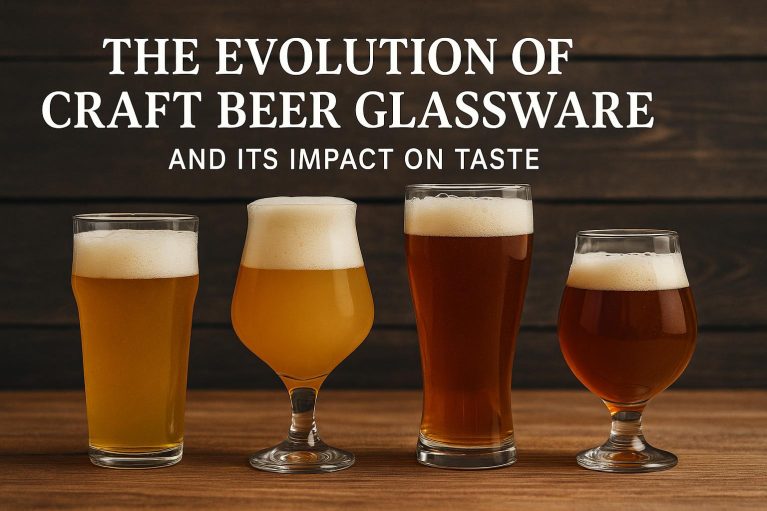
The Revolution in Craft Beer Glassware
The world of craft beer has undergone a significant transformation in recent years, with glassware design playing a pivotal role in enhancing the overall drinking experience. Beyond mere aesthetics, the evolution of craft beer glassware has been instrumental in shaping how enthusiasts perceive and savor their favorite brews. This article will explore the history, science, and various implications of craft beer glassware on the enjoyment of beer.
Historical Background
Beer has been part of human culture for centuries, with varying vessels like tankards, steins, and mugs traditionally used for its consumption. Often designed for durability and with little consideration for enhancing taste or aroma, these conventional containers suited the purpose of the times. However, the rise of the craft beer movement ignited a new approach towards glassware, emphasizing sensory experiences. This movement recognized glassware’s potential to impact taste, aroma, and visual presentation, prompting enthusiasts to rethink the drinkware landscape.
The Science Behind Glass Design
The intricate science of glassware design imparts various factors that influence the beer drinking experience. Primarily, the shape of the glass can dramatically alter how a beer’s aroma is perceived. Glasses with a narrow rim can concentrate aromas, directing them towards the nose, while the curvature of the glass can facilitate or moderate the beer’s flow. This can enhance the perception of flavors.
Moreover, glasses like the Pilsner glass or the IPA glass are intentionally engineered to complement specific beer styles. For instance, the tall and slender Pilsner glass showcases clarity and maintains a head, while the bulbous IPA glass is tailored to amplify hop aromas. Such design intricacies reveal the thoughtful consideration behind matching glass shapes to beer styles to maximize the drinker’s sensory experience.
Materials and Their Influence
The choice of materials in glassware manufacturing plays a crucial role in the drinking experience. Glass, the predominant material, offers an advantage due to its non-porous nature, ensuring that no external flavors interfere with the beer. Additionally, glass is neutral, presenting the beer in its original form without imparting any unwanted tastes.
Different tempering processes may affect the glass’s thickness and durability, further impacting beer quality. Thermal properties of glass influence how rapidly a beer’s temperature can alter, impacting taste, especially if the beer is consumed slowly. Therefore, manufacturers strive to balance form and function, selecting appropriate materials that meet these standards while enhancing the beer drinking experience.
The Impact on Taste
The influence of glassware on the taste of beer is often underestimated yet profoundly significant. The design variations between different types of glassware can actively alter flavor perception. The strategic design ensures that the beer makes contact with specific areas of the tongue, thereby emphasizing particular taste profiles.
The added dimension of aroma contributes significantly to the overall flavor experience. Certain glasses trap and release aromas in a controlled manner, ensuring that every sip accompanies a rich bouquet of scents. This harmonious blend of taste and aroma elevates the craft beer drinking experience to new sensory heights.
Real-World Examples
In today’s beer culture, many breweries and bars acknowledge the importance of specialized glassware. They often curate collections that align with specific brews to provide a tailored drinking experience. Collaborations between breweries and glassware manufacturers lead to innovative design solutions that elevate the appreciation of the drink.
For instance, some breweries design glasses exclusively for particular beers, ensuring flavor notes and aromas align perfectly with their intended profile. These efforts demonstrate the industry’s commitment to authenticity and the elevation of the consumer’s experience.
Environmental and Economic Considerations
The burgeoning popularity of craft beer has propelled significant developments in glassware demand, impacting economic and environmental spheres. As the market expands, manufacturers are motivated to craft glassware that balances aesthetics, durability, and sustainability.
Eco-conscious production methods become imperative, incorporating recycled materials and sustainable processes to create glassware that minimizes environmental impact. Such innovations not only support ecological balance but also resonate with consumers’ growing preferences for sustainability.
Conclusion
In conclusion, the evolution and innovation in craft beer glassware underscore the nuanced relationship between the container and its content. The thoughtful design of glassware enhances the sensory adventure, presenting beer as it is meant to be savored. As the craft beer industry continues to innovate and extend its reach, glassware remains a vital component, ensuring patrons receive the full extent of what brewers intend to deliver.
For aficionados keen on navigating the intriguing landscape of craft beer, understanding the interplay between glass design and beer can enrich appreciation significantly. Those eager to explore further craft beer trends and developments are encouraged to delve into industry-specific resources, visit festivals, or explore local craft beer establishments to gain deeper insights into the world of craft beer and its complementary glassware.