The Process of Barrel Aging in Craft Beer
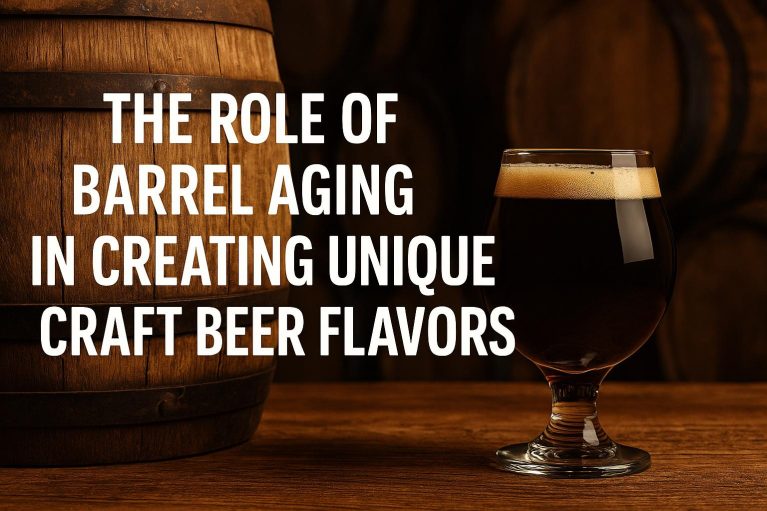
Barrel aging is a technique that brewers utilize to impart distinct flavors into craft beer. This process involves storing beer in wooden barrels for an extended period, allowing it to interact with the wood and any residual substances previously stored in the barrels. Commonly used barrel types include bourbon, wine, and whiskey barrels.
Influence of Barrel Material
The type of wood used in the barrel significantly impacts the flavors absorbed by the beer. Oak is the most common material, prized for its ability to contribute complex flavors and aromas. Oak provides vanilla, caramel, and spicy notes, largely due to its specific chemical compounds, such as vanillin and lignin.
American vs. French Oak
Barrel aging with American oak often results in more pronounced flavors compared to French oak, which offers subtlety and finesse. American oak is commonly used for bourbon barrels, imparting rich, sweet, and smoky attributes. Conversely, French oak, preferred in wine barrels, aligns more nuanced and softer flavors with a balanced integration.
Residual Influences from Previous Contents
The history of a barrel greatly affects the resulting flavors in beer. For instance, a barrel previously used for aging bourbon will likely convey sweet and roasted flavors due to the caramelization and charring from the bourbon production process. Wine barrels, on the other hand, contribute fruity and tannin characteristics from the wine.
Duration and Conditions of Aging
Time is a critical factor in barrel aging. A longer aging period usually allows the beer to absorb more flavors. However, the optimal aging time varies depending on beer style and desired flavor profile. Temperature and humidity conditions during the aging process can also influence the final product, affecting the rate of flavor absorption and micro-oxidation.
Variety in Barrel-Aged Beer Styles
Different styles of craft beer benefit uniquely from barrel aging. Stouts and porters are frequently aged in whiskey or bourbon barrels, enhancing their robust, malty foundation with rich, oaky flavors. Sours and farmhouse ales often employ wine barrels to introduce a layer of complexity with tart, vinous notes.
Experimental Techniques
Brewers continue to experiment by cross-using different barrels in a blend, creating a unique fusion of contrasting flavor profiles. This experimental approach not only broadens the spectrum of craft beer but also showcases the versatility of barrel aging as a method of elevating beer.
Interplay of Traditions and Innovations
While traditional methods offer a proven blueprint, innovations in barrel aging provide room for creativity. Breweries might experiment with non-traditional barrels like tequila or rum, delivering unexpected and exciting tastes. These exploratory choices enhance the brewery portfolio and provide consumers with novel flavor experiences.
Balance Between Aging Time and Flavor Development
Understanding the delicate balance between time and flavor extraction is crucial in the barrel-aging process. Brewers often employ a mix of sensory evaluations and scientific metrics to determine when a beer has reached optimal aging. Too short a duration might result in subtle flavor nuances, whereas excessively prolonged aging could potentially overpower or overshadow the base beer’s characteristics.
Barrel Aging and the Brewery Art
Many craft breweries take pride in their barrel-aging programs, considering it an artisanal practice. The careful selection of barrels, management of aging conditions, and blending processes highlight the artistry behind crafting unique flavor profiles in beer. Barrel aging transforms beer beyond its traditional boundaries, offering consumers a varied sensory experience.
The Evolving Craft Beer Market
As consumer tastes evolve, so does the demand for diversified beer experiences. Barrel aging aligns perfectly with current trends focusing on quality and uniqueness. Beer aficionados might perceive barrel-aged beers as high-value or premium products, often leading to an enhanced dining or tasting experience.
The Role of the Brewmaster
The brewmaster’s role in barrel aging is a blend of science and intuition. This includes selecting the appropriate barrels, deciding on the aging duration, and choosing which beer styles to age. Through years of experience and experimentation, brewmasters develop a keen sense of how different environmental conditions affect the final outcome.
Community and Collaboration
Barrel aging can also foster community and collaboration among breweries. Shared barrels, collective aging spaces, and cooperative bottling projects have been known to result in unique collaborative beers. These partnerships have the potential to elevate the art of brewing, bringing diverse expertise and creativity to the table.
Challenges in Barrel Aging
While rewarding, barrel aging does come with its challenges. The investment in space for storing barrels, the risk of contamination, and the unpredictability of aging outcomes are hurdles that brewers face. Addressing these challenges requires skill, patience, and often a touch of daring.
Conclusion: Barrel Aging as an Artistic Endeavor
The nuanced and labor-intensive nature of barrel aging cements its status as an art form within the craft beer industry. The process reflects not only the choice of ingredients and methods but also the individual philosophy of the brewery. This intricate dance of flavors is underpinned by both tradition and innovation, resulting in beers that are rich in character and complexity.
For more information on craft beer techniques, consult resources from industry experts, such as the Brewers Association or specialized craft beer publications.