
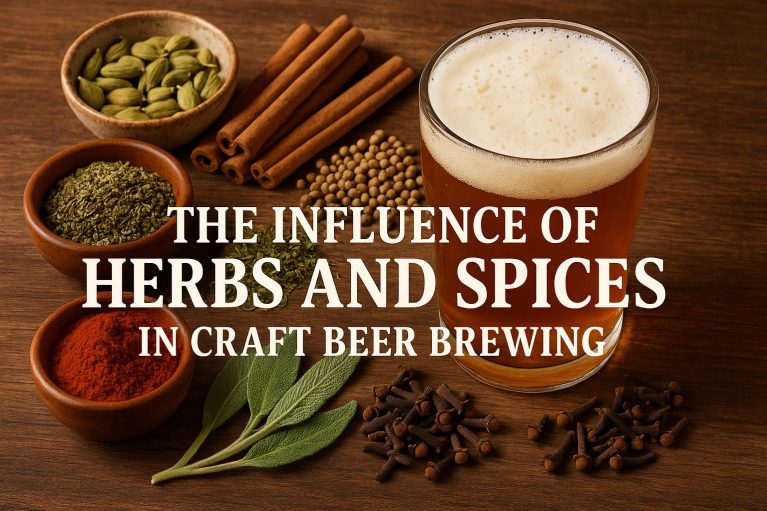
The Growing Trend of Herbs and Spices in Craft Beer
The craft beer industry has been increasingly creative and innovative, with brewers worldwide exploring new flavors and sensory experiences. A significant part of this exploration is the use of herbs and spices to impart unique characteristics to their brews. Historically, herbs and spices have been used in beer making long before hops became the standard, and their resurgence today is a nod to diverse traditions and flavors.
An Historical Perspective
Using herbs and spices in brewing can be traced back to ancient times. Before the common use of hops, various botanicals served multiple purposes in brewing, from flavor enhancement to preservation. Herbs such as yarrow, sage, and gruit (a mixture of herbs) were quintessential ingredients in medieval European beers. These botanicals were not merely additives but critical components that defined the identity of many traditional brews.
Ancient Egyptians and Mesopotamians also utilized various spices in their fermentation processes, suggesting the universal appeal of herbal additives. Local botanicals were easy to source and provided distinct local flavors. Every region had its herbal ale variations, each contributing different aromas and tastes, thereby creating a rich tapestry of historical brews that varies greatly from today’s hop-dominated beers.
The Modern Craft Beer Scene
In contemporary craft brewing, herbs and spices are gaining traction not only for their historical significance but also for their ability to create complex flavors and aromas. This trend is driven by craft brewers seeking to differentiate themselves in a crowded market. By leveraging these natural ingredients, they offer consumers new tasting experiences.
One of the compelling reasons for the use of these ingredients is the push towards artisanal and locally-sourced products. Craft brewers see this as a way to tap into both traditional recipes and the burgeoning market for sustainable and locally-focused brewing practices. Moreover, herbs and spices open an avenue for storytelling, giving each brew a narrative that often ties back to traditional brewing practices and cultural heritage.
Examples of Commonly Used Herbs and Spices
Several herbs and spices are frequently used in the modern craft brewing process. Coriander is a staple in Belgian-style witbiers, providing a citrusy, slightly spicy note. Ginger, known for its zesty kick, finds a place in various ale styles, especially those crafted for colder seasons. This spice not only adds a certain warmth but can also transform the mouthfeel of a brew.
Cinnamon, with its warm, sweet profile, is a popular choice in brews meant for the holiday season, often used in conjunction with nutmeg and cloves to create a festive aroma. Chili peppers are another interesting addition that provides heat, often used in experimental brews to create a sharp contrast against sweeter malt bases.
Innovations and Potential Benefits
Brewers are continuously experimenting with unusual ingredients, such as lavender, basil, and rosemary. Rosemary, known for its fragrant and slightly pungent aroma, can enhance both the olfactory and taste experience of a beer. These herbs do more than introduce new flavors; some have antimicrobial properties that can serve as natural preservatives, potentially leading to an extended shelf life for the beer.
Moreover, certain spices contain antioxidants, which resonate with the health-conscious consumer. The growing interest in holistic health solutions and food choices naturally extends to beverages, prompting brewers to highlight these potential health benefits. While this is by no means a replacement for hops, the versatility and functional components of herbs and spices provide craft brewers with a broader palette for innovation.
Another interesting aspect is the use of adaptogenic herbs, such as tulsi or ashwagandha. Although still niche, these are slowly finding a place in craft breweries looking to appeal to the experience-focused millennial and Gen Z markets. The integration of such elements into beer could become an avenue for merging traditional healing practices with modern culinary arts.
Challenges and Considerations
While the use of herbs and spices is exciting, brewers must consider several factors to ensure the successful integration of these ingredients. The dosage is crucial; too little, and the flavor is lost; too much, and it can overpower the beer. Achieving the right balance often requires meticulous trial and error.
Consistency is another challenge, as the potency of herbs and spices can vary depending on their source and season. This variability means microbreweries have to maintain close relationships with suppliers to ensure the quality of their products. Brewers often need to conduct small batch tests, adjusting volumes and combinations until the desired flavor profile is perfected.
Craft brewers must also navigate regulatory considerations. Depending on local laws, certain ingredients might not be permitted or may require specific labeling. Different regions have varying guidelines on permissible ingredients in alcoholic beverages, and it is essential for brewers to fully understand these regulations to avoid potential legal challenges. Compliance is key to ensuring that the experimental nature of these brews does not result in regulatory pushback.
Conclusion
Herbs and spices are reviving age-old brewing traditions while simultaneously pushing the boundaries of flavor in modern craft beer. Through careful selection and balance, they offer endless possibilities for creativity and consumer enjoyment. As consumers become more adventurous and discerning in their preferences, the demand for unique and flavorful craft beers is only expected to grow.
To explore more on this exciting trend and how it impacts the craft beer market, readers can refer to resources provided by organizations such as the Brewers Association. By staying informed and embracing innovation, brewers can continue to enrich the diverse tapestry of flavors within the craft beer industry.