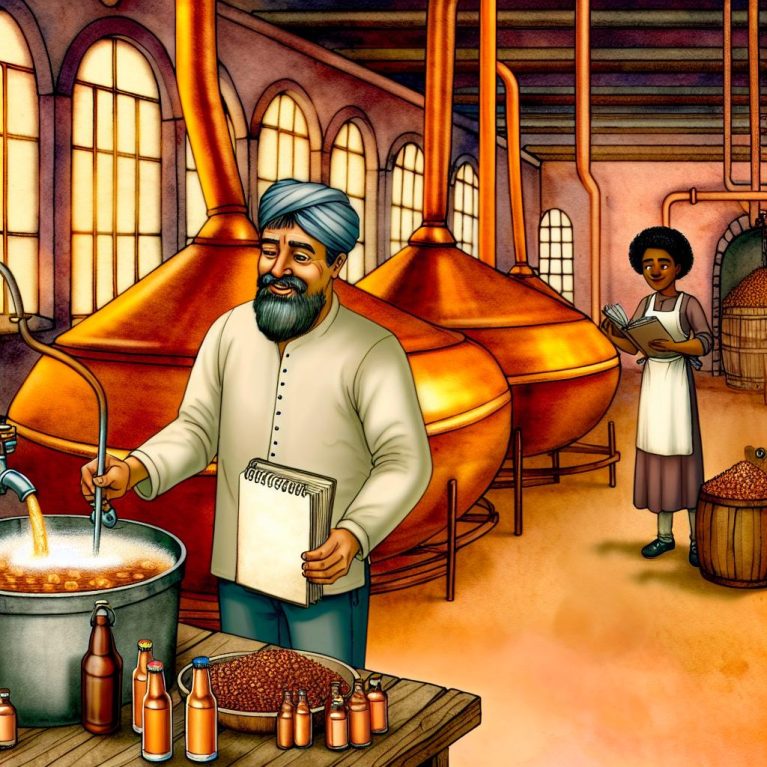
The Role of Craft Beer in the Farm-to-Table Movement

The Role of Craft Beer in the Farm-to-Table Movement
Standard

Introduction

The farm-to-table movement represents a significant shift in the way food is sourced, prepared, and consumed. This culinary trend places an emphasis on acquiring ingredients directly from local farms, aligning with goals to promote sustainability, support local economies, and ensure consumers access fresh, high-quality produce. An intriguing yet sometimes overlooked participant in this movement is the realm of craft beer. Craft beer production aligns seamlessly with the farm-to-table ethos due to its focus on small-batch, artisanal production methods, which are enriched by locally-sourced ingredients.

Craft Beer: A Natural Fit for Farm-to-Table

Craft beer has emerged as an unexpected but perfect partner to the farm-to-table movement. The small-scale and often local orientation of craft breweries naturally resonates with the principles of sourcing fresh ingredients from nearby farms. Breweries that concentrate on craft beer production commonly prioritize utilizing locally-derived components, such as barley, hops, and yeast. These practices not only bolster local agriculture but also elevate the quality and distinctiveness of the beer’s flavor, infusing it with the uniqueness of local agricultural produce.

The Emphasis on Local Ingredients

One primary way craft breweries integrate into the farm-to-table movement is through their strong focus on local ingredients. Craft breweries frequently cultivate unique partnerships with local farms, establishing a mutualistic relationship. For farmers, these partnerships offer a stable and oftentimes lucrative market for their produce. In return, breweries gain access to high-quality, fresh ingredients that can be transformed into distinctive brews. An exemplary instance of this collaboration can be seen in the use of locally-sourced honey or fruit, crafting seasonal brews and special-edition batches that not only capture the essence of local flavors but also foster a deeper connection between consumers and the regional landscape.

Sustainability in Craft Beer Production

Sustainability is an essential trait shared by both craft beer production and the farm-to-table movement. Many craft breweries have adopted a variety of sustainable practices to reduce their environmental footprint. One common method involves the repurposing of spent grain, a byproduct of the brewing process. Rather than allowing this protein-rich material to go to waste, breweries often donate it to local farms, where it can be used as livestock feed or as a component for fertilization. This practice not only minimizes waste but also contributes to a more circular and environmentally conscious production cycle. Additionally, by adhering to farm-to-table principles, craft breweries contribute to reduced transportation emissions, further enhancing the sustainability of their operations.

Community Engagement

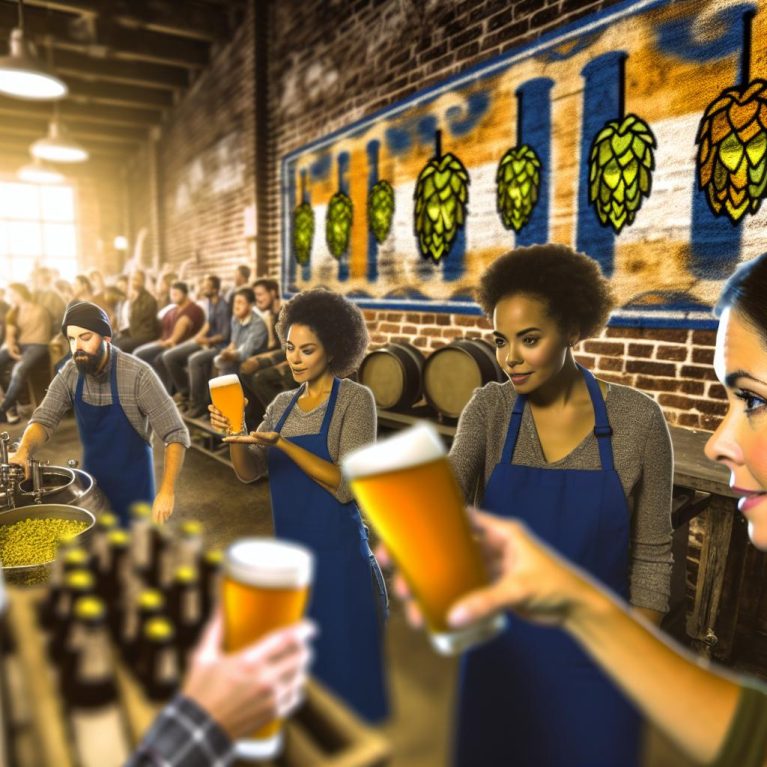
Engaging with the local community is another cornerstone of the craft beer industry’s connection to the farm-to-table movement. By participating in local events, sponsoring farmers markets, or hosting beer-tasting sessions that feature and celebrate local flavors, craft breweries become vibrant and integral parts of their communities. Such interactions promote not only the principles of farm-to-table but also provide educational opportunities for consumers. Through these activities, consumers are offered insights into the origins of their beverages, fostering a deeper appreciation for the process and the people behind their favorite craft beers. Furthermore, these engagements often lead to stronger community bonds and a shared sense of pride in supporting local businesses and sustainable practices.

Conclusion

The compatibility between craft beer and the farm-to-table movement underscores a broader cultural and consumer trend in favor of sustainable, community-centered consumption patterns. By prioritizing locally-sourced and sustainable practices, craft breweries fulfill a significant role in advancing the overarching objectives of the farm-to-table movement. These objectives include promoting environmental consciouses, supporting local economies, and offering high-quality products that reflect the character and resources of their regions. To gain further insights and explore how local breweries are contributing to this movement, one might consider visiting Brewers Association for valuable resources and information regarding ongoing contributions by craft breweries to sustainable development and cultural enrichment within their communities.

This synthesis of culinary artistry and ecological awareness reveals how diverse segments of the food and beverage industry can collaborate to drive positive change. As consumers become more aware and receptive to issues surrounding sustainability and local support, the partnership between craft beer and farm-to-table dining showcases a promising model for future growth. Both sectors highlight the potential for smaller, localized practices to yield large-scale benefits, encouraging a more mindful and thoughtful approach to consumption. Through sustained collaboration and innovation, craft breweries and farm-to-table proponents are paving the way for a sustainable and delicious future.

The Future of the Craft Beer Industry

The Future of the Craft Beer Industry
Standard

The Current Landscape of the Craft Beer Industry

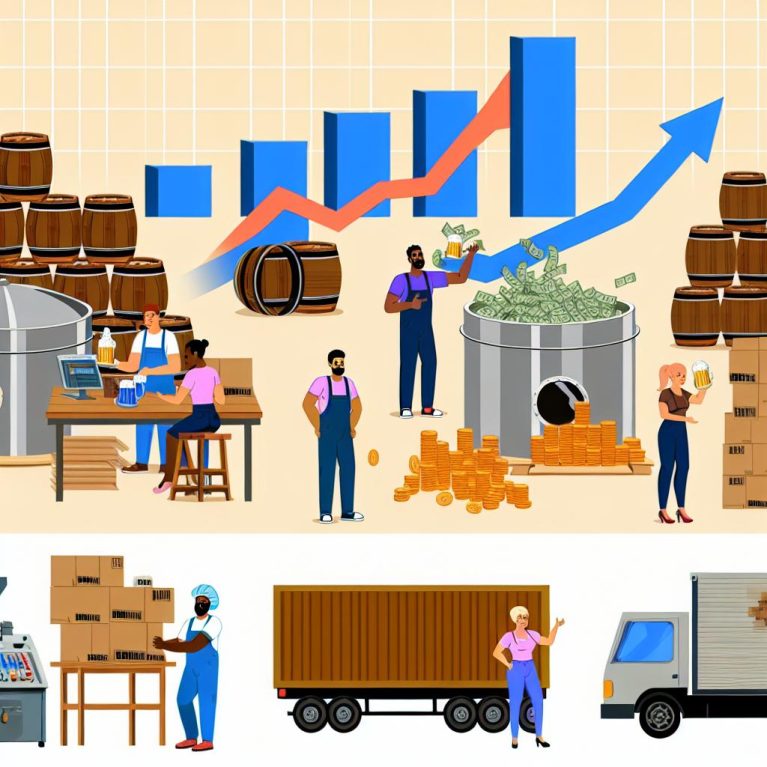
The craft beer industry has experienced remarkable expansion over the past two decades. This growth is evident in the increasing number of breweries and the rising consumer demand for a variety of beer flavors and styles. According to the Brewers Association, a craft brewery is defined as one that is small, independent, and traditional. Such a definition has been instrumental in guiding the industry, which has come to account for over 25% of the $116 billion U.S. beer market by volume in recent years. This significant share highlights how influential craft beer has become in the larger landscape of the beer industry.

Trends Shaping the Future

As the craft beer industry continues to develop and mature, several trends are emerging that are expected to significantly influence its future trajectory.

Innovation in Ingredients and Brewing Techniques

Craft brewers are consistently exploring new avenues in terms of ingredients and brewing methods to transcend traditional beer flavor profiles. The use of exotic fruits, spices, and even herbs is becoming more commonplace as crafters strive to create distinct flavor experiences. Beyond ingredients, advancements in brewing technology are providing brewers with more precise control over fermentation and brewing processes. This technological progress ensures high-quality products, as it facilitates consistency and creativity in brewing. The ability to experiment and innovate with both ingredients and techniques positions craft brewers to continually captivate and expand their audience.

Sustainability and Environmental Responsibility

The environmental footprint of beer production is a pressing concern for many in the industry. In response, numerous breweries are adopting sustainable practices that focus on reducing environmental impact. These efforts include implementing water conservation measures, utilizing renewable energy, and instituting recycling programs. Some companies are even employing carbon capture technology to mitigate emissions. Such initiatives are crucial not only for the environment but also resonate with eco-conscious consumers who appreciate businesses that prioritize sustainability. The movement towards environmental responsibility in the craft beer industry is likely to grow as more consumers and businesses place emphasis on sustainability.

Localism and Community Engagement

The trend of localism significantly influences consumer choices, with many individuals expressing a preference for supporting local businesses. Craft beer is highly intertwined with this localism trend, as numerous breweries engage in community-oriented initiatives. This engagement often involves sourcing local ingredients and hosting events that foster community interaction. By fostering strong community ties, breweries not only cultivate a loyal customer base but also emphasize the distinctive nature of their products. These efforts underline the unique identity of each brewery and its commitment to supporting the local economy and culture, highlighting the symbiotic relationship between craft breweries and their communities.

Digital Presence and Direct-to-Consumer Sales

The rise of digital technology has revolutionized how breweries engage with their audiences. With digital platforms, breweries can now reach a wider audience through online sales and robust marketing strategies. Direct-to-consumer sales models have gained traction, allowing customers to purchase beer directly from their favorite breweries without relying on intermediary distributors. The use of social media and e-commerce not only facilitates brand building but also enhances customer interaction, allowing breweries to establish a strong brand presence and maintain meaningful relationships with their customer base. As technology continues to evolve, the significance of a formidable digital presence will likely increase, offering breweries new opportunities for growth and engagement.

Challenges Facing the Industry

Despite the bright prospects for the craft beer industry, it faces several challenges that require attention and strategic handling.

Changing Consumer Preferences

Consumer preferences are shifting, with increasing demand for low-alcohol and healthier lifestyle options. This shift presents a potential challenge for beer consumption as people become more health-conscious. To address these changing preferences, many brewers may need to diversify their offerings by creating lower-calorie or non-alcoholic beer options. Adapting to these evolving demands ensures that breweries can retain existing customers while attracting new ones who might otherwise opt for other beverages that align more closely with their lifestyle choices.

Increased Competition

The craft beer industry is characterized by an intensely competitive landscape due to the sheer number of operating breweries. In this crowded market, differentiation becomes key for survival and success. Breweries must find ways to stand out, whether through unique branding, distinctive flavor profiles, exceptional quality, or a combination of these factors. Establishing a strong brand identity and a reputation for quality is crucial to maintaining a competitive edge. Furthermore, constant innovation and adaptation to consumer trends can help breweries maintain relevance and continue to thrive despite the competitive pressures they face.

Conclusion

The future of the craft beer industry is undoubtedly promising, driven by key trends in innovation, sustainability, and community engagement. However, the path forward will require adaptability to rapidly evolving consumer preferences and market conditions. Breweries that embrace these changes and meet the challenges head-on will continue to carve out their place in the industry. By fostering innovation and sustainability while engaging deeply with their communities, craft breweries are well-positioned to expand their influence both nationally and globally, ensuring their continued relevance and success in the dynamic economic landscape.

The Science of Carbonation in Craft Beer

The Science of Carbonation in Craft Beer
Standard

The Role of Carbonation in Craft Beer

Carbonation plays a significant role in shaping the sensory experience of craft beer. Its impact is not limited to just the mouthfeel but extends to influencing the perception of flavors and aromas. At the heart of carbonation is the scientific process involving the dissolution of carbon dioxide (CO2) into the beer, achievable through either natural or forced methods. A deeper comprehension of carbonation intricacies can enhance both the production and enjoyment of craft beer, making it a vital element worthy of exploration.

Understanding Carbonation

Carbonation is essentially the phenomenon where CO2 dissolves in a liquid, resulting in the formation of bubbles. In the context of beer, this carbonation process can occur naturally during fermentation or be artificially induced. The degree of carbonation primarily affects the texture and overall mouthfeel of the beer, with a spectrum ranging from the gentle effervescence of English ales to the lively spritz found in a Belgian tripel. This broad range signifies the diversity in beer sensations driven by different carbonation levels.

Natural Carbonation

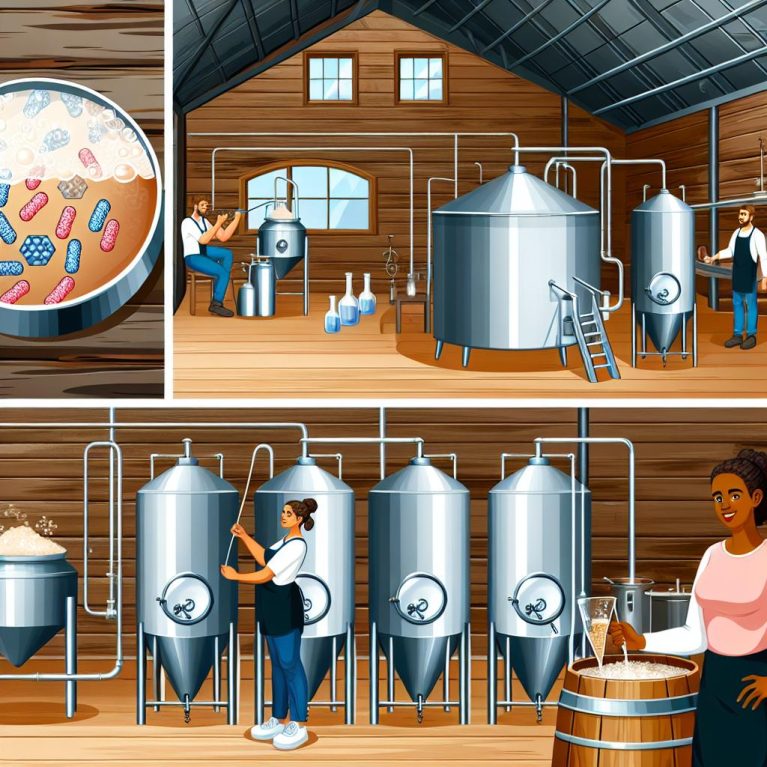
Natural carbonation occurs during the brewing process as yeast consumes sugars present in the wort. This consumption not only results in alcohol but produces CO2 as a natural byproduct. Many brewers favor a technique called bottle conditioning, a secondary fermentation process where additional sugars are introduced before bottling. This step further activates the yeast, which then produces more CO2 within the sealed environment of the bottle. The result is not only a naturally carbonated beer but potentially an enriched flavor profile, adding depth and complexity to the brew.

Forced Carbonation

Contrasting with natural carbonation, forced carbonation involves mechanically infusing CO2 into the beer, typically after the fermentation process is complete. This method allows brewers to control the level of carbonation with precision, ensuring consistency in each batch. This predictability makes forced carbonation a favored choice in commercial brewing due to its efficiency and the uniformity it offers across production runs.

Impact of Carbonation on Flavor and Aroma

The carbonation level undeniably influences the perceived intensity of both flavor and aroma within beer. Higher carbonation levels can accentuate the sensation of acidity and bitterness, contributing to a crisp and refreshing mouthfeel that can enhance lighter, tarter beer styles. Conversely, lower carbonation tends to result in a smoother texture, which might complement malt-forward beer styles that emphasize richer, more robust flavors.

Temperature and Carbonation

Temperature holds a critical role in the maintenance of carbonation levels. The solubility of CO2 increases at lower temperatures, meaning that colder beer retains higher levels of carbonation. This solubility aspect affects how beer is poured and tasted, emphasizing the need for appropriate serving temperatures aligned with each beer style. Serving a beer at its optimal temperature ensures that both its carbonation and flavor profiles are highlighted, offering the intended experience crafted by brewers.

Carbonation in Craft Beer Styles

Different styles of craft beer demand varying carbonation levels to achieve their distinctive profiles. For instance, a German Hefeweizen is known for its higher carbonation, which enhances its fruity and spicy characteristics. In contrast, an English ale often features lower carbonation levels, which serve to accentuate its malty nature. Understanding these nuances allows brewers to fine-tune carbonation levels in alignment with the intended sensory profile of their craft beer.

Craft beer enthusiasts and brewers keen on delving into the complexities and nuances of carbonation can access various resources and brewing communities that offer valuable insights. Online platforms, forums, and educational resources such as the Brewers Association provide a wealth of knowledge for both novice and seasoned brewers. Engaging with these communities offers opportunities to deepen one’s understanding of how carbonation can be manipulated to create specific beer experiences, ultimately leading to more informed brewing and consumption practices.

In summary, carbonation is more than just the bubbles in the beer; it is a core aspect that defines the texture, flavor, and overall drinking experience of craft beer. Whether achieved through natural fermentation processes or via the precision-driven approach of forced carbonation, understanding and mastering carbonation is crucial for anyone involved in the world of craft beer. As brewers continue to experiment and innovate, carbonated crafting remains an ever-evolving skill, inviting both creators and consumers to enjoy the multifaceted experience of craft beer.

The Influence of British Brewing Traditions on Craft Beer

The Influence of British Brewing Traditions on Craft Beer
Standard

The Historical Roots of British Brewing

The British brewing tradition has played a pivotal role in shaping the global beer industry, leaving a lasting legacy that permeates the contemporary landscape of craft beer. This rich history is characterized by innovation, adaptation, and a steadfast commitment to quality—a confluence of factors that has profoundly influenced the evolution of beer worldwide. Within this context, it is crucial to understand the essence of traditional British brewing, which has contributed significantly to the diversity and complexity of beer flavors that are celebrated today.

Traditional British Beer Styles

British brewing is renowned for distinctive beer styles that have become benchmarks for brewers around the globe. The most iconic of these include porter, stout, bitter, and pale ale, each boasting unique characteristics that define their identity. The development and refinement of these styles can largely be traced back to the Industrial Revolution when technological advancements in brewing facilitated more consistent and varied production.

The lore of the porter, for instance, is rooted in 18th-century London, where its robust, deep flavors gained popularity among the city’s hardworking porters. The stout, an evolution of the porter, is recognized for its even richer and more intense profiles, characterized by roasted malt flavors. Similarly, bitter introduces a balance of malt and hops, offering both refreshing and bold aspects. Pale ale, another staple of British brewing, is noted for its pleasant balance, influenced heavily by the quality of water in regions like Burton-upon-Trent—an element critical to achieving the desired hoppiness.

Influence on American Craft Beer

The late 20th century saw a burgeoning craft beer movement in America, heavily inspired by the British brewing tradition. The fledgling movement sought to emulate the quality and flavor profiles of British beers. Pioneering American brewers found inspiration in British brewing methods, adjusting them to create innovative styles that married tradition with local ingredients and experimentation. The English-style pale ale became a cornerstone of American craft brewing, often brewed with American hops to produce a more assertive aroma and bitterness.

This transatlantic influence also saw the adaptation of distinct British styles. For example, porters and stouts were reimagined with American twists, incorporating local flavors and additional hops. These adaptations underscored a shared commitment to quality and a celebration of regional diversity, creating a bridge between British and American brewing traditions.

British Techniques in Craft Brewing

Numerous British brewing techniques have been adopted and embraced by craft brewers worldwide. A notable method is the use of open fermentation vessels, which allows interaction between the fermenting beer and ambient air, contributing to unique flavor profiles. The exposure to different yeast and bacteria strains can yield complex aromas and taste permutations, a technique that speaks to the dynamic nature of fermentation as an art in itself.

Another quintessentially British practice is barrel-aging, particularly in oak casks, which adds depth and intricacy to the final product. Historically, wooden casks were prevalent in British brewing, with their natural properties influencing the flavor of the beer. This method integrates slight oxidation and wood infusion, enhancing the beer’s complexity and texture.

Additionally, the tradition of dry hopping—adding hops to the beer post-fermentation—originated from British practices aimed at augmenting aroma without excessive bitterness. This technique is cherished by modern craft brewers seeking novel ways to highlight hop characteristics, exemplifying how historical practices continue to find relevance in contemporary brewing.

Modern Implications

The influence of British brewing traditions remains palpable in today’s craft beer scene. Brewers worldwide often revisit historical recipes and methodologies, fueling both the revival of traditional styles and the creation of innovative hybrids. This exploration and adaptation of past practices have led to a dynamic cultural exchange, ensuring that British brewing remains a foundational pillar in the ever-expanding landscape of craft beer.

Contemporary craft brewers, inspired by British precedents, continue to push the boundaries of beer production. They delve into historical texts and engage with seasoned brewers to preserve and innovate simultaneously, ensuring that traditional wisdom complements modern ingenuity. As new markets emerge, the intergenerational dialogue established by British brewing traditions expands, offering endless possibilities for creative expression and enjoyment.

To delve deeper into the impact of historical brewing practices on today’s craft beer industry, readers can seek resources from brewing associations, academic inquiries, or expert interviews. Such explorations reveal the intricate heritage underlying the broad spectrum of flavors and techniques prevalent in modern brewing, perpetuating a legacy of innovation and quality that began with Britain’s brewing pioneers.

In summation, the British brewing legacy remains an indelible influence on craft brewing globally, sustaining a robust dialogue between tradition and innovation. As emerging brewers continue to draw from British styles and techniques, they contribute to a rich tapestry of flavors and experiences, ensuring that the essence of British brewing continues to inspire, educate, and delight beer enthusiasts around the world.

The Best Craft Beer and Cheese Pairings

The Best Craft Beer and Cheese Pairings
Standard

The Art of Craft Beer and Cheese Pairings

Pairing craft beer with cheese has surged in popularity among culinary enthusiasts eager to explore the harmonious diversity of flavors. Traditionally, wine has been the go-to match for cheese, but craft beer brings a surprisingly versatile array of profiles to the table. In this article, we delve into successful pairings that reveal the best of both worlds in a detailed manner, enhancing your gastronomic experience.

Understanding Key Flavor Profiles

Getting started with craft beer and cheese pairings necessitates an understanding of their respective flavor profiles. Beer varies significantly, ranging from hoppy and bitter to malty and sweet, while cheese can be tangy and sharp or creamy and mild. The challenge lies in finding a balance where these flavors either complement or enhance one another, bringing out their exquisite nuances.

The Chemistry of Flavors

Understanding the science behind how flavors interact is crucial for crafting successful pairings. Craft beer’s diverse profiles—encompassing bitterness, sweetness, acidity, and carbonation—can highlight or mellow the distinctive qualities of cheese. Cheese, in turn, offers complexities of texture and taste influenced by factors such as milk type, aging, and preparation method. The interaction between the two can be as much about texture as it is about flavor harmony.

Pale Ales and Cheddar

Pale ales, celebrated for their balanced combination of malt and hops, find an ideal companion in cheddar cheese, renowned for its rich sharpness. The slight bitterness from a pale ale artfully complements the aged intensity of cheddar. Seek an American or English pale ale for a thorough matching experience, where the maltiness and hop character provide an ideal counterpoint to cheddar’s boldness.

Stouts and Blue Cheese

The creamy texture and robust flavors of stouts, often characterized by notes of coffee and chocolate, create an excellent counterpart to the strong character of blue cheese. The inherent sweetness of a stout can mellow blue cheese’s pungency, resulting in a harmonious and balanced tasting experience. Consider indulging in combinations involving a dry or oatmeal stout to achieve this exquisite balance.

Wheat Beers and Brie

Wheat beers, with their light, often citrusy notes, offer a refreshing contrast to the creamy, mild characteristics of Brie cheese. The effervescence and subtle acidity of a wheat beer cut through Brie’s richness, providing a palate-cleansing closure. For the best results, opt for a Belgian-style Witbier or American Wheat, where the spice notes and citrus enhancements align perfectly with Brie’s delicate nuances.

IPAs and Aged Gouda

India Pale Ales (IPAs) are notable for their hoppy bitterness, making them a superb match for the nutty and caramel undertones found in aged Gouda. The stark yet complementary contrast in flavors creates a vivid explosion of taste on the palate. To heighten this experience, consider seeking out a West Coast IPA, which offers an intensified hop profile that beautifully highlights Gouda’s complex flavor layers.

Guidelines for Successful Pairing

When crafting your beer and cheese pairings, several guidelines can guide you toward a more refined and pleasurable tasting journey:

Contrast

Aiming for contrast in your pairings can often lead to pleasing combinations. Pairing items that are different in taste, such as a sharp cheese with a sweet beer, can create a balanced tasting menu where the flavors play off each other, not overpowering but complementing through opposites.

Complement

Alternatively, merging similar flavors can amplify the overall tasting experience. For example, pairing a sweet ale with a cheese that also carries sweet notes can result in a synergistic expression where the dominant taste profile is enriched through similarity.

Intensity

Understanding and matching the intensity of both the beer and the cheese is crucial to ensure that neither element overshadows the other. A strong cheese demands a beer with an equally robust profile to meet the challenges of a shared stage. Likewise, a lighter cheese benefits from a similarly delicate beer to avoid being overshadowed.

Conclusion

The marriage of craft beer and cheese represents a delightful journey into flavor exploration, enhancing both personal and collective culinary endeavors. By grasping flavor principles and marrying the right combinations, one can elevate the casual act of consuming cheese and beer into a more nuanced, gratifying, and sophisticated tasting experience. This is not only about enjoying new tastes but about discovering an interaction that brings whole new dimensions to familiar foods, transforming simple consumption into an art form that enlivens the senses and enriches the palate.

The Rise of Local Ingredients in Craft Beer Brewing

The Rise of Local Ingredients in Craft Beer Brewing
Standard

The Growing Trend of Local Ingredients in Craft Beer Brewing

Over the past decade, the craft beer industry has experienced a significant transformation, with breweries increasingly focusing on using local ingredients. This shift reflects broader trends in sustainability, community support, and unique flavor development.

Why Breweries Choose Local Ingredients

The drive toward local sourcing is primarily influenced by the desire to create beer that embodies a sense of place. By using local ingredients, brewers can craft unique flavors that reflect their geographical region. This provides an opportunity to craft a distinctive taste profile that sets their products apart from others using more generic or globally-sourced components.

Furthermore, sustainability plays a crucial role. Locally sourced ingredients often have a lower carbon footprint due to reduced transportation needs. When breweries choose to support local farmers and producers, they are also fostering closer communal ties and contributing to the strengthening of regional economies.

Local Ingredients Transforming Flavor Profiles

One of the major changes brought about by local sourcing in craft brewing is the diversification of flavor profiles. By utilizing locally grown hops, breweries can explore unique flavor combinations that might not be possible with conventional varieties. Additionally, local grains and even native fruits or herbs can lead to the development of innovative beer styles, brimming with characteristics and nuances that express the particular terroir of the region.

For instance, the use of locally sourced grains such as barley or wheat introduces brewers to subtleties in texture and taste that distinguish their beers. Local hop varieties, too, tend to carry flavors that are unique to the soil, climate, and cultivation methods particular to a region. Rarely found elsewhere, these ingredients can turn into the definitive highlights of a recipe. Additionally, local fruits and herbs bring originality and a fresh spin to traditional brewing. These contributions of local ingredients can result in beers that are not only seasonal but também an authentic representation of a brewery’s immediate environment.

Challenges in Using Local Ingredients

While beneficial, using local ingredients is not without challenges. One key issue is the availability and quality consistency of local products. Unlike commercially available ingredients, local sources might have seasonal variations that can affect both brewing schedules and output. Brewers need to develop strong relationships with local suppliers, focusing on collaboration and communication to align expectations. At times, adjustments to recipes might be necessary based on seasonal availability of ingredients. This adaptability can lead to innovation but also requires skilled craftsmanship to maintain the desired beer quality.

Moreover, local sourcing might involve higher costs, impacting the pricing of the final product. It’s no secret that the craft brewing industry operates on narrow margins; the additional cost of locally sourced ingredients poses another challenge. Brewers have to delicately balance these factors to maintain the sustainability of their business while upholding the quality and distinctiveness of their beers. Strategically, some breweries might pass on the increased costs to consumers, who are often willing to pay more for a product that supports local agriculture and offers a unique taste experience.

The Future of Craft Brewing and Local Ingredients

The trend of using local ingredients is expected to grow as consumer interest in sustainability and authenticity increases. This movement aligns seamlessly with the broader food and beverage industry trend that emphasizes traceability and the farm-to-table concept. Craft breweries, recognized for their innovation and community involvement, are undeniably well-positioned to lead the charge in this endeavor.

Looking ahead, brewers may explore deeper collaborations with local farmers, perhaps engaging in joint ventures that focus on developing new varieties of ingredients tailored specifically for brewing. Such partnerships could provide stability in ingredient supply and cost, while introducing new dimensions to the flavors that consumers experience in craft beers. For those interested in exploring this trend further, numerous resources and case studies are available from organizations and local brewery associations. These provide insights into successful partnerships between breweries and local producers. They offer valuable lessons for both new and established brewers looking to incorporate local ingredients into their processes.

Moreover, the emphasis on local ingredients could spur innovations beyond flavors, reaching into packaging and brewing processes. Sustainable practices like using recycled materials and eco-friendly brewing methods might become more prevalent as part of a broader commitment to environmental responsibility. This holistic sustainability approach could attract consumers who are increasingly aware of not just what they consume but how it is produced and its impact on the environment.

The future journey promises exciting developments as brewers continue to navigate the complexities and opportunities provided by local sourcing. As breweries fine-tune their practices to cultivate strong local ties, the synergy between craft beer and local agriculture might birth an era rich in creativity and resilience, laying a robust foundation for the craft beer industry for generations to come.

How Social Media Has Helped Craft Beer Grow

How Social Media Has Helped Craft Beer Grow
Standard

The Impact of Social Media on Craft Beer Growth

Social media has fundamentally reshaped how industries operate, and the craft beer industry is no exception. As an accessible platform for communication, discovery, and promotion, social media has contributed significantly to the growth of craft beer both in local markets and globally.

Increasing Brand Visibility

One of the most notable advantages of social media for craft breweries is the ability to increase brand visibility. Platforms such as Instagram, Facebook, and Twitter allow craft beer producers to reach a broader audience without the substantial costs associated with traditional marketing methods. Visual-centric platforms like Instagram are particularly effective due to the appeal of eye-catching beer labels and vibrant imagery of beer pours and brewery events. As users share and tag these images, they contribute to expanding the brewery’s digital footprint.

In addition to merely reaching a broader audience, social media allows for a more targeted approach to brand promotion. By utilizing hashtags, geotags, and comments, breweries can connect with specific communities that share a common interest in craft beer. This targeted engagement can lead to the development of a loyal following, which is crucial for sustaining growth in the competitive craft beer market.

Furthermore, social media analytics offer insights into consumer behavior, enabling breweries to refine their marketing strategies. By analyzing engagement metrics, such as likes, shares, and comments, breweries can better understand what content resonates with their audience and adjust their messaging accordingly. This data-driven approach ensures that marketing efforts are both efficient and effective, maximizing the return on investment in social media promotions.

Engaging with the Community

Social media also enables breweries to engage directly with their community. Through regular posts, stories, and live videos, breweries can maintain a dialogue with their audience, gathering feedback and nurturing consumer relationships. This two-way communication is crucial for understanding customer preferences and for making informed product development decisions.

The interactive nature of social media allows for real-time engagement, which can be leveraged to build a sense of community among craft beer enthusiasts. For instance, breweries can host live Q&A sessions, conduct online polls to gather feedback on new brews, and share behind-the-scenes content to provide a glimpse into their operations. These interactions not only humanize the brand but also foster a sense of belonging among followers.

Moreover, social media platforms serve as a valuable tool for customer service. Addressing queries, complaints, and feedback promptly through social media channels can significantly enhance customer satisfaction. This proactive approach to customer engagement helps in building a positive brand image, which can lead to increased customer loyalty and advocacy.

Facilitating Collaboration and Partnerships

Craft beer is known for collaboration, and social media facilitates connections between breweries across diverse geographic locations. Social platforms have enabled breweries to announce collaborations, engage in joint promotional efforts, and even host virtual brewing events. These partnerships not only create new products but also enhance brand recognition and credibility through mutual association.

Collaborative efforts often extend beyond just breweries to involve local businesses, artists, and even non-profits. Social media serves as a hub for these eclectic partnerships, enabling all parties involved to reach wider audiences by cross-promoting events and products. For example, a brewery may team up with a local artist to design a new beer label, promoting both the beer and the artist’s work through their respective social media channels.

Additionally, the formation of alliances with international breweries can lead to unique collaborations that introduce new flavors and styles to different markets. Social media platforms make it easier to coordinate these cross-border projects, as they provide a seamless channel for communication and coordination. Such collaborations not only diversify product offerings but also offer an opportunity to learn from different brewing traditions and techniques.

User-Generated Content and Authenticity

Craft beer enthusiasts are often eager to share their experiences, whether it is tasting a new beer or visiting a brewery. User-generated content provides authentic endorsements of products, offering breweries organic promotion. When customers share their positive experiences, it often leads to increased interest and sales.

The authenticity inherent in user-generated content is invaluable, as it fosters trust and credibility among prospective customers. Consumers tend to place higher trust in fellow consumers’ opinions rather than brand-generated content. By encouraging customers to share their experiences online and featuring those posts on their official pages, breweries can create a sense of community and mutual appreciation.

Furthermore, incentives such as photo contests or special mentions can encourage more user-generated content. Breweries often host contests where customers can submit their creative beer selfies under specific hashtags. Winners might receive brewery merchandise or limited-edition brews as prizes, thereby increasing engagement and expanding the brewery’s reach as more people participate.

Innovative Marketing Strategies

Social media platforms offer dynamic marketing tools such as targeted ads and interactive campaigns. Craft breweries can leverage these tools to reach specific demographics based on interest and behavior rather than relying solely on broad campaigns. In addition, features such as polls and surveys on platforms like Instagram Stories can provide valuable insights into consumer preferences in real-time.

Unique marketing strategies that rely on social media go beyond traditional advertisements. Many breweries are exploring storytelling as a powerful tool to create lasting impressions. By crafting compelling narratives around their products—such as the inspiration behind a new beer or the story of the brewery founder—they can emotionally engage their audience and create a deeper connection.

Furthermore, partnerships with influencers and bloggers in the craft beer space offer another dimension to marketing efforts. Collaborating with individuals who already have a dedicated following provides immediate access to new audiences, often resulting in quick and measurable visibility boosts. These influencers can create content featuring the brewery’s products, host giveaways, or even take over the brewery’s account for a day to offer an insider’s view.

Educational Opportunities

An informed consumer base appreciates transparency and education about the brewing process, and social media is an ideal avenue for imparting this knowledge. Breweries often use platforms to share educational content—ranging from brewing techniques to tasting notes—thereby positioning themselves as industry experts and fostering a deeper connection with their audience.

Sharing knowledge not only builds trust but also empowers consumers to appreciate the nuances of different craft beers. Breweries can publish informative videos, host virtual brewery tours, and write blogs on various topics related to beer and brewing. Educational content can also be shared through interactive formats, such as quizzes and infographics, which engage the audience while simultaneously expanding their understanding of craft beer.

Through educational initiatives, breweries can demystify the brewing process, providing detailed insights into everything from ingredient sourcing to fermentation. Such transparency not only distinguishes a brewery as a leader in innovation and expertise but also inspires consumers to experiment with new styles and flavors, encouraging more adventurous purchasing behaviors.

Case Studies of Success

Several craft breweries have successfully utilized social media to enhance their market presence. For example, Sierra Nevada maintains robust social media activity, showcasing new product releases and engaging with fans through interactive content. Such practices highlight how a strategic social media presence can result in substantial engagement and growth.

An important aspect of successful social media strategies is not just about increasing sales but also about building a genuine connection with the audience. Consistent engagement, thoughtful responses to customer queries and feedback, and the creation of a community space where enthusiasts can share their love for craft beer contribute to a loyal customer base. These breweries understand that their growth is not just about what they produce but also about how they interact with the market.

In conclusion, social media has become an indispensable tool for craft beer breweries seeking to expand their reach, engage with consumers, and drive sales. These platforms offer numerous ways to build community, collaborate, and create an authentic brand experience, directly contributing to the growth of the craft beer industry.

The Legal Challenges Facing Craft Breweries

The Legal Challenges Facing Craft Breweries
Standard

Introduction

The craft brewing industry has seen substantial growth over the last few decades, becoming an integral part of many local economies and cultures. Small, independent brewing operations offer unique and appealing alternatives to mass-produced beers, contributing to their widespread popularity. However, despite their success, craft breweries must navigate a complex array of legal challenges to operate effectively, challenges that can significantly impact their operations, growth potential, and overall sustainability. Understanding these challenges is essential for both new and established breweries that aim to thrive in this competitive market.

Licensing and Permits

One of the most significant legal obstacles a craft brewery faces is obtaining the necessary licenses and permits. The requirements for these can vary considerably from state to state and even differ on a local level. Generally, most breweries will first need to secure a federal brewing permit, which is issued by the Alcohol and Tobacco Tax and Trade Bureau (TTB). This federal permit is necessary to legally produce and sell beer in the United States.

In addition to this federal requirement, breweries must also acquire a state brewing license. Each state’s licensing processes and criteria can differ markedly, further complicating the process. This duality in licensing often results in a lengthy and multifaceted application process, necessitating an exhaustive attention to regulatory details, paperwork, and often lengthy waiting periods. Failing to navigate this process correctly can result in significant delays in getting a product to market or, in some cases, the inability to operate altogether.

Label Approval

Another crucial compliance area for craft breweries is the label approval process. Labels play a critical role in marketing and consumer recognition, but their design and information are strictly regulated. The TTB mandates specific guidelines that dictate what information must be present on beer labels. This includes essentials such as the brand name, class, and type of beer, net contents, and alcoholic content. These elements are crucial not only for consumer safety but also for maintaining transparency and consistency across the industry.

Moreover, any health-related statements on labels must conform to stringent federal regulations. To enter the market, craft breweries must submit their labels for approval via the TTB’s Certificate of Label Approval (COLA) system. The process of obtaining COLA can be time-consuming and detailed, requiring that breweries ensure all label details comply with TTB rules before their products reach store shelves.

Trademark Issues

A frequently encountered legal challenge in the craft beer industry is trademark disputes. With the vast and increasing number of breweries, ensuring that a brand name, logo, or beer name is unique becomes increasingly complicated. Craft breweries must take careful steps to avoid infringing on existing trademarks, which requires a diligent search and registration process.

Strategies for Avoiding Trademark Issues

Breweries can adopt proactive measures to reduce the likelihood of trademark conflicts and the associated repercussions, such as costly legal battles and rebranding efforts. Conducting exhaustive trademark searches and registering trademarks with the United States Patent and Trademark Office (USPTO) are critical steps. By securing registrations, breweries can establish their brand identity and protect against unauthorized use. Additionally, engaging with legal professionals who specialize in intellectual property can further fortify a brewery’s brand. These experts can offer valuable advice about potential infringements and help navigate complex trademark laws, enhancing the brewery’s operational security and market position.

Distribution Laws

The distribution of craft brewery products remains a challenging and often contentious aspect of the industry. State-level laws heavily regulate how breweries can distribute their products to consumers. Many states enforce a three-tier system that creates separate tiers for producers, distributors, and retailers. This system requires that many breweries partner with independent distributors to reach retailers, which can sometimes cut into a brewery’s profitability due to distributor fees and reduced control over their products’ retailing environments.

Yet, there are variations from state to state. Some states permit breweries to self-distribute up to a certain volume, affording smaller breweries more freedom and control over how their products reach the market. Understanding the nuances of these laws is paramount for breweries aiming to optimize their distribution strategies. This understanding not only necessitates knowledge of state statutes but also the careful negotiation and management of brewery agreements with distributors.

Environmental Regulations

Craft breweries are increasingly recognizing the importance of their environmental impact, particularly concerning waste management and water usage. Federal and state environmental regulations demand compliance to protect natural resources. Breweries may find themselves subject to regulations from the Environmental Protection Agency (EPA), especially regarding wastewater discharge, which can often contain high levels of organic materials and chemicals.

Ensuring compliance with environmental standards requires that breweries adopt sustainable practices tailored to their processes. By managing resource consumption and waste outputs responsibly, breweries not only comply with legal requirements but also enhance their reputation with environmentally conscious consumers.

Employment Laws

Craft breweries, often small businesses, must adhere to a variety of labor regulations to operate ethically and legally. This includes adhering to the provisions of the Fair Labor Standards Act, which governs minimum wage, overtime, and recordkeeping. Additionally, managing employee benefits and maintaining a safe workplace environment are critical components of a brewery’s employment practices.

Understanding and implementing these regulatory requirements is essential for avoiding costly labor disputes and litigation. Moreover, a well-managed employment process can contribute to a positive workplace culture, which is vital for the overall health and productivity of the brewery.

Conclusion

Navigating the multifaceted legal landscape can be challenging for craft breweries. However, a thorough understanding of the various regulations and the adoption of proactive strategies are instrumental in ensuring compliance and minimizing risk. By remaining informed and seeking expert legal guidance, craft breweries can mitigate potential legal issues, enabling them to focus on what they excel at – brewing exceptional beer. Through vigilance and strategic planning, these breweries can sustain their growth and continue to enrich the beer market, even amidst the complex regulatory frameworks they must operate within.

The Best Craft Beers for Cooking and Recipes

The Best Craft Beers for Cooking and Recipes
Standard

Introduction to Craft Beer in Cooking

Craft beer has increasingly found its place in the culinary world, not merely as a beverage but as a potent ingredient capable of transforming standard recipes into extraordinary dishes. This exploration of utilizing craft beer in cooking highlights its ability to impart distinct flavors, reflect diversity in culinary approaches, and enhance dishes traditionally known for more conventional flavor profiles. Both professional chefs and home culinarians have embraced this trend, integrating craft beer into a variety of culinary applications to bring a new dimension to the dining experience.

Benefits of Using Craft Beer in Recipes

Craft beer extends its utility beyond simple consumption, offering a wide array of advantages when used in cooking. Its multifaceted flavor profiles and physical properties bring moisture, depth, and complexity to dishes. In addition to introducing new taste combinations, beer can serve as an effective tenderizer in marinades, breaking down proteins to produce textures that are both unique and palatable. Whether it’s incorporated in stews, sauces, or even desserts, the malt-forward and sometimes hop-centric qualities of craft beers can elevate the overall gastronomic experience.

The versatility of craft beer as a cooking medium allows for numerous applications—from reducing to form a rich sauce to deglazing pans to create flavorful bases. For baked goods, beer acts as a leavening agent and imparts a subtle yeast character, enhancing the texture and taste of bread and pastries. In a culinary context, beer provides an incredible range of flavors, from sweet and malty to bitter and hoppy, each suitable for different culinary techniques and recipes.

Understanding Beer Types and Their Cooking Potential

The diversity of beer styles is paralleled by the range of flavors they can offer to dishes. Recognizing the unique characteristics typical to each type of beer is crucial for successfully integrating them into recipes. This knowledge allows cooks to align specific beer styles with culinary creations, ultimately improving the outcome.

Stout and Porter

Stouts and porters, distinguished by their dark tones and robust, roasted aromas, lend themselves exceptionally well to heartier fare. These beers often exhibit flavors reminiscent of chocolate, coffee, and even notes of caramel, making them particularly suitable for enriching meat-based recipes such as stews and braises. Their complexity contributes to the depth of flavor in slow-cooked dishes, enhancing elements that are both savory and slightly sweet.

Amber and Brown Ales

Amber and brown ales offer a blend of malt sweetness with a touch of hop bitterness, presenting a harmonious balance that suits an array of dishes. Their caramel and nutty undertones make them suitable for making sauces, soups, and chilis. These beer styles bring a warmth that complements robust, savory dishes, enhancing their flavor anonymously without dominating the palate.

IPAs (India Pale Ales)

India Pale Ales are defined by their pronounced hop character, which often exhibits citrusy, floral, and zesty notes. The higher acidity and sharpness make IPAs an excellent choice for pickling or as a marinade component, infusing dishes with a vibrant and refreshing edge. The assertive hop profile can brighten the flavors of a dish, making it an intriguing option for inventive cooking.

Wheat Beers

Lighter and typically featuring gentle hints of citrus and spice, wheat beers are perfect for enhancing more delicate dishes, such as seafood and salads. Their mildness complements lighter fare, adding a subtle complexity without overwhelming the primary ingredients. The crisp and clean finish of wheat beers can be particularly refreshing when paired with ingredients characterized by lightness and finesse.

Popular Craft Beers for Cooking

Choosing the correct craft beer is a critical consideration in crafting a successful dish. Understanding the distinctive features of popular craft beers can guide this decision and foster culinary creativity.

Guinness Stout

Renowned for its thick, creamy composition and profound dark color, Guinness Stout is a staple for dishes that benefit from robust flavors. Its complex profile enhances stews, meat pies, and other comfort foods by imparting deep, rich flavors that add to the dish’s overall character.

Sierra Nevada Pale Ale

With a well-calibrated bitterness and a hint of citrus, Sierra Nevada Pale Ale is a versatile choice for grilling recipes and marinades. Its balanced profile can enhance a variety of dishes, from meats to vegetables, providing a subtle depth and bright, fresh notes.

Blue Moon Belgian White

Characterized by its hints of orange peel and coriander, Blue Moon Belgian White is often chosen for seafood and poultry recipes. This wheat beer’s light, aromatic profile complements delicately flavored ingredients, leaving space for other elements to stand out, while still contributing a layer of unique flavor.

Incorporating Craft Beer into Recipes

Integrating craft beer into cooking can be a straightforward yet rewarding process. By substituting some or all of the liquid content in a recipe with beer, cooks can allow the beverage’s distinct flavors to merge with and embellish the dish’s other elements. Striking the right balance is crucial—aiming to mirror the core components of the dish without overwhelming them is an art. Ideally, the beer chosen should enhance the flavor profile, adding complexity and interest to the finished product.

Recipes Featuring Craft Beer

Experimentation with craft beer recipes can open doors to new and exciting flavor profiles. Here are a few suggestions that illustrate the versatility of cooking with beer:

Beer-Braised Short Ribs

Short ribs cooked slowly with a dark stout embody an incredibly rich and satisfying dish. The beer in this application acts as a tenderizer, breaking down tough fibers in the meat and adding a caramelized depth to the sauce, resulting in flavors that are both bold and comforting.

Beer-Battered Fish

Using wheat beer for a beer batter introduces a crisp, airy coating for fish. The beer’s carbonation lends levity and a crunchy texture to the batter, complemented by a gentle aroma that enhances rather than overwhelms the natural flavor of the fish.

Amber Ale Chili

Chili made with amber ale develops a nuanced depth of flavor, as the beer’s maltiness enriches the dish while balancing the spices’ heat. This marriage creates a savory sensation that’s hearty and satisfying, making it an ideal option for cooler weather or communal gatherings.

Conclusion

Incorporating craft beer into the culinary arts unveils a vast landscape of flavors waiting to be discovered. From hearty stews to whimsical desserts, the appropriate beer can transform a dish into a memorable culinary masterpiece. By exploring different craft beers and their applications, you can identify those that best align with your personal or professional culinary goals, ultimately expanding the palate and possibilities of your cooking.

How to Identify Off-Flavors in Craft Beer

How to Identify Off-Flavors in Craft Beer
Standard

Introduction to Off-Flavors in Craft Beer

Craft beer has gained popularity among both casual drinkers and dedicated enthusiasts for its vast spectrum of flavors and styles. While the best craft beers offer a harmonious blend of ingredients, sometimes unintended flavors creep into the brew. These off-flavors can detract from the overall experience. Recognizing and understanding these off-flavors is essential for homebrewers striving for perfection and connoisseurs aiming to refine their tasting skills.

Common Off-Flavors and Their Causes

A broad understanding of off-flavors begins with identifying the most prevalent ones in craft beer. These undesirable tastes often arise due to various factors, including brewing errors, unwanted chemical reactions, contamination, or problems with the brewing ingredients themselves. The proficiency in recognizing these flavors aids in diagnosing issues and refining the brewing process.

Diacetyl

Diacetyl is a compound notorious for imparting a noticeable buttery or butterscotch flavor. Its presence is generally unwanted unless in specific styles where it is a traditional flavor component. Diacetyl is produced during fermentation, primarily as a byproduct of yeast activity. To manage diacetyl levels, brewers often employ a “diacetyl rest,” a stage where the temperature is slightly elevated towards the end of fermentation, allowing yeast to naturally reduce its concentration. This step is crucial for ensuring a crisp, clean finish in many beer styles.

Acetaldehyde

Another common off-flavor is acetaldehyde, which gives the beer an aroma similar to green apples or freshly cut pumpkins. In most cases, its presence is a clear indication of incomplete fermentation. Acetaldehyde is a natural intermediate compound in the transformation of sugar to alcohol, and when yeast metabolism is arrested early or yeast cells are stressed, higher levels can persist in the beer. To mitigate this, brewers should ensure their fermentation processes allow ample time for yeast to complete the conversion of acetaldehyde to ethanol, focusing also on maintaining yeast health and activity through proper nutrition and conditioning.

Phenolic

Phenolic flavors in beers are often described using terms like clove, medicinal, or band-aid. These flavors, in general, result from the presence of certain phenolic compounds, which may be produced by wild yeast or specific strains of brewing yeast, such as those used for wheat beers. While phenolic flavors are desired in certain beer styles, they are considered off-flavors in many others. Achieving proper sanitation during the brewing process and using high-quality, style-appropriate yeast strains can significantly reduce the occurrence of unwanted phenolic flavors.

Oxidation

Oxidation is a condition that typically results in flavors akin to cardboard or stale beer, generally viewed as a sign of poor brewing or storage practices. This off-flavor occurs when the beer is exposed to oxygen either during the brewing or packaging process. The adverse effects of oxidation become more noticeable as the beer ages, leading to a dulling of its fresh, vibrant flavors. Brewers can avoid these issues by minimizing oxygen contact when transferring the beer from one vessel to another and during bottling or kegging.

Methods for Detecting Off-Flavors

For those serious about mastering craft beer, detecting off-flavors efficiently requires a combination of training sensory skills and understanding potential brewing faults. Two major methods are commonly utilized:

Sensory Analysis

Undertaking systematic sensory analysis sessions is an effective way to train the palate to recognize off-flavors. This involves structured tasting exercises where the focus is on identifying specific sensory attributes against the expected profile of a well-crafted beer. Over time, this practice enhances not only one’s recognition of off-flavors but also deepens the understanding of the beer’s overall flavor complexities, allowing tasters to pinpoint subtle inconsistencies or undesirable notes.

Utilize Off-Flavor Kits

Off-flavor kits are practical tools for both beginners and seasoned brewers to hone their ability to detect specific off-flavors. These kits typically include samples that simulate a particular off-flavor scenario by adding controlled amounts of specific compounds to base beer. Practicing with these kits allows brewers and enthusiasts to calibrate their sensory perception and address brewing errors effectively. It also helps build confidence in distinguishing nuanced flavor differences during sensory evaluation.

Conclusion

In conclusion, knowledge and detection of off-flavors are integral skills for anyone involved in the craft beer scene, whether brewing at home or evaluating commercial offerings. By familiarizing themselves with common off-flavors and implementing methods such as sensory analysis and utilizing off-flavor kits, individuals can significantly enhance both their tasting acumen and brewing prowess. For those invested in furthering their brewing competencies, diverse resources and educational platforms are available, promising a satisfying journey toward brewing excellence and greater appreciation of this storied craft.