
How to Start a Craft Beer Blog or Review Website

How to Start a Craft Beer Blog or Review Website
Standard

Introduction to Craft Beer Blogging

Starting a craft beer blog or a review website offers a unique blend of indulging in a passion for craft beer while providing valuable insights to an interested audience. As more beer enthusiasts seek information about craft brews, your platform can serve as a trusted guide. This guide outlines the essential steps to establish a strong and successful presence in the craft beer niche where your voice can resonate with aficionados and casual drinkers alike.

Choose Your Niche

Before diving into content creation, choosing a specific niche within the expansive craft beer world is fundamental. Specializing allows you to carve out a unique identity for your blog, helping it stand out in a crowded digital landscape. Popular niches include diving deep into local craft beer scenes, exploring various homebrewing techniques, offering beer pairing recommendations, or even documenting brewery tours. You need to identify what aspect of craft beer excites you the most and channel your focus there. A targeted approach can draw in dedicated followers who share your passion.

Set Up Your Website

The next step involves setting up a robust online platform where your beer musings can flourish. Choosing the right platform is crucial. Content Management Systems (CMS) such as WordPress are preferred for their user-friendly interface and extensive customization capabilities, which can help you tailor the site to your brand and audience. After selecting a platform, choose a memorable domain name that reflects your niche and brand identity. Invest in reliable hosting services to ensure that your website is fast, responsive, and capable of handling the increased traffic as your audience grows. A well-designed, easy-to-navigate site enhances user experience and encourages visitors to return.

Create Quality Content

At the heart of your blog is the content; it’s what keeps readers coming back for more. High-quality content should be engaging, informative, and valuable to your audience. It includes a variety of formats such as articles, detailed reviews, and multimedia elements like videos or podcasts. This diversity in content can cater to different preferences in your audience, broadening your reach. It’s important that each piece is meticulously fact-checked and offers new insights into the craft beer industry. Regular content updates with fresh perspectives help maintain your readership and improve your blog’s visibility in search engine results, keeping your blog relevant and authoritative.

Develop a Content Strategy

To ensure consistent reader engagement and satisfaction, developing a comprehensive content strategy is vital. An editorial calendar is a handy tool that helps you schedule posts and manage content flow effectively. You can plan posts around relevant events such as seasonal beer festivals, or current trends in the craft beer community. This strategy aids in synchronizing collaborations with other bloggers or influencers in the beer community, broadening your blog’s reach. Systematic content planning is conducive to maintaining a consistent posting rhythm, which is key to building and preserving a loyal audience.

Optimize for Search Engines

Search Engine Optimization (SEO) should not be overlooked, as it significantly enhances your blog’s visibility. Research relevant keywords that are associated with your niche to improve your search rankings. Incorporate these strategically within your content, meta descriptions, and image alt texts. Optimization goes beyond just keywords; ensure your website is mobile-friendly, secure, and provides quick loading times. These factors contribute to a better user experience, increasing the chance that visitors will return and share your content with others.

Engage Your Audience

Building a vibrant community around your blog is just as important as the content itself. Interaction with your readers fosters a sense of community and can transform casual readers into loyal followers. Encourage comments and feedback on your posts, and actively engage with your audience by promptly responding to their input. Utilize social media platforms to widen your reach by sharing your blog posts and creating engaging discussions. Interactive content, such as polls or live video sessions, can further enhance audience engagement, creating a dynamic online community centered around your craft beer blog.

Monetization Options

As your blog grows in audience and authority, monetization becomes a viable prospect. Being able to derive income from your blog can justify the time and resource investment. Potential monetization routes include affiliate marketing, sponsored content, or advertisements. When implementing these options, maintain the integrity and authenticity of your blog, ensuring all efforts are in line with your audience’s interests. It’s crucial that monetization methods do not negatively affect the readability or credibility of your content.

Continual Learning and Adaptation

The craft beer landscape is dynamic, with perpetual innovations and shifts. To stay relevant, it’s crucial to remain informed about these developments. Regular participation in industry events, engaging with fellow bloggers, and following reputable industry publications can provide you with the latest information. This continual learning process ensures that your blog remains an authoritative and trusted source of information in the ever-evolving craft beer industry.

For more detailed guides on setting up your blog or exploring other aspects mentioned, consider consulting resources like WordPress or staying updated with industry publications to remain abreast of the latest in craft beer trends.
The Best Craft Beers for Cold Weather Drinking

The Best Craft Beers for Cold Weather Drinking
Standard

Introduction to Craft Beers for Cold Weather

As the chill of winter sets in, beer enthusiasts often find themselves transitioning from light and refreshing summer ales to more robust and hearty brews. Craft beers, celebrated for their unique flavors and diverse styles, provide an expansive selection of options perfect for colder climates. This article delves into some of the finest craft beer styles ideal for enjoying during the winter months.

Characteristics of Cold Weather Beers

Central to the appeal of cold weather craft beers is their distinct characteristics, which differentiate them from beers typically favored in warmer months. These beers often have a higher alcohol content, reflecting their ability to provide warmth and comfort. Additionally, their fuller body contributes to a substantial mouthfeel, offering a satisfying beverage experience that stands up to the cold.

The flavor profiles of these beers are typically rich and complex. Key flavor notes may include spices, nuts, or even chocolate, creating a taste profile that is both comforting and invigorating. These robust flavors not only provide warmth but also enhance social gatherings, making each sip a conversation starter.

Popular Beer Styles for Cold Weather

Several beer styles become particularly popular as the temperature drops. These styles have been perfected to cater to the taste and comfort needs of winter enthusiasts.

Stouts and Porters

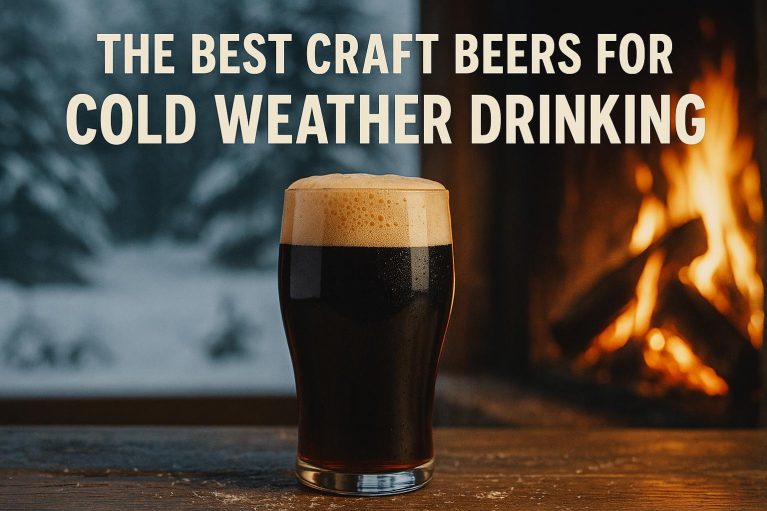
Synonymous with winter drinking, stouts and porters are iconic within the realm of cold weather beers. Characterized by their dark color and rich flavors, these beers often feature notes of coffee, chocolate, and caramel. Among these, the oatmeal stout and the imperial stout stand out for added depth and warmth. Breweries globally offer a range of stouts, from traditional styles to modern interpretations, providing a rich tapestry of flavors.

Winter Warmers

Winter warmers are seasonal ales brewed to capture the essence of the colder months. Typically, they possess a rich malt profile with subtle hints of spices like cinnamon, nutmeg, or ginger. These beers are designed for slow sipping, allowing the drinker to savor their comforting and festive taste over an extended period.

Barleywines

Known for their potency, barleywines are ideal for sipping during the winter. With alcohol contents often exceeding 10%, they deliver robust flavors of toffee, dark fruit, and caramel. These beers can be enjoyed both fresh and aged, offering flexibility in how their flavors mature over time.

Belgian Quads

Belgian quads are characterized by their deep color and complex blend of fruity, spicy, and sweet notes. Often compared to port wine, these beers boast a higher alcohol content and a balanced sweetness, making them a superb choice for festive gatherings or enjoying on a cozy winter night.

Spiced and Herbal Beers

During the winter months, spiced and herbal beers gain popularity due to their incorporation of seasonal ingredients like cloves, vanilla, or spruce tips. These beers offer a unique sensory experience for those looking to explore flavors outside the traditional beer spectrum.

Pairing Cold Weather Beers with Food

A significant aspect of enjoying cold weather craft beers is their ability to pair harmoniously with hearty foods. These pairings enhance the overall flavor experience of both the beer and the culinary creations.

Consider pairing cold weather beers with dishes such as stews, roasted meats, or strong cheeses. These foods mirror the bold flavors of the beers, creating a complementary taste profile that is both satisfying and enriching. The synergy between the flavors of the beer and the food elevates the overall dining experience, making each meal a memorable event.

Conclusion

The world of craft beer offers a diverse array of styles perfect for enjoying during the winter months. Whether your preference leans toward the richness of a stout, the intricate layers of a barleywine, or the festive spices of a winter warmer, there is a cold weather craft beer waiting to be explored.

For those looking to delve deeper into the myriad options available, resources dedicated to craft beer provide valuable insights. Exploring these can widen your appreciation of specific breweries and their offerings, opening the door to new tastes and experiences. For further information, feel free to explore CraftBeer.com.

The Evolution of Craft Beer Packaging: Bottles vs. Cans

The Evolution of Craft Beer Packaging: Bottles vs. Cans
Standard

The Evolution of Craft Beer Packaging: Bottles vs. Cans

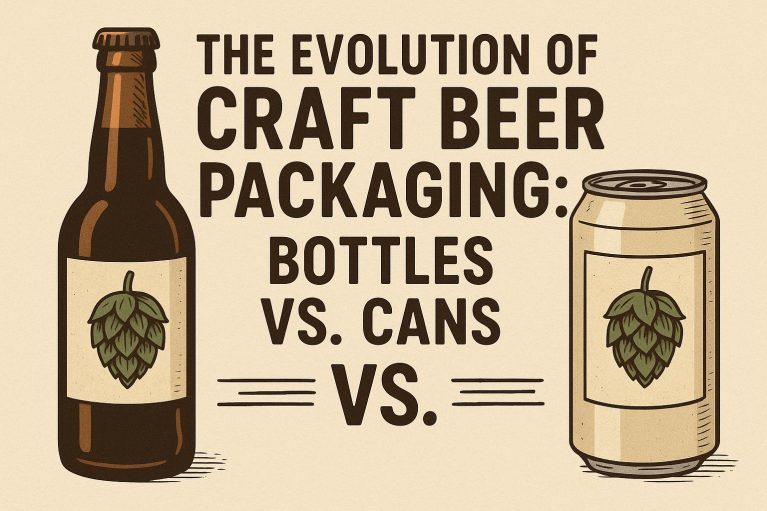
Over the years, the craft beer industry has witnessed significant evolution, especially in the packaging domain. When it comes to craft beer, the two primary packaging options have historically been bottles and cans. Each has its own advantages and occasional drawbacks that have influenced brewing and consumer trends.

The Historical Preference for Bottles

Bottles have long been the traditional choice for packaging beer. Glass bottles became synonymous with beer due to their ability to protect the beer from environmental factors that can degrade its quality. The dark color of most beer bottles helps shield the beverage from light, one of beer’s biggest adversaries, which can lead to the development of undesirable flavors.

Many craft brewers have historically preferred bottles for their association with quality and tradition. The resealable nature of bottle caps also appeals to those who enjoy the ability to savor a beer over an extended period, without losing carbonation too rapidly. This aspect of bottle packaging has not only impacted consumer practices but also influenced the way breweries perceive and promote their products.

In addition to offering protection and tradition, bottles provide a tactile experience that many beer enthusiasts appreciate. The feel of a cold glass bottle and the ritual of opening it contribute to the overall enjoyment of the beverage. Moreover, glass is a non-reactive material, ensuring that the beer maintains its intended flavors and quality without risk of contamination.

The Rise of Canned Craft Beer

In recent years, cans have gained ground in the craft beer scene. Technological advancements have improved can lining materials, ensuring that metal does not contribute any off-flavors to the beer. Cans offer a portable, durable, and efficient packaging solution, leading many breweries to embrace this option. The resurgence of cans can also be attributed to their versatility, as they are suited for various occasions, such as outdoor events and travel, where bottles might not be as convenient.

Moreover, cans offer complete light protection and maintain an airtight seal, thus preserving the freshness of the beer more efficiently than glass. Their lightweight nature reduces transportation costs and their stackability maximizes storage convenience, both crucial factors for distribution and retail considerations. Cans are also less likely to break than bottles, reducing potential losses from damaged goods during transport and handling.

Environmental Impact

Environmental concerns have also played a role in the preference for cans over bottles. Aluminum cans are often seen as more sustainable than glass, as they are lighter to transport and easier to recycle, with a higher recycling rate in many regions. This has made cans an attractive choice for environmentally conscious consumers and breweries aiming to minimize their ecological footprint. The energy required to produce and recycle cans is generally lower compared to glass, further enhancing their appeal as a sustainable option.

Moreover, advances in can production have reduced the amount of material needed per unit, amplifying the environmental benefits. These improvements have helped cans gain favor in an industry increasingly focused on sustainability and responsible resource management. Brewers are actively seeking ways to reduce waste and energy consumption, and cans provide a practical solution that aligns with these goals.

Consumer Perceptions and Preferences

The switch from bottles to cans has opened up new marketing and branding opportunities for breweries. Design plays a crucial role in consumer choice, and the larger surface area of cans offers breweries a canvas for eye-catching artwork and creative branding strategies. Despite this, some consumers remain loyal to bottles, associating them with a premium product experience. For many, the tactile and visual aspects of drinking from a glass bottle are important and reflect a connection to tradition and heritage.

However, the perception of cans as a lower-quality packaging option is gradually changing. Craft breweries have leveraged innovative designs and compelling narratives printed directly on cans to communicate quality and elevate the can’s image. This strategy has influenced the consumer’s perspective on cans, making them more accepted as a viable, high-quality packaging solution for craft beer enthusiasts.

The Future of Craft Beer Packaging

The ongoing battle between bottles and cans in the craft beer industry demonstrates the dynamic nature of consumer preferences and packaging technology. As sustainability and quality preservation continue to be top priorities for both brewers and consumers, the industry is likely to see continued evolution in packaging techniques. Innovations in materials and methods are expected to further close the gap between tradition and modern convenience.

Future advancements may include the development of even more efficient packaging materials, such as biodegradable or compostable alternatives, which could further reduce the environmental footprint of beer packaging. Additionally, the integration of smart technology in packaging could transform consumer interactions with products, offering new ways to experience craft beer.

Conclusion

In conclusion, the choice between bottles and cans encompasses a variety of factors, from practical considerations to consumer perceptions and environmental impact. While bottles provide a connection to tradition and a classic drinking experience, cans offer practical advantages in terms of sustainability, portability, and branding opportunities. Ultimately, the decision between bottles and cans will continue to reflect the evolving priorities and values of the craft beer community.

For those interested in more detailed information regarding the environmental benefits of cans, or the specific technological advancements in can lining, several resources are available online that delve deeper into these topics. This exploration of the merits of different packaging methods highlights the complex relationship between consumer preferences, technological innovation, and environmental considerations in the craft beer industry.

How to Judge a Craft Beer Like an Expert

How to Judge a Craft Beer Like an Expert
Standard

Understanding Craft Beer Basics

To judge craft beer like an expert, it’s essential to understand what defines this type of beer. Generally, craft beer is produced by small, independent breweries that prioritize quality, flavor, and traditional brewing methods. These beers often feature unique ingredients and creative flavors, reflecting the artisan nature of their production. This production approach contrasts with mass-produced beers, offering drinkers a range of distinct and sometimes adventurous flavors not commonly found in commercially popular brews.

Key Aspects of Craft Beer

When evaluating craft beer, several factors contribute to its overall profile, helping enthusiasts and newcomers alike appreciate its complexities and unique offerings. These aspects provide a framework for distinguishing between a variety of craft beer styles and understanding their distinctive features.

Aroma: The aroma is a crucial component in judging a craft beer. Swirl the beer gently and take a few moments to smell it. The aroma can often provide the first hint at what the tasting experience will be like, setting the stage for the flavors to come. Note any distinctive scents, such as floral, fruity, malty, or hoppy aromas, which can give clues about the ingredients and brewing techniques used. A hop-forward beer might have strong citrus or pine scents, while a malt-centric brew could offer bread-like or caramel notes.

Appearance: The visual assessment of a craft beer includes observing its color, clarity, and head (foam). The beer’s hue can range from pale gold to deep brown, depending upon its style, with colors telling much about the ingredients used. For instance, dark beers like stouts often have roasted malt, contributing to their deep color. Clarity is another important factor, where some styles, such as IPAs, might be intentionally hazy and others, like lagers, are typically clear. The presence and texture of the head can also indicate the beer’s carbonation level.

Taste and Mouthfeel

Flavor: The flavor is perhaps the most crucial aspect of any beer. Upon taking a sip, let the liquid linger in your mouth to fully appreciate its flavors. Pay attention to the initial taste and how it transitions into the subtle or bold flavors that follow. High-quality craft beers exhibit a balance of sweetness, bitterness, and acidity. This balance defines the beer’s taste profile, allowing the drinker to experience a range of sensations as the flavor unfolds. The choice of hops, malt, yeast, and any additional ingredients all contribute to creating a complex flavor profile that can make each sip a new experience.

Mouthfeel: Mouthfeel refers to the beer’s body and texture within the mouth. It can range from light to full-bodied, contributing significantly to the overall drinking experience. A beer’s mouthfeel is influenced by its carbonation level, which can be soft or effervescent. The thickness (or viscosity) of the beer can enhance its perceived richness or lightness, and mouthfeel is often an indicator of how satisfying the beer will be. Consider how these factors make you experience the beer as a whole, as they add depth to the flavors you perceive.

Evaluating Aftertaste and Overall Impression

Aftertaste: The aftertaste, also known as the finish, is the lingering flavor left on the palate after swallowing, and it is an important element in the evaluation of any craft beer. A well-crafted beer will often leave a pleasant aftertaste, which evolves over time and can vary significantly between sips. Some beers may leave a dry, crisp finish, while others may be sweeter or more bitter. The aftertaste should encourage another sip, acting as a finishing note to the complex symphony of flavors present in the beer.

Overall Impression: Finally, assess the beer holistically by considering all the aforementioned aspects. Does it achieve the expected characteristics of its style? Is it representative of what one would anticipate from a stout, IPA, or lager? Further, is it well-balanced and enjoyable to drink? Your overall impression should take into account the interaction of the aroma, appearance, flavor, mouthfeel, and aftertaste. It is this comprehensive analysis that allows a true appreciation for the craftsmanship that goes into each unique brew.

Further Exploration

To expand your knowledge of craft beer, engaging with the world of craft beer through various avenues is an enriching experience. Attending beer festivals offers an opportunity to sample a wide variety of brews, often directly from the brewers themselves, providing firsthand insight into different styles and craft processes. These festivals often host tasting sessions and workshops, enhancing your understanding of flavor profiles and brewing techniques.

Additionally, visiting local breweries can also provide valuable insights into the craft beer world. Many breweries offer tours that delve into their unique brewing processes, ingredients, and philosophy. Such visits offer a glimpse into the innovation driving today’s craft beer culture, allowing enthusiasts to connect directly with the crafters and learn about the nuances that define their latest creations.

For a more academic approach, investing time in reading specialized materials can offer a thorough grounding in the diverse and dynamic field of craft beer. Texts such as Craft Beer Authority can provide detailed overviews of brewing history, current trends, and detailed assessments of beer styles and techniques. By combining practical experiences at festivals and breweries with theoretical knowledge from well-regarded resources, it is possible to gain a comprehensive understanding of the ever-evolving realm of craft beer.

The Role of Beer Aging and Cellaring in Craft Beer

The Role of Beer Aging and Cellaring in Craft Beer
Standard

The Science of Beer Aging

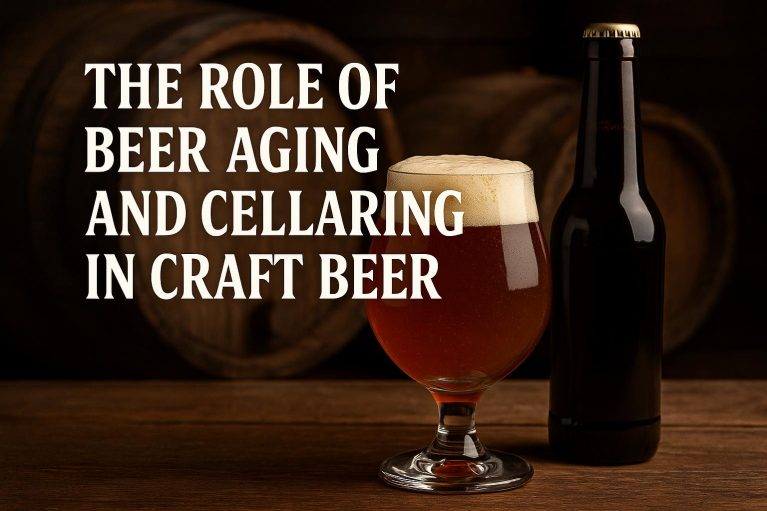
Beer aging, often termed as cellaring, is a fascinating process that captures the interest of beer aficionados and professionals alike. This involves storing beer under controlled conditions to enable its flavors and aromas to mature and develop uniquely over time. Much like wine, but with its particular nuances, the aging process of beer can either unfold delightful complexities or remain stagnant and, in some cases, even deteriorate its original quality. Notably, not every beer style responds positively to aging, making it crucial to understand which types benefit from this process.

Styles Suitable for Aging

Not every craft beer variety is cut out for aging. Some have an intricate balance of ingredients that may falter over time rather than improve. In essence, beers with a higher alcoholic content, typically above 8% Alcohol By Volume (ABV), along with deeper flavors and a more complex character, are generally suitable for this transformative process.

Certain styles are particularly known to benefit from cellaring. Beers such as strong ales, imperial stouts, barleywines, and Belgian Quadrupels are prime candidates for aging. The high alcohol and malt content inherent in these styles provide a robust structure, enabling the flavors to blend and morph over time into something uniquely captivating. These styles’ inherent properties serve as a solid foundation upon which time can indeed work its magic.

The Aging Process

The science of beer aging revolves around myriad chemical reactions that take place over time. Two primary processes at play are oxidation and the development of esters. Oxidation is a reaction that, in the right proportion, can be beneficial by imparting flavors reminiscing of sherry or port wine. This can add a luxurious layer of complexity to the beer which is often sought after by seasoned beer enthusiasts. However, over-oxidation can veer the flavor profile into unpleasant territories, making the delicate balance pivotal.

On the other hand, esters contribute fruity notes that were not part of the beer’s profile when fresh. These compounds can introduce intriguing nuances and complexities, further enhancing the sensory experience of an aged beer.

The art of beer aging is not only a product of these reactions, but is also significantly influenced by temperature and humidity. Ideal aging conditions are paramount—typically requiring a dark storage environment with a temperature hovering around 50-55 degrees Fahrenheit (10-13 degrees Celsius). Humidity levels should remain between 50 and 70 percent. Maintaining these conditions is critical to preventing undesirable chemical reactions that might undermine the beer’s quality.

Advantages and Challenges

Aging beer can offer numerous advantages, contributing to a richer and more complete flavor presentation. As beers age, the characteristics and flavors often meld into a harmonious balance, smoothing out harsh notes and allowing the complexities inherent in the beer to come forward. This can manifest in depth and richness of flavor that was perhaps initially overshadowed by dominant ingredients.

Yet, the practice is not without its challenges. The most notable issue is the unpredictability of the aging outcome. Aged beer’s success depends on a multitude of factors, such as the original brewing methods and the accuracy of the storage conditions. Often, the desired results may not come to fruition, leading to a beverage that has not improved or, worse, has diminished in quality. This makes beer aging a venture fraught with the possibility of uncertainty.

Conclusion

For those eager to dive into the art of beer aging, attention to detail begins with the selection of suitable styles and the precise maintenance of storage conditions. This pursuit demands a commitment to patience and the understanding that trial and error are intrinsic to the process. However, for the curious and the adventurous, the reward can be a beer that tells a richer, more mature story than when it was first bottled.

Individuals keen to expand their knowledge and delve deeper into the nuanced practices of beer aging can find a wealth of resources. Specialty craft beer websites and forums offer extensive insights and shared experiences from fellow beer enthusiasts who have navigated the world of beer aging. The journey into this scientific yet artisanal process is one that promises excitement and discovery at each turn, enriching both the palate and understanding of this beloved beverage.