The Current Landscape of the Craft Beer Industry
The craft beer industry has experienced remarkable expansion over the past two decades. This growth is evident in the increasing number of breweries and the rising consumer demand for a variety of beer flavors and styles. According to the Brewers Association, a craft brewery is defined as one that is small, independent, and traditional. Such a definition has been instrumental in guiding the industry, which has come to account for over 25% of the $116 billion U.S. beer market by volume in recent years. This significant share highlights how influential craft beer has become in the larger landscape of the beer industry.
Trends Shaping the Future
As the craft beer industry continues to develop and mature, several trends are emerging that are expected to significantly influence its future trajectory.
Innovation in Ingredients and Brewing Techniques
Craft brewers are consistently exploring new avenues in terms of ingredients and brewing methods to transcend traditional beer flavor profiles. The use of exotic fruits, spices, and even herbs is becoming more commonplace as crafters strive to create distinct flavor experiences. Beyond ingredients, advancements in brewing technology are providing brewers with more precise control over fermentation and brewing processes. This technological progress ensures high-quality products, as it facilitates consistency and creativity in brewing. The ability to experiment and innovate with both ingredients and techniques positions craft brewers to continually captivate and expand their audience.
Sustainability and Environmental Responsibility
The environmental footprint of beer production is a pressing concern for many in the industry. In response, numerous breweries are adopting sustainable practices that focus on reducing environmental impact. These efforts include implementing water conservation measures, utilizing renewable energy, and instituting recycling programs. Some companies are even employing carbon capture technology to mitigate emissions. Such initiatives are crucial not only for the environment but also resonate with eco-conscious consumers who appreciate businesses that prioritize sustainability. The movement towards environmental responsibility in the craft beer industry is likely to grow as more consumers and businesses place emphasis on sustainability.
Localism and Community Engagement
The trend of localism significantly influences consumer choices, with many individuals expressing a preference for supporting local businesses. Craft beer is highly intertwined with this localism trend, as numerous breweries engage in community-oriented initiatives. This engagement often involves sourcing local ingredients and hosting events that foster community interaction. By fostering strong community ties, breweries not only cultivate a loyal customer base but also emphasize the distinctive nature of their products. These efforts underline the unique identity of each brewery and its commitment to supporting the local economy and culture, highlighting the symbiotic relationship between craft breweries and their communities.
Digital Presence and Direct-to-Consumer Sales
The rise of digital technology has revolutionized how breweries engage with their audiences. With digital platforms, breweries can now reach a wider audience through online sales and robust marketing strategies. Direct-to-consumer sales models have gained traction, allowing customers to purchase beer directly from their favorite breweries without relying on intermediary distributors. The use of social media and e-commerce not only facilitates brand building but also enhances customer interaction, allowing breweries to establish a strong brand presence and maintain meaningful relationships with their customer base. As technology continues to evolve, the significance of a formidable digital presence will likely increase, offering breweries new opportunities for growth and engagement.
Challenges Facing the Industry
Despite the bright prospects for the craft beer industry, it faces several challenges that require attention and strategic handling.
Changing Consumer Preferences
Consumer preferences are shifting, with increasing demand for low-alcohol and healthier lifestyle options. This shift presents a potential challenge for beer consumption as people become more health-conscious. To address these changing preferences, many brewers may need to diversify their offerings by creating lower-calorie or non-alcoholic beer options. Adapting to these evolving demands ensures that breweries can retain existing customers while attracting new ones who might otherwise opt for other beverages that align more closely with their lifestyle choices.
Increased Competition
The craft beer industry is characterized by an intensely competitive landscape due to the sheer number of operating breweries. In this crowded market, differentiation becomes key for survival and success. Breweries must find ways to stand out, whether through unique branding, distinctive flavor profiles, exceptional quality, or a combination of these factors. Establishing a strong brand identity and a reputation for quality is crucial to maintaining a competitive edge. Furthermore, constant innovation and adaptation to consumer trends can help breweries maintain relevance and continue to thrive despite the competitive pressures they face.
Conclusion
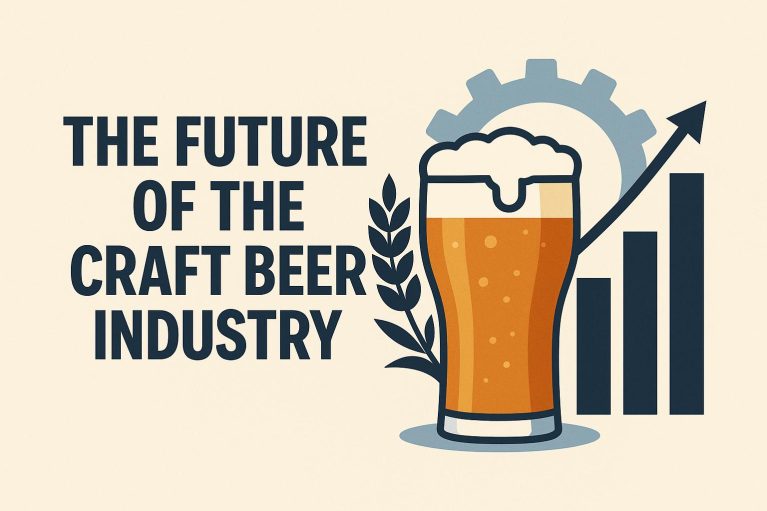
The future of the craft beer industry is undoubtedly promising, driven by key trends in innovation, sustainability, and community engagement. However, the path forward will require adaptability to rapidly evolving consumer preferences and market conditions. Breweries that embrace these changes and meet the challenges head-on will continue to carve out their place in the industry. By fostering innovation and sustainability while engaging deeply with their communities, craft breweries are well-positioned to expand their influence both nationally and globally, ensuring their continued relevance and success in the dynamic economic landscape.