
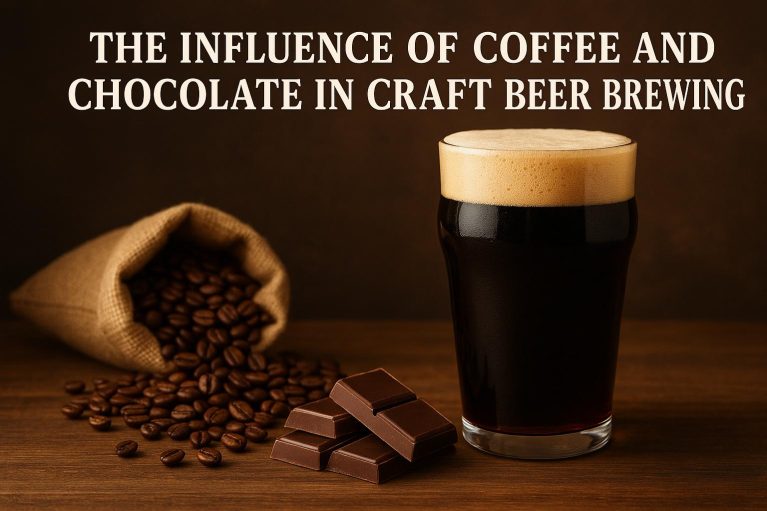
The Fusion of Coffee, Chocolate, and Craft Beer
Craft beer enthusiasts have long appreciated the distinct flavors and aromas that enhance their drinking experience. In recent years, two ingredients have become particularly popular in the craft beer scene: coffee and chocolate. These elements, with their rich flavors and aromatic properties, have expanded the range of possibilities in beer brewing. By introducing these two beloved flavors into craft beer, brewers create a captivating infusion that extends beyond traditional brewing methods.
The Role of Coffee in Beer Brewing
Coffee, with its bold and roasted notes, complements the rich and malty flavors of certain beer styles, particularly stouts and porters. The integration of coffee into the brewing process is an art unto itself, representing endless possibilities for flavor exploration.
Introducing coffee into the brewing process can occur at several stages, from adding coffee beans during fermentation to using cold brew coffee as an additive. Brewers need to be strategic when deciding how to incorporate coffee, as the timing and method of addition can significantly influence the beer’s final profile. This variance offers an extensive palate of tastes, from subtle hints to strong coffee prominence, allowing brewers to cater to a spectrum of preferences.
Factors to Consider
Brewers must consider the coffee’s origin and roast profile to achieve the desired flavor. Lighter roasts tend to impart fruity and acidic notes, while darker roasts contribute stronger, smokier flavors. This choice influences the interaction with the beer’s base ingredients. Additionally, sourcing beans from different regions can lend nuanced flavors derived from unique growing conditions and coffee processing methods. The interaction between the beer’s inherent characteristics and the coffee’s profile can create a complex tasting experience, challenging brewers to marry these elements expertly to produce a seamless blend.
Incorporating Chocolate into Craft Beers
Chocolate’s creamy and smooth texture enhances many craft beer recipes. Its inclusion is no less strategic than coffee, and brewers often carefully select from a variety of options to find just the right complement to their brews. It is often introduced in two main forms: cocoa nibs or chocolate malts. Each form of chocolate serves a distinct purpose; cocoa nibs provide a genuine chocolate flavor, while chocolate malts add a subtle hint of cocoa without overpowering the beer’s base ingredients. Cocoa nibs are often lauded for their pure chocolate essence, whereas chocolate malts are praised for their ability to gently meld with other flavors.
Impact on Flavor Profile
Chocolate-infused beers often exhibit flavors that range from subtly sweet to intensely rich, depending on the type and amount of chocolate used. The type of chocolate chosen not only determines the flavor strength but also influences the beer’s mouthfeel and overall body. This versatility allows brewers to cater to a wide range of taste preferences, ensuring each sip delivers a unique experience that might range from delighting the sweet tooth to satisfying those who prefer a more balanced, cocoa-driven brew.
Pairing Coffee and Chocolate in Beers
When coffee and chocolate are combined in a single brew, the result can be an exquisite fusion that appeals to both beer lovers and those fond of these two beloved flavors. This harmonious blending creates complexity, allowing the bitterness of coffee to contrast with the sweet undertones of chocolate. This combination often results in complex brews with layered taste experiences, harmoniously blending bitter, sweet, and roasted elements.
Combining these two powerful flavors involves more than simply mixing ingredients; it requires a deep understanding of how these elements interact with each other and with the base beer. The artistry lies in ensuring that the profiles complement rather than overpower each other, ultimately resulting in a balanced, cohesive product. One recommended way to savor these craft beers is by exploring pairing options with food that can complement or contrast the flavors within the beer. For instance, pairing with rich desserts can enhance the chocolate notes, while spicy dishes might highlight the coffee’s depth.
Challenges and Considerations
However, integrating these flavors poses challenges. Care must be taken to balance the robust intensity of coffee with the softer sweetness of chocolate to prevent either flavor from overwhelming the beer. The process requires precision, ensuring that neither element overshadows the other or becomes lost within the brew’s other components. Brewers often experiment with different ratios and brewing techniques to perfect this balance. This experimentation might involve trying various methods of extraction for both coffee and chocolate, adjusting bitterness levels, sweetness, and body until achieving the desired effect.
The inclusion of coffee and chocolate in craft beer not only enhances the flavor profile but also broadens the creative scope for brewers. By expanding these boundaries, they invite a new audience to appreciate the artistry of brewing and contribute to the growing trend of creative beers. As more consumers seek out these inventive beers, you’ll find they provide an ideal bridge between the worlds of brewing, coffee, and chocolate. For those interested in diving deeper, resources on brewing science and culinary arts can provide further insight into the process of combining these enticing ingredients. This merging of practices showcases the unique versatility and adaptability of craft beer and highlights its capacity as a canvas for flavor experimentation and innovation.