

The Rise of Gluten-Free Craft Beers

The Rise of Gluten-Free Craft Beers
Standard

The Growing Demand for Gluten-Free Craft Beers

The craft beer industry has seen significant shifts in consumer preferences over recent years, with one of the most notable trends being the rise of gluten-free options. This shift can be attributed to an increased awareness of gluten-related disorders and a desire among consumers for diverse and inclusive beverage choices. The ability to enjoy craft beer without the adverse effects of gluten has opened new avenues for both brewers and beer enthusiasts.

Understanding Gluten-Free Beer

Gluten-free beers are brewed without the use of wheat, barley, or rye — the primary sources of gluten in traditional beer-making. Instead, brewers utilize alternative ingredients such as sorghum, millet, rice, or buckwheat. These ingredients provide the fermentable sugars necessary for brewing while ensuring the final product is free from gluten. This approach not only accommodates those with gluten intolerances or sensitivities but also expands the palette of flavors and textures available to consumers, allowing for more creative and varied beer experiences.

The Brewing Process

Traditional brewing practices are adapted when crafting gluten-free beer. Ensuring that all equipment employed in the production is meticulously cleaned to prevent cross-contamination is crucial. Ingredients like sorghum and rice require special processing techniques to extract fermentable sugars, which differ from the traditional malt-based methods used in conventional brewing. Brewers face the challenge of substituting staple grains while maintaining the quality and consistency expected by consumers, which has spurred innovation within the industry.

Innovations in Flavor

Initially, gluten-free beers were criticized for lacking the depth of flavor found in traditional beers. However, advancements in brewing techniques and ingredient sourcing have led to significant improvements. Brewers have successfully experimented with a variety of non-traditional grains and adjuncts to enhance flavor and aroma, offering a range of gluten-free options from light lagers to robust stouts. This experimentation has not only resolved earlier criticisms but also introduced new flavors that may not be possible with conventional ingredients, providing a niche option that’s now a growing segment of the craft beer sector.

Health Considerations and Gluten Sensitivity

Gluten-related disorders such as celiac disease and non-celiac gluten sensitivity have driven the demand for gluten-free products. For individuals with these conditions, consuming gluten can lead to a range of symptoms, from digestive discomfort to more severe autoimmune reactions. As awareness has grown, so too has the market for gluten-free alternatives like craft beers, allowing affected individuals to enjoy social occasions without compromising their health. This understanding is crucial, as it frames gluten-free beer not just as a trend but as a necessary product for a segment of the population seeking dietary inclusivity.

The Market for Gluten-Free Craft Beer

The rise in gluten-free beer options has not gone unnoticed by the craft beer industry. Many breweries, ranging from small local operations to larger national brands, are recognizing the potential of this niche market. Craft beer festivals and tasting events often feature gluten-free options, highlighting the ongoing trend and encouraging consumer exploration. This visibility ensures people are aware of available options, fostering a community around the appreciation of gluten-free beverages and allowing brewers to showcase their innovations to an interested audience.

Moreover, the packaging and labeling of gluten-free beers have improved, making it easier for consumers to identify safe choices. The ability to enjoy a range of styles and flavors without gluten has undoubtedly contributed to the growth of this market segment. This expanded labeling could also encourage other food and drink sectors to reconsider how they cater to customers with specific dietary needs, ultimately creating more inclusive environments.

The Role of Legislation

In various regions, the production and labeling of gluten-free beers are governed by specific regulations. These guidelines dictate what can be marketed as gluten-free, ensuring consumer protection and standardization across the industry. Compliance with these regulations is crucial for brewers seeking to cater to those with gluten sensitivities. Adherence to these guidelines not only builds consumer trust but also guarantees that individuals are getting products that meet their health requirements—a key factor in the growing demand for gluten-free options.

Future Prospects

As consumer awareness of gluten sensitivities continues to grow, so will the demand for gluten-free products like craft beers. Brewers who innovate and adapt to this demand are likely to find new opportunities for market expansion. For beer enthusiasts, the future promises an even wider selection of high-quality gluten-free craft beers, each with unique flavors and styles to explore.

For more information on the development of gluten-free craft beers, several online resources and brewers provide detailed insights into the brewing processes and benefits of gluten-free options. You can find additional information from various brewing associations.

The path for gluten-free craft beer is not just a niche journey but one that mirrors the overall shift towards more conscientious consumer habits. As people become more informed about the effects of gluten and as the market for specialized dietary products expands, gluten-free offerings will likely become an even more stable and integral part of the craft beer landscape. It allows those previously restricted by dietary needs to further engage with the rich traditions and community-oriented culture that the craft beer world embodies.

In all, the intersection of health awareness, legislative support, consumer demand, and brewing innovation illustrates a comprehensive movement within the industry. It offers a glimpse into a beer world that is not only more inclusive and inventive but also one that continues to challenge traditional assumptions about brewing and consumer preferences. Through continued exploration and development, gluten-free craft beers are set to capture a significant and enduring segment of the marketplace.
The Difference Between Wild and Traditional Yeast Strains in Craft Beer

The Difference Between Wild and Traditional Yeast Strains in Craft Beer
Standard

The Role of Yeast in Beer Brewing

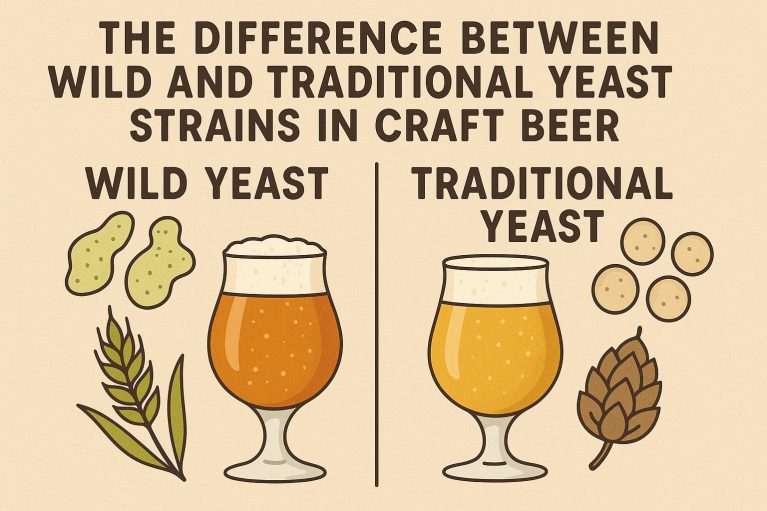
In the craft beer industry, yeast plays a pivotal role in fermentation, transforming sugars into alcohol and carbon dioxide. Beyond fermentation, yeast strains significantly affect the flavor, aroma, and character of the final product. Understanding the difference between wild and traditional yeast strains is crucial for any craft beer enthusiast or brewer.

Traditional Yeast Strains

Traditional yeast strains, often categorized under the species Saccharomyces cerevisiae, are commonly used in controlled brewing environments. These yeasts are selected for their consistency and reliability, crucial traits for producing beer with predictable flavors and stable quality. Such strains are cultivated and propagated under controlled conditions, allowing brewers to fine-tune their brewing processes to achieve desired flavor profiles.

Characteristics of Traditional Yeast

Traditional yeast strains are known for several defining characteristics that have made them a staple in breweries across the world. Firstly, predictability is one of their most valued attributes. When a brewer uses a traditional yeast strain, they can expect consistent results, essential for maintaining uniformity across different batches of beer. This predictability ensures that consumers receive the expected taste and quality in every sip.

Another crucial characteristic is flavor production. Traditional yeasts contribute to a well-balanced and clean beer profile, often characterized by subtle ester and phenolic production. These flavor compounds can impart hints of fruitiness or spice, rounding out the beer’s profile without overwhelming it. This balance is ideal for numerous beer styles where the malt and hop flavors should be prominent but not overshadowed by yeast-derived flavors.

Furthermore, traditional yeast strains are known for their speed and efficiency during fermentation. These strains typically ferment faster than their wild counterparts, reducing production time and increasing yield. This efficiency allows breweries to produce more beer in less time, optimizing their operations and maximizing their equipment’s utility.

Wild Yeast Strains

Contrasting traditional strains, wild yeast strains introduce an element of unpredictability in brewing. Wild yeast strains are often associated with spontaneous fermentation processes. These yeasts include both wild types of Saccharomyces and non-Saccharomyces varieties such as Brettanomyces. Used in the production of sour beers, lambics, and other innovative styles, wild yeasts thrive in open or mixed fermentations and contribute to complex flavor profiles.

Characteristics of Wild Yeast

Wild yeasts are characterized by the complexity they bring to the beer they ferment. Their fermentations can result in intricate flavors and aromas, often including fruity, funky, and sour notes. These distinctive profiles are beloved in specific beer styles, such as farmhouse ales, where complexity is a virtue.

However, with complexity comes unpredictability. The fermentative behavior of wild yeasts varies considerably, leading to unique and less reproducible brews. This unpredictability can be a double-edged sword for brewers. On one hand, it allows for the creation of unique and one-off beers that can be highly sought after by aficionados. On the other hand, it poses challenges in maintaining consistency, which is key in commercial brewing.

Lastly, wild yeast fermentations often involve extended fermentation times. Unlike traditional strains that complete fermentation in a matter of days or weeks, wild strains may require months or even years to fully mature. This extended duration allows for a gradual development of flavors, often resulting in deep, layered taste experiences that evolve over time.

Implications for Craft Brewing

The craft brewing industry is characterized by innovation and diversity, where experimentation with ingredients and processes results in a wide array of beer styles. The choice between wild and traditional yeasts is not a question of quality but rather of creative intent. Traditional yeast strains are ideal for standard beer styles requiring consistency, enabling brewers to meet expectations for popular styles like pale ales, lagers, and IPAs.

Conversely, wild yeasts offer a dynamic option for brewers looking to push the boundaries of flavor. They provide the foundation for more unconventional styles like sours, lambics, and farmhouse ales, where unpredictability and complexity are appreciated. Each approach has its place within the diverse landscape of craft beer, catering to different palates and brewing philosophies.

Understanding the nuances of these yeast types is crucial for any brewer or enthusiast wishing to explore the full potential of beer production. Traditional and wild yeast strains each bring distinct advantages, and the decision to use one over the other depends heavily on the specific goals of the brewing endeavor.

Conclusion

In conclusion, whether brewers opt for the reliability of traditional yeasts or the adventurous path of wild strains, the potential for crafting innovative beer experiences is vast. Each strain type contributes uniquely to the art and science of brewing, enhancing the ever-evolving tapestry of beer flavors available today. Brewers who master the use of both types of yeasts can enjoy a wide palate of options, crafting beers that can range from the crisp and straightforward to the multi-dimensional and surprising. The continued exploration of yeast’s role in brewing promises to further enrich the diversity and complexity of offerings in the craft beer scene, inviting beer lovers to continually discover and enjoy new flavors and styles.

The Role of Barrel-Aged Stouts in Craft Beer Culture

The Role of Barrel-Aged Stouts in Craft Beer Culture
Standard

The Emergence of Barrel-Aged Stouts in Craft Beer Culture

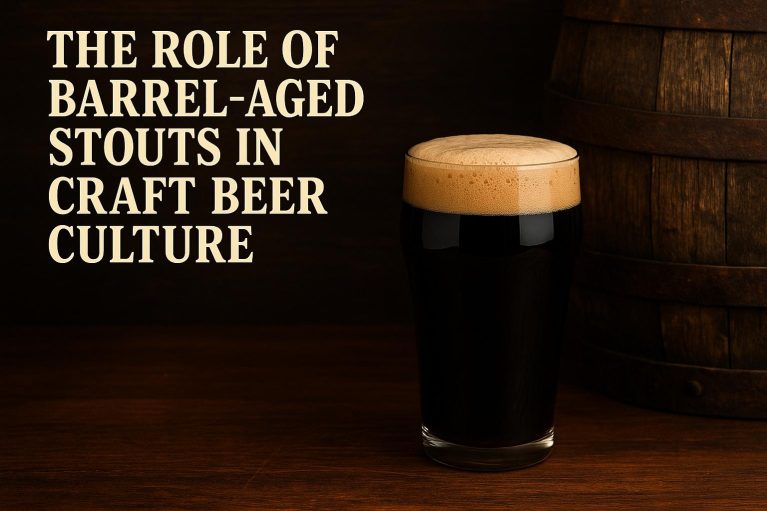
Barrel-aged stouts have increasingly become a cornerstone of the craft beer movement, drawing both enthusiasts and brewers with their intricate flavors and unique aging processes. These distinctive beers garner attention through their aging in barrels that previously contained spirits such as bourbon, whiskey, or rum. This method imparts distinct flavors that set them apart from non-barrel-aged stouts.

Understanding the Barrel-Aging Process

To begin appreciating barrel-aged stouts, one must understand the process that defines them. Typically, the procedure starts with selecting a stout, a beer known for its dark appearance and rich flavor profile. Stouts are inherently robust, offering a perfect canvas for further enhancement through barrel aging. The selection of barrels plays a crucial role, as brewers aim to choose those that enhance and complement the stout’s existing flavors.

Once the chosen stout is placed in barrels, it enters a phase of transformation that can range from several months to even a few years. Throughout this aging period, the beer absorbs flavors from both the remnants of the barrel’s former contents and the wood itself. Common tasting notes include vanilla, oak, caramel, and even smokiness. Each note contributes layers of complexity to the beer, enriching the original stout.

Impact on Flavor Profile and Complexity

The aging process bestows upon the stout a strikingly intricate flavor profile, which is a product of the interactions taking place within the barrel. These interactions prompt chemical reactions where the beer absorbs tannins and other flavorful compounds from the wood, as well as any residual spirits that linger in the barrel. The resulting concoction is a symphony of balanced sweetness, bitterness, and a warming alcoholic finish, all enhanced by the aging. This balance appeals particularly to individuals who appreciate the nuance and depth often found in craft beers.

The development of flavors within barrel-aged stouts is not static; rather, it is dynamic and continues to evolve even after bottling, much to the delight of those who treasure diverse and evolving taste experiences.

Contribution to Craft Beer Innovation

Barrel-aged stouts symbolize a fascinating blend of tradition and innovation in the craft beer industry. The traditional aspect is evident in the technique of aging, which harks back to historic brewing methods. However, modern brewers infuse innovation by experimenting with an array of barrel types and varying aging durations. Through these experiments, brewers craft limited-edition releases that generate anticipation and excitement among beer enthusiasts and collectors.

The innovation shown in barrel-aging practices enables breweries to distinguish themselves within the increasingly crowded craft beer market. It is a platform for showcasing their creativity and expertise, ultimately contributing to the growth and diversification of the craft beer industry itself.

The Collector’s Appeal

For many, barrel-aged stouts are considered collector’s items, appreciated as much for their scarcity as for their distinctive and evolving flavors. Limited availability of these unique beers enhances their appeal, making them highly coveted among serious collectors and beer aficionados alike. The flavor profiles of these stouts are not static but rather continue to evolve over time, similar to fine wines.

Some collectors purchase these stouts with the intention of cellaring them, allowing further development in flavor and character. This practice of cellaring requires both patience and an understanding that the beer will undergo significant transformations while stored, potentially revealing new depths of taste and complexity over the years.

The rise of barrel-aged stouts within craft beer culture underscores a growing appreciation for traditional techniques married with contemporary creativity. They continue to captivate those in search of bold and distinctive beer experiences by reflecting the dynamic nature of craft beer itself. For more insights into craft beer trends, feel free to visit Craft Beer, a resource that delves deeper into the fascinating world of craft brewing.

In conclusion, barrel-aged stouts stand as a testament to the innovative spirit that defines the craft beer industry. Through the combination of a robust stout base, the careful selection of aging barrels, and meticulous aging processes, brewers produce beers that are not only delicious and complex but also tell a story of transformation. As craft beer continues to grow and evolve, barrel-aged stouts will likely maintain their status as a cherished staple among enthusiasts and a symbol of the innovation and creativity that permeates the world of craft brewing.

The Impact of the COVID-19 Pandemic on Craft Breweries

The Impact of the COVID-19 Pandemic on Craft Breweries
Standard

The Early Challenges Faced by Craft Breweries

The onset of the COVID-19 pandemic marked a tumultuous period for craft breweries around the world. As the virus spread, government-imposed lockdowns and social distancing measures were implemented in an attempt to control the outbreak. These measures, although necessary for public health, had profound effects on various industries, and craft breweries were no exception. The closures of bars, restaurants, and taprooms, which were the primary distribution channels for many small breweries, wreaked havoc on their business operations. According to data from the Brewers Association, these restrictions resulted in an immediate and unprecedented drop in on-premise sales, severely affecting their revenues.

Supply Chain Disruptions

The pandemic’s impact extended beyond just the closure of physical distribution venues, as it also disrupted the supply chains that craft breweries heavily relied upon. The interconnected nature of global trade meant that disturbances in one region could have cascading effects worldwide. Breweries faced challenges sourcing essential ingredients, including hops and malt, which are crucial for beer production. Additionally, packaging materials such as bottles and cans became scarce, complicating the production process further. Various factors contributed to these supply chain disruptions, including labor shortages, transport restrictions, and delays in shipping, all of which compounded the difficulty in maintaining consistent production schedules and resulted in increased costs for breweries.

Adaptations in Business Models

Faced with these unprecedented challenges, craft breweries were compelled to find innovative solutions to sustain their operations. A noticeable shift in business models emerged as many breweries pivoted towards direct-to-consumer sales, which became a lifeline for survival. This transition saw breweries embracing online sales and offering home delivery options to continue reaching their customer base despite the ongoing restrictions. Collaborations with local delivery services also became a common strategy to enhance their distribution efficiency.

The necessity of adapting to digital platforms quickly became apparent. Virtual tastings and events emerged as alternatives to traditional in-person experiences, allowing breweries to maintain engagement with their customers. Breweries increasingly utilized social media to connect directly with consumers, promoting new releases and providing virtual tours of their facilities. This digital shift not only kept consumers engaged but also opened up new opportunities for reaching audiences beyond their immediate geographical areas.

The Role of Government Support

Recognizing the substantial economic impact of the pandemic, governments worldwide implemented various support measures aimed at aiding small businesses, including craft breweries. These initiatives played a crucial role in helping many breweries navigate financial challenges and sustain their operations. Programs such as paycheck protection and loan deferrals provided essential financial relief by enabling breweries to maintain payrolls and cover operating expenses during times of reduced income. In some regions, temporary regulatory changes also allowed breweries to offer takeaway beverages and extend their delivery zones, providing additional avenues for revenue.

Long-Term Implications

Even as the immediate effects of the pandemic begin to subside, its influence on the craft brewery industry is expected to have lasting implications. One notable change is the shift in consumer preferences, with many customers developing a preference for home delivery and takeout options during the pandemic. This shift has led breweries to adopt a multi-channel distribution approach, balancing between the traditional on-premise sales at bars and taprooms and the newer direct-to-consumer models that emerged during the pandemic.

Furthermore, the accelerated adoption of e-commerce platforms has become an integral part of the industry’s transformation. Breweries have recognized the importance of maintaining a robust online presence, which is now indispensable for marketing and sales strategies. This digital transformation has not only changed how breweries engage with customers but also influenced how they position and brand themselves in an increasingly competitive market.

Conclusion

In conclusion, the COVID-19 pandemic posed a multitude of challenges for craft breweries worldwide. The constraints of social distancing, the closure of key distribution channels, and significant supply chain disruptions tested the resilience and adaptability of these businesses. However, the ability to innovate and adapt quickly became instrumental in their survival, as evidenced by the swift embrace of new business models and digital platforms.

As the industry continues to evolve in the post-pandemic landscape, craft breweries are poised to remain a vital component of the broader food and beverage sector. They play an important role not only in local economies but also in shaping the cultural identity of the regions they inhabit. By learning from the challenges faced and changes implemented during the pandemic, craft breweries can continue to thrive and contribute uniquely to their communities. For more detailed insights and information on how craft breweries have adapted during these challenging times, consider visiting the Brewers Association’s official website.