
Introduction
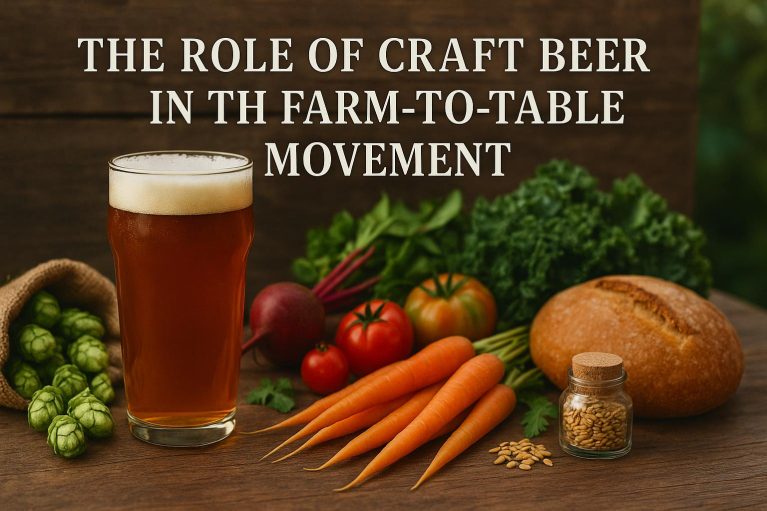
The farm-to-table movement represents a significant shift in the way food is sourced, prepared, and consumed. This culinary trend places an emphasis on acquiring ingredients directly from local farms, aligning with goals to promote sustainability, support local economies, and ensure consumers access fresh, high-quality produce. An intriguing yet sometimes overlooked participant in this movement is the realm of craft beer. Craft beer production aligns seamlessly with the farm-to-table ethos due to its focus on small-batch, artisanal production methods, which are enriched by locally-sourced ingredients.
Craft Beer: A Natural Fit for Farm-to-Table
Craft beer has emerged as an unexpected but perfect partner to the farm-to-table movement. The small-scale and often local orientation of craft breweries naturally resonates with the principles of sourcing fresh ingredients from nearby farms. Breweries that concentrate on craft beer production commonly prioritize utilizing locally-derived components, such as barley, hops, and yeast. These practices not only bolster local agriculture but also elevate the quality and distinctiveness of the beer’s flavor, infusing it with the uniqueness of local agricultural produce.
The Emphasis on Local Ingredients
One primary way craft breweries integrate into the farm-to-table movement is through their strong focus on local ingredients. Craft breweries frequently cultivate unique partnerships with local farms, establishing a mutualistic relationship. For farmers, these partnerships offer a stable and oftentimes lucrative market for their produce. In return, breweries gain access to high-quality, fresh ingredients that can be transformed into distinctive brews. An exemplary instance of this collaboration can be seen in the use of locally-sourced honey or fruit, crafting seasonal brews and special-edition batches that not only capture the essence of local flavors but also foster a deeper connection between consumers and the regional landscape.
Sustainability in Craft Beer Production
Sustainability is an essential trait shared by both craft beer production and the farm-to-table movement. Many craft breweries have adopted a variety of sustainable practices to reduce their environmental footprint. One common method involves the repurposing of spent grain, a byproduct of the brewing process. Rather than allowing this protein-rich material to go to waste, breweries often donate it to local farms, where it can be used as livestock feed or as a component for fertilization. This practice not only minimizes waste but also contributes to a more circular and environmentally conscious production cycle. Additionally, by adhering to farm-to-table principles, craft breweries contribute to reduced transportation emissions, further enhancing the sustainability of their operations.
Community Engagement
Engaging with the local community is another cornerstone of the craft beer industry’s connection to the farm-to-table movement. By participating in local events, sponsoring farmers markets, or hosting beer-tasting sessions that feature and celebrate local flavors, craft breweries become vibrant and integral parts of their communities. Such interactions promote not only the principles of farm-to-table but also provide educational opportunities for consumers. Through these activities, consumers are offered insights into the origins of their beverages, fostering a deeper appreciation for the process and the people behind their favorite craft beers. Furthermore, these engagements often lead to stronger community bonds and a shared sense of pride in supporting local businesses and sustainable practices.
Conclusion
The compatibility between craft beer and the farm-to-table movement underscores a broader cultural and consumer trend in favor of sustainable, community-centered consumption patterns. By prioritizing locally-sourced and sustainable practices, craft breweries fulfill a significant role in advancing the overarching objectives of the farm-to-table movement. These objectives include promoting environmental consciouses, supporting local economies, and offering high-quality products that reflect the character and resources of their regions. To gain further insights and explore how local breweries are contributing to this movement, one might consider visiting Brewers Association for valuable resources and information regarding ongoing contributions by craft breweries to sustainable development and cultural enrichment within their communities.
This synthesis of culinary artistry and ecological awareness reveals how diverse segments of the food and beverage industry can collaborate to drive positive change. As consumers become more aware and receptive to issues surrounding sustainability and local support, the partnership between craft beer and farm-to-table dining showcases a promising model for future growth. Both sectors highlight the potential for smaller, localized practices to yield large-scale benefits, encouraging a more mindful and thoughtful approach to consumption. Through sustained collaboration and innovation, craft breweries and farm-to-table proponents are paving the way for a sustainable and delicious future.