
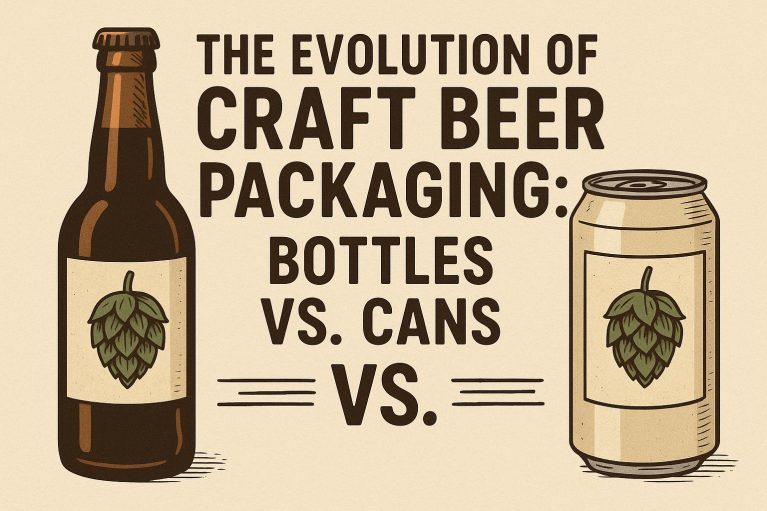
The Evolution of Craft Beer Packaging: Bottles vs. Cans
Over the years, the craft beer industry has witnessed significant evolution, especially in the packaging domain. When it comes to craft beer, the two primary packaging options have historically been bottles and cans. Each has its own advantages and occasional drawbacks that have influenced brewing and consumer trends.
The Historical Preference for Bottles
Bottles have long been the traditional choice for packaging beer. Glass bottles became synonymous with beer due to their ability to protect the beer from environmental factors that can degrade its quality. The dark color of most beer bottles helps shield the beverage from light, one of beer’s biggest adversaries, which can lead to the development of undesirable flavors.
Many craft brewers have historically preferred bottles for their association with quality and tradition. The resealable nature of bottle caps also appeals to those who enjoy the ability to savor a beer over an extended period, without losing carbonation too rapidly. This aspect of bottle packaging has not only impacted consumer practices but also influenced the way breweries perceive and promote their products.
In addition to offering protection and tradition, bottles provide a tactile experience that many beer enthusiasts appreciate. The feel of a cold glass bottle and the ritual of opening it contribute to the overall enjoyment of the beverage. Moreover, glass is a non-reactive material, ensuring that the beer maintains its intended flavors and quality without risk of contamination.
The Rise of Canned Craft Beer
In recent years, cans have gained ground in the craft beer scene. Technological advancements have improved can lining materials, ensuring that metal does not contribute any off-flavors to the beer. Cans offer a portable, durable, and efficient packaging solution, leading many breweries to embrace this option. The resurgence of cans can also be attributed to their versatility, as they are suited for various occasions, such as outdoor events and travel, where bottles might not be as convenient.
Moreover, cans offer complete light protection and maintain an airtight seal, thus preserving the freshness of the beer more efficiently than glass. Their lightweight nature reduces transportation costs and their stackability maximizes storage convenience, both crucial factors for distribution and retail considerations. Cans are also less likely to break than bottles, reducing potential losses from damaged goods during transport and handling.
Environmental Impact
Environmental concerns have also played a role in the preference for cans over bottles. Aluminum cans are often seen as more sustainable than glass, as they are lighter to transport and easier to recycle, with a higher recycling rate in many regions. This has made cans an attractive choice for environmentally conscious consumers and breweries aiming to minimize their ecological footprint. The energy required to produce and recycle cans is generally lower compared to glass, further enhancing their appeal as a sustainable option.
Moreover, advances in can production have reduced the amount of material needed per unit, amplifying the environmental benefits. These improvements have helped cans gain favor in an industry increasingly focused on sustainability and responsible resource management. Brewers are actively seeking ways to reduce waste and energy consumption, and cans provide a practical solution that aligns with these goals.
Consumer Perceptions and Preferences
The switch from bottles to cans has opened up new marketing and branding opportunities for breweries. Design plays a crucial role in consumer choice, and the larger surface area of cans offers breweries a canvas for eye-catching artwork and creative branding strategies. Despite this, some consumers remain loyal to bottles, associating them with a premium product experience. For many, the tactile and visual aspects of drinking from a glass bottle are important and reflect a connection to tradition and heritage.
However, the perception of cans as a lower-quality packaging option is gradually changing. Craft breweries have leveraged innovative designs and compelling narratives printed directly on cans to communicate quality and elevate the can’s image. This strategy has influenced the consumer’s perspective on cans, making them more accepted as a viable, high-quality packaging solution for craft beer enthusiasts.
The Future of Craft Beer Packaging
The ongoing battle between bottles and cans in the craft beer industry demonstrates the dynamic nature of consumer preferences and packaging technology. As sustainability and quality preservation continue to be top priorities for both brewers and consumers, the industry is likely to see continued evolution in packaging techniques. Innovations in materials and methods are expected to further close the gap between tradition and modern convenience.
Future advancements may include the development of even more efficient packaging materials, such as biodegradable or compostable alternatives, which could further reduce the environmental footprint of beer packaging. Additionally, the integration of smart technology in packaging could transform consumer interactions with products, offering new ways to experience craft beer.
Conclusion
In conclusion, the choice between bottles and cans encompasses a variety of factors, from practical considerations to consumer perceptions and environmental impact. While bottles provide a connection to tradition and a classic drinking experience, cans offer practical advantages in terms of sustainability, portability, and branding opportunities. Ultimately, the decision between bottles and cans will continue to reflect the evolving priorities and values of the craft beer community.
For those interested in more detailed information regarding the environmental benefits of cans, or the specific technological advancements in can lining, several resources are available online that delve deeper into these topics. This exploration of the merits of different packaging methods highlights the complex relationship between consumer preferences, technological innovation, and environmental considerations in the craft beer industry.