
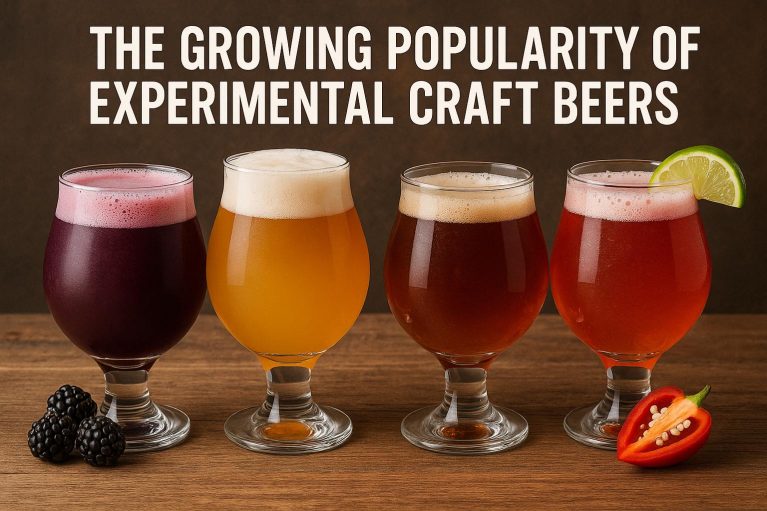
The Rise of Experimental Craft Beers
In recent years, the craft beer industry has witnessed a significant shift towards experimentation. This evolving trend reflects both the creativity of brewers and the adventurous palates of consumers. By embracing an array of unique ingredients and brewing methods, many breweries are pioneering a new era of beer.
Innovative Ingredients
The foundation of experimental craft beers often lies in the innovative ingredients that brewers choose to incorporate into their creations. Traditional beer recipes typically feature a standard set of ingredients—hops, barley, and yeast. However, as brewers seek to diversify the flavors available to consumers, they are increasingly turning to more unconventional components. This has opened up a world of possibilities, allowing for the creation of beers that are truly distinctive.
One of the key ingredients turning up in experimental brews is fruit. The inclusion of exotic fruits like passion fruit, guava, and dragon fruit introduces vibrant flavors that infuse the beer with a fresh, new character. Other fruits such as berries, citrus, and apple may also be used, each contributing their own nuances to the overall flavor profile. Similarly, some brewers are experimenting with vegetables—think about the earthy tones that pumpkins or beetroots can bring to a stout or lager.
Beyond fruits and vegetables, there is also a growing trend to incorporate spices and herbs into craft beers. Components like coriander and cardamom can add intriguing layers of spice and aroma, while herbs such as basil, mint, or even rosemary can provide subtle, refreshing notes. By utilizing these non-traditional ingredients, breweries can offer consumers a diverse range of flavors that continually intrigue and captivate the senses, distinguishing their experimental craft beers from more conventional counterparts.
Barrel-Aging Techniques
Among the many innovative approaches breweries are exploring, barrel aging stands out as a particularly effective method for imparting unique flavors and complexity to beer. The process of barrel aging involves maturing the beer in wooden barrels which were previously used for aging spirits like bourbon, whiskey, or wine. This approach can significantly alter and enhance the beer’s taste profile.
The interaction between beer and the barrel’s wood allows the beer to absorb compounds that provide hints of vanilla, oak, and caramel, among others. Moreover, the beer may glean flavors from any remnants left behind by the spirit previously aged in the barrel. The integration of these rich and robust flavor notes transforms the beer, offering drinkers a lush, memorable experience that can only be achieved through this aging process.
Barrel-aged beers frequently enjoy their place as limited edition offerings from breweries. This not only adds an element of exclusivity but also makes them highly sought after by beer enthusiasts eager to explore the depth of flavors these beers offer. As the craft beer market continues to evolve, barrel aging remains a popular technique for producing experimental beers, with brewers continually pushing the boundaries of flavor by seeking out new barrel-aging combinations.
Collaboration Among Brewers
Another significant trend within the experimental craft beer movement is collaboration among brewers. This practice involves multiple breweries working together to combine their unique skills, techniques, and creative ideas. These collaborations lead to the development of innovative beers that highlight the strengths and specialties of each involved brewer.
Joint brewing ventures not only benefit the breweries involved but also add an exciting dimension to the craft beer market. They create opportunities for the exchange of knowledge and the emergence of new brewing techniques, fresh ideas, and bold flavors—all of which contribute to the production of unique, limited-run beers that captivate the consumer market.
Partnerships are not restricted solely to within the brewing industry. In fact, many breweries are extending their collaborative efforts into other industries to create truly remarkable beers. Collaborations with local coffee roasters, chocolatiers, or cheesemakers can result in products that blur the boundaries between different types of culinary art, offering consumers a broader and more intricate flavor spectrum.
Additionally, these collaborations foster a sense of community within the brewing world, encouraging innovation through shared experiences and experimentation. They serve as a reminder that the craft beer industry is continuously evolving, poised on the cutting edge of flavor discovery and creativity.
Consumer Demand and Market Growth
Driving the rise of experimental craft beers is the growing appetite among consumers for diverse and unique drinking experiences. Today’s beer enthusiasts are more adventurous than ever before, constantly seeking out new flavors and combinations. Experimental craft beers precisely cater to these discerning tastes, satisfying the consumer’s desire for variance and exploration.
As a result, the market for craft beers has expanded significantly. According to recent industry reports, there has been consistent growth within the sector, highlighting the increased importance of innovation in meeting consumer expectations. Breweries are responding to this demand by continuously pushing their boundaries to craft beers that deliver unexpected and exciting flavors.
The trend towards experimental craft beers shows no sign of abating, suggesting that both brewers and consumers remain enthusiastic and open to exploring what possibilities lie within the craft beer landscape. This dedication to innovation is a testament to the creativity inherent in the industry, as well as a reflection of the adventurous spirit that defines today’s beer enthusiasts.
The dynamic field of experimental craft beers continues to captivate both brewers and consumers, cementing its role as a vital and ever-evolving part of the wider craft beer narrative.